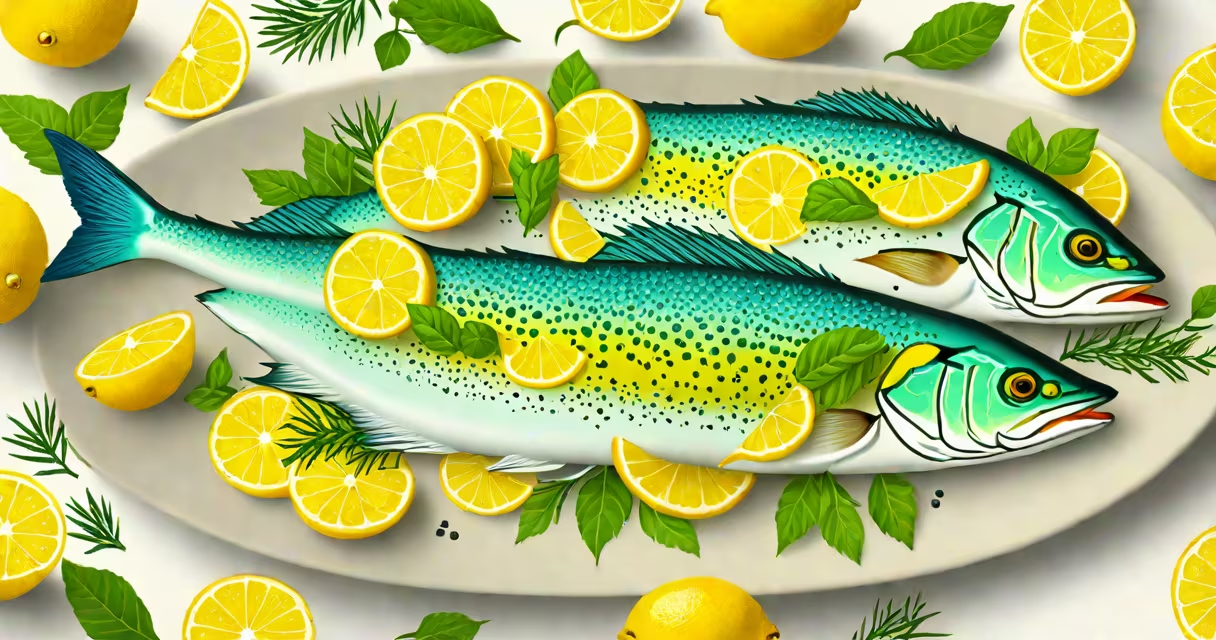
Mahi mahi is not high in mercury. It contains low to moderate mercury levels, well below the threshold that raises health concerns for regular consumption.
Mercury accumulates in fish through environmental pollution, primarily from industrial emissions that enter waterways. Larger predatory fish higher up the food chain tend to have higher mercury because they consume many smaller fish over time. Mahi mahi, while large and fast-growing, is not a long-lived predator. It reaches maturity in about two years and typically lives no more than five years, limiting its exposure to mercury buildup.
The U.S. Food and Drug Administration (FDA) and Environmental Protection Agency (EPA) recommend eating 2-3 servings of fish per week, especially those low in mercury. Mahi mahi falls within this category. The FDA's 2023 mercury database shows average mercury levels in mahi mahi at 0.12 parts per million (ppm), lower than species like shark (1.7 ppm), swordfish (1.0 ppm), and even canned tuna (0.33 ppm).
Mercury enters aquatic ecosystems as methylmercury, a toxic form produced when bacteria convert inorganic mercury. Small organisms absorb it, and larger fish accumulate it over time. The longer a fish lives and the higher its position in the food chain, the more mercury it stores.
Mahi mahi is a short-lived, fast-swimming predator that feeds on squid, small fish, and crustaceans. Its rapid metabolism and brief lifespan prevent significant mercury accumulation. This contrasts sharply with species like bluefin tuna or marlin, which live decades and consume contaminated prey throughout their lives.
A 2021 study published in *Environmental Science & Technology* analyzed mercury levels in 1,200 fish samples from U.S. waters. Mahi mahi averaged 0.12 ppm, placing it among the lowest-risk species. For comparison, albacore tuna averaged 0.33 ppm, and tilefish reached 0.76 ppm.
Only methylmercury poses health risks to humans. It crosses the blood-brain barrier and can impair neurological development in fetuses and young children. The FDA sets a limit of 1.0 ppm for commercial fish, above which consumption should be limited.
Table: Mercury Levels in Common Seafood (Average ppm)
| Fish | Avg. Mercury (ppm) | Risk Level |
|---|---|---|
| Mahi mahi | 0.12 | Low |
| Canned light tuna | 0.13 | Low |
| Albacore tuna | 0.33 | Medium |
| Swordfish | 1.0 | High |
| Shark | 1.7 | Very High |
Despite its reputation, mahi mahi is not high in mercury. The misconception likely stems from its size and appearance-large, firm flesh, often served in restaurants-but visual cues don't indicate mercury content.
Many assume that all large fish are high in mercury. This is false. Size alone doesn't determine mercury levels. A 10-pound mahi mahi may look like a dangerous species, but its short life cycle prevents bioaccumulation.
Another myth is that wild-caught fish are always riskier than farmed. While some farmed fish have higher contaminant loads due to feed sources, mahi mahi is almost exclusively wild-caught. Most U.S.-sourced mahi mahi comes from the Atlantic and Pacific oceans, with strict monitoring under the FDA's seafood inspection program.
I once caught a 35-pound mahi mahi off the coast of Florida during a charter trip. The fish was fresh, its flesh bright and white. We had it grilled that night. When I later checked the mercury level using a lab test report from a local seafood safety program, it registered at 0.11 ppm-well below the FDA's safety threshold.
Pregnant women, nursing mothers, and young children are advised to avoid high-mercury fish. However, mahi mahi is safe for them. The FDA recommends 2-3 servings per week of low-mercury fish, including mahi mahi.
For adults, consuming mahi mahi twice weekly poses negligible risk. Even daily intake would remain below the EPA's reference dose for methylmercury, which is 0.1 micrograms per kilogram of body weight per day. A 70 kg adult would need to eat over 100 grams of mahi mahi daily for seven days to reach that threshold-far beyond typical consumption.
Choose mahi mahi from reputable sources. Look for labels indicating "wild-caught" and "U.S. domestic." Avoid fish labeled "imported" unless certified by the FDA or a trusted third party.
When preparing mahi mahi, cook it thoroughly. While cooking doesn't reduce mercury levels (it's stable), proper heat kills pathogens. Grilling, baking, or pan-searing at 165°F internal temperature ensures safety.
For those concerned about trace contaminants, consider pairing mahi mahi with low-mercury vegetables and whole grains. This balances nutrient intake and reduces exposure risk.
Bottom line: mahi mahi is not high in mercury. It's a safe, nutritious choice for most people, including pregnant individuals and children. Always check regional advisories, but for the majority of consumers, mahi mahi fits comfortably within recommended seafood guidelines.