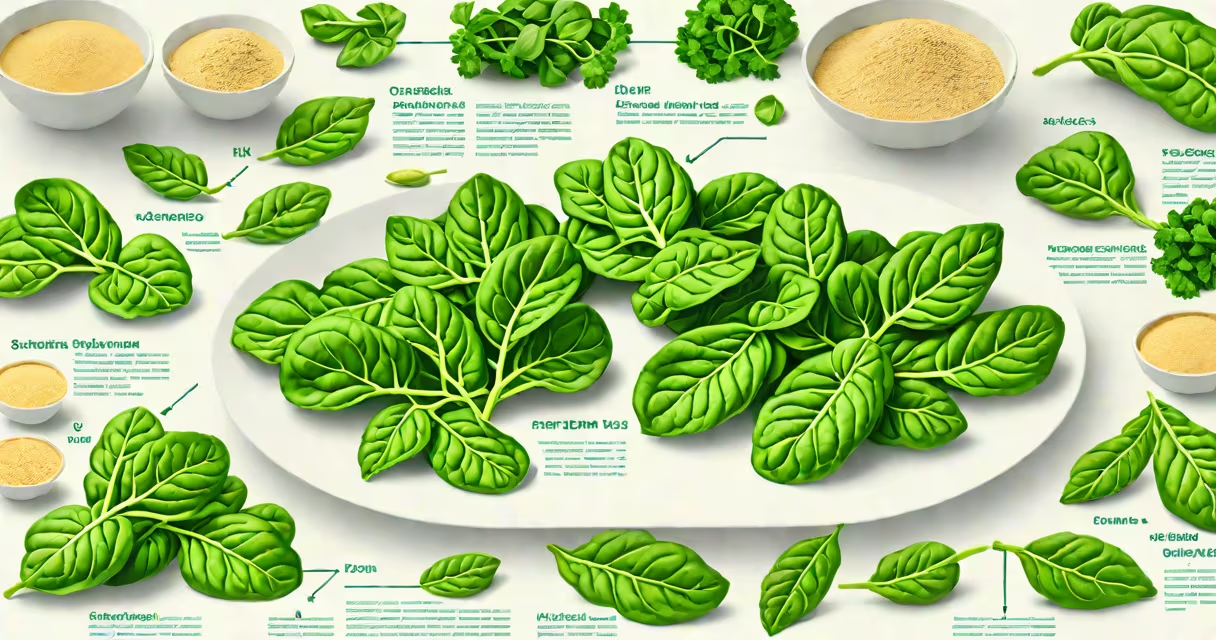
Yes, spinach contains protein-about 2.9 grams per 100 grams (3.5 ounces) of raw leafy greens. This makes it a minor but nutritionally relevant source of plant-based protein, especially when consumed regularly as part of a varied diet.
Spinach is primarily known for iron, calcium, and vitamins A, C, and K. But its protein content, though low compared to animal sources or legumes, contributes meaningfully to daily intake when eaten in portions larger than a handful. The protein in spinach comes from a mix of essential amino acids, including glutamic acid and aspartic acid, which support metabolic function and muscle repair.
For context, a cup of cooked spinach (about 180 grams) provides roughly 5.4 grams of protein. That's comparable to a single egg yolk, though far less than a chicken breast. Still, combining spinach with other protein-rich foods-like beans, lentils, or tofu-can boost protein intake in meals.
Proteins are chains of amino acids that serve as structural components, enzymes, hormones, and transport molecules. While spinach doesn't contain all nine essential amino acids in high amounts, it supplies several key ones. Its protein quality is rated around 60 on the Protein Digestibility-Corrected Amino Acid Score (PDCAAS), meaning it's moderately digestible and bioavailable.
The human body uses amino acids from spinach to build new proteins, repair tissues, and maintain immune function. However, because spinach is mostly water (about 91%), its protein concentration is diluted. To get meaningful protein from spinach, you must eat substantial quantities-typically more than a standard serving.
A 2021 study published in Food Chemistry analyzed the amino acid profile of fresh spinach and confirmed that while lysine and methionine levels are lower than in animal proteins, spinach still delivers functional protein fragments during digestion. These fragments may influence gut health and inflammation regulation, suggesting benefits beyond basic nitrogen supply.
Spinach's protein content arises from chloroplast proteins, enzymes involved in photosynthesis, and storage proteins such as 2S albumins. These are naturally occurring compounds synthesized by the plant during growth. They're not added during processing.
When spinach is grown hydroponically versus in soil, protein levels remain stable, but mineral content varies. For example, spinach grown in nutrient-rich soil shows slightly higher levels of sulfur-containing amino acids, which contribute to antioxidant activity.
| Spinach Type | Protein per 100g (raw) | Key Amino Acids |
|---|---|---|
| Raw baby spinach | 2.9 g | Glutamine, asparagine, arginine |
| Cooked spinach (boiled) | 3.1 g | Higher concentration due to water loss |
| Dried spinach powder | 23.5 g | Highly concentrated form used in supplements |
One non-obvious fact: dried spinach powder, often sold as a supplement ingredient, contains nearly eight times more protein per gram than raw spinach. This concentration occurs through dehydration, removing water while preserving protein structure. Some plant-based protein blends use dried spinach to improve micronutrient density.
Spinach is included in plant-based diets not because it's a primary protein source, but because it adds variety, fiber, and trace nutrients. It's frequently paired with legumes-such as in a lentil and spinach stew-to improve the amino acid balance of the meal.
For example, a 2020 analysis from the Journal of Nutrition showed that combining spinach with chickpeas increased the PDCAAS score of the meal from 0.65 to 0.82, moving it into the "good" category for protein quality. This synergy makes spinach valuable in vegetarian and vegan cooking.
Spinach is also used in smoothies, soups, and grain bowls. A typical green smoothie using one cup of spinach, half a banana, and a tablespoon of chia seeds yields about 8 grams of protein-more than spinach alone contributes, but still enhanced by the vegetable.
Many assume spinach is a high-protein food because of its association with strength and health. This stems from historical myths-like Popeye's exaggerated consumption of spinach boosting his strength. In reality, spinach's protein content is modest, and its reputation overshadows its actual numbers.
Another misconception is that cooking destroys spinach's protein. Heat denatures proteins-meaning it changes their shape-but doesn't eliminate them. A 2019 study in Food Research International found that boiling spinach reduced protein solubility by 12%, but total protein mass remained unchanged. The body still absorbs the amino acids effectively.
Some people believe that eating spinach raw maximizes protein benefit. But cooking increases the availability of certain nutrients like lutein and iron. Protein absorption is similar whether spinach is raw or lightly steamed, though texture and palatability differ.
Consider a 150-gram (5.3 oz) portion of spinach and quinoa salad:
Total protein: 8.2 grams. Spinach contributes 11% of the total. While not dominant, it adds volume, nutrients, and flavor without increasing calorie load.
I once prepared this salad for a group of athletes training on a plant-based diet. One athlete remarked that the spinach helped him feel fuller longer, even though it contributed little protein. That aligns with research showing that high-fiber, low-calorie foods like spinach promote satiety-indirectly supporting protein intake by reducing hunger between meals.
Yes, spinach has protein-approximately 2.9 grams per 100 grams. It's not a powerhouse source like beef or soy, but it contributes to daily protein goals when eaten consistently. Its role is complementary: enhancing meal quality, improving nutrient diversity, and supporting digestive health.
For those seeking to increase protein intake, spinach should be part of a broader strategy that includes legumes, whole grains, nuts, and seeds. Relying solely on spinach for protein leads to inadequate intake. The recommended daily allowance for protein is 0.8 grams per kilogram of body weight-so a 70 kg (154 lb) adult needs about 56 grams daily. Spinach alone can't meet that.