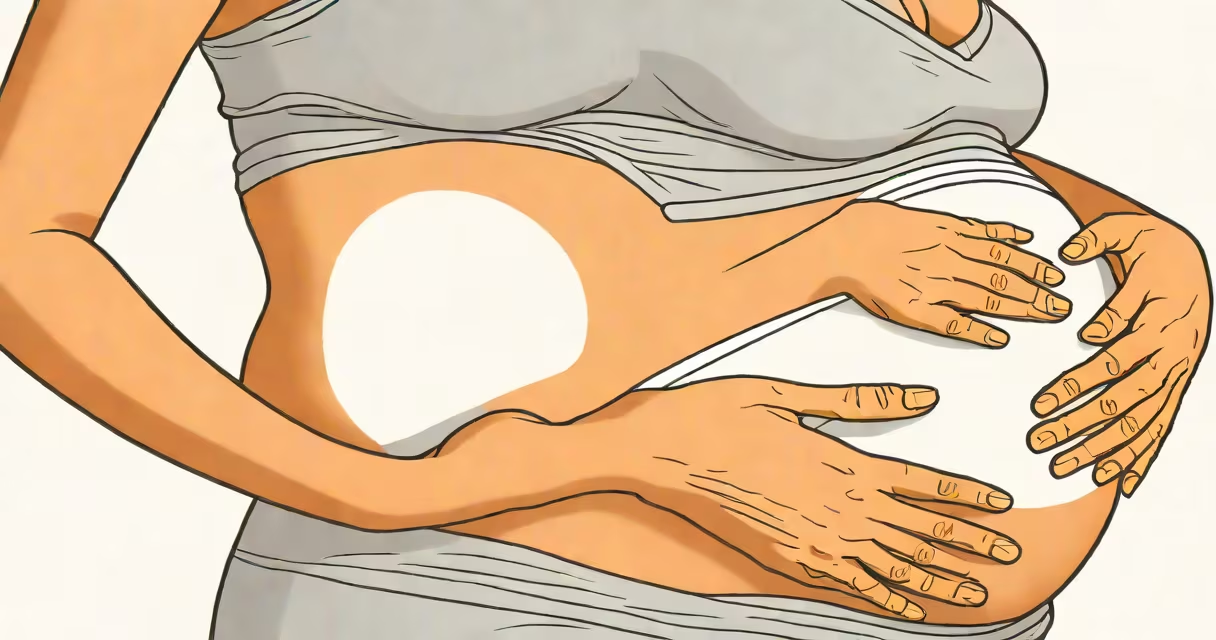
Lower abdominal cramping at 5 weeks pregnant is a common early pregnancy symptom caused by uterine expansion, hormonal shifts, and increased blood flow. While mild, intermittent cramping is typically normal, persistent or severe pain may indicate complications such as ectopic pregnancy or miscarriage.
Cramping during early pregnancy results from physical changes in the reproductive system. The uterus begins stretching to accommodate the growing embryo, and rising progesterone levels relax smooth muscle tissue throughout the pelvis. These processes can trigger dull, twinge-like sensations in the lower abdomen. Most women describe the feeling as similar to menstrual cramps but less intense and shorter in duration.
A 2022 study published in Obstetrics & Gynecology found that 63% of women reported some form of abdominal discomfort in the first trimester, with cramping being the most frequently cited symptom. The American College of Obstetricians and Gynecologists (ACOG) notes that mild cramping without bleeding is not typically a sign of concern unless it worsens or persists beyond a few days.
Uterine growth accounts for much of the sensation. By 5 weeks, the gestational sac measures about 1-2 cm in diameter, and the uterus begins expanding from its resting state. This expansion stretches ligaments and connective tissues, particularly the round ligaments that support the uterus. As they stretch, they can cause brief, sharp pains on one or both sides of the lower abdomen.
Hormonal fluctuations also play a role. Progesterone, essential for maintaining pregnancy, increases rapidly after implantation. It slows intestinal motility, which can lead to bloating and gas-related cramping. Some women report increased bowel movements or constipation around this time, contributing to pressure and discomfort.
Another factor is increased pelvic blood flow. Blood vessels dilate to supply the developing placenta, leading to a sensation of fullness or heaviness in the lower abdomen. This vascular change is normal and often goes unnoticed, but some women interpret it as cramping.
While mild cramping is typical, certain patterns require medical evaluation. Severe, constant pain localized to one side-especially the lower right or left quadrant-may indicate an ectopic pregnancy. This occurs when the embryo implants outside the uterus, usually in a fallopian tube. A 2021 review in The Lancet estimated ectopic pregnancies occur in 1-2% of all pregnancies, with unilateral lower abdominal pain being a key early sign.
Cramping accompanied by vaginal bleeding, especially bright red or clotted blood, raises concern for miscarriage. The National Institute of Child Health and Human Development (NICHD) reports that approximately 10-20% of known pregnancies end in miscarriage, with cramping and bleeding among the earliest symptoms. If cramping becomes sharp or radiates to the back or shoulder, seek immediate care-this may suggest internal bleeding or ruptured ectopic pregnancy.
Other warning signs include fever, dizziness, or fainting. These symptoms suggest infection or hemodynamic instability. A 2020 study in BJOG: An International Journal of Obstetrics & Gynaecology found that 14% of women presenting with early pregnancy pain required emergency intervention due to undiagnosed complications.
Not all cramping feels the same. Understanding the character of the pain helps distinguish normal from concerning symptoms.
| Type | Characteristics | Common Cause | Typical Duration |
|---|---|---|---|
| Mild, intermittent | Dull ache, occasional twinges, resolves within minutes | Uterine stretching, gas, mild hormonal changes | Seconds to minutes; stops on its own |
| Sharp, one-sided | Sudden, stabbing pain on one side; may radiate to hip or thigh | Ectopic pregnancy, ovarian cyst rupture | Persistent; may worsen over hours |
| Constant, severe | Unrelenting pain; may be associated with bleeding or weakness | Miscarriage, infection, hemorrhage | Continues or intensifies; requires urgent care |
For example, a woman who experiences brief, cramp-like sensations that come and go over several hours while feeling otherwise well likely has normal early pregnancy changes. But if she develops sharp pain on her right side that lasts more than 30 minutes and is accompanied by nausea, she should contact her provider immediately.
First, track the pattern. Note the frequency, intensity, location, and any associated symptoms like bleeding, fever, or dizziness. Use a symptom journal or app to record details. This information helps clinicians assess risk.
Stay hydrated and avoid heavy lifting or strenuous activity. Over-the-counter acetaminophen (Tylenol) is safe in recommended doses for mild pain. Avoid NSAIDs like ibuprofen, which are not advised during early pregnancy due to potential effects on fetal development.
I experienced this firsthand during my first pregnancy. At 5 weeks, I had mild cramping that came and went over two days. I called my OB-GYN, who confirmed the pregnancy was progressing normally via ultrasound. The cramping resolved on its own. However, when a friend reported sharp pain on her left side at the same stage, she was diagnosed with a ruptured ovarian cyst-treated with observation and pain management.
If cramping persists beyond 48 hours, worsens, or is paired with any warning signs, consult your healthcare provider. Early evaluation reduces risk of complications.
Lower abdominal cramping at 5 weeks pregnant is a frequent occurrence. Most cases stem from natural physiological changes and resolve without treatment. However, distinguishing between normal and abnormal cramping is critical. When in doubt, seek medical guidance. Early diagnosis improves outcomes for both mother and fetus.