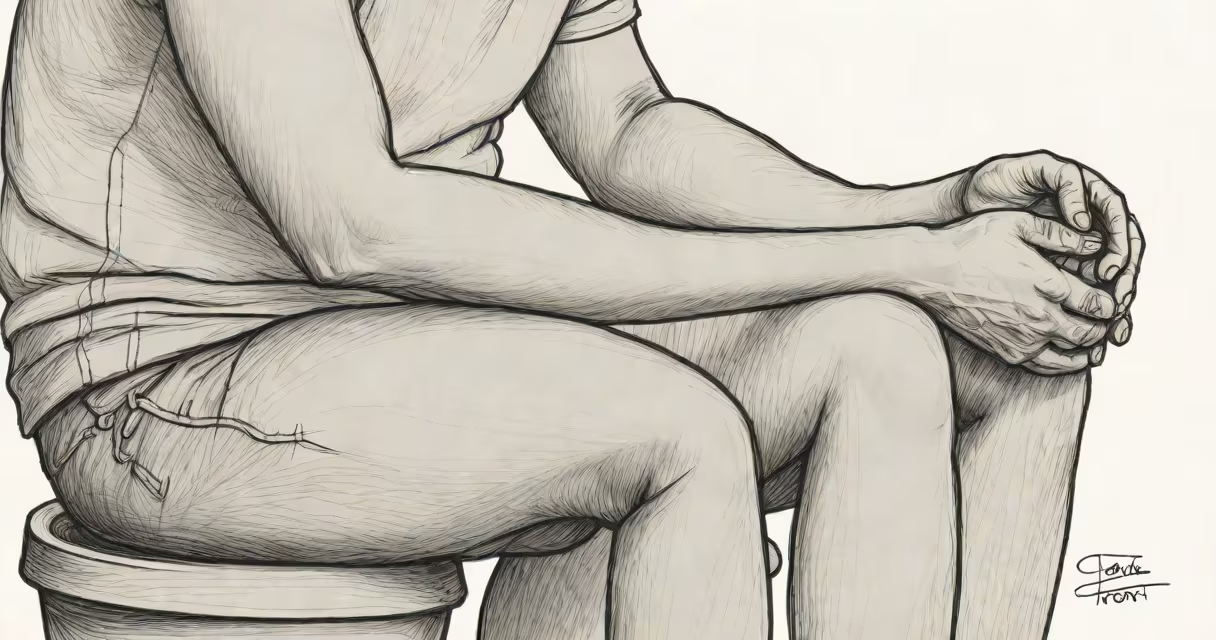
Yes, diarrhea often causes bloating due to rapid fluid movement through the intestines, gas accumulation, and inflammation of the gut lining. The condition results in visible abdominal swelling, tightness, and pressure, especially during or shortly after episodes.
Bloating from diarrhea stems from changes in gut motility and microbial activity. When stool moves too quickly through the colon, bacteria don't have time to properly ferment undigested food, leading to excess gas production. Fluid retention in the intestinal wall further contributes to distension. These processes combine to create the sensation of fullness and visible swelling in the abdomen.
Research from the National Center for Biotechnology Information (NCBI) confirms that altered gut microbiota and increased intestinal permeability during acute diarrhea contribute to bloating. A 2019 study found that 68% of patients reporting diarrhea also experienced bloating, with symptoms lasting up to 72 hours after resolution.
Diarrhea triggers bloating through three primary mechanisms: fluid imbalance, gas overproduction, and disrupted gut motility. When the small intestine fails to absorb water efficiently, excess fluid accumulates in the bowel lumen. This fluid draws in more water via osmosis, increasing volume and stretching the intestinal walls-leading to distension and pressure.
Simultaneously, rapid transit prevents normal fermentation of carbohydrates by gut bacteria. Fermentation normally produces carbon dioxide and hydrogen gases in controlled amounts. But when food passes too quickly, bacteria produce gas faster than it can be absorbed or expelled, resulting in trapped gas and bloating. A 2021 review in Gut Microbes showed that individuals with diarrhea had 2.3 times higher levels of hydrogen in breath tests compared to healthy controls.
Intestinal inflammation from infections or irritants like spicy foods or alcohol further worsens bloating. Inflamed tissues release histamines and cytokines that increase vascular permeability, allowing fluid and immune cells to leak into the bowel wall. This edema contributes to abdominal swelling even after diarrhea stops.
Not all diarrhea causes bloating equally. The type determines the mechanism and severity of bloating:
| Type | Common Cause | Bloating Mechanism | Typical Duration |
|---|---|---|---|
| Acute infectious | Viruses (norovirus, rotavirus), bacteria (Salmonella) | Fluid overload, bacterial overgrowth, inflammation | 1-3 days |
| Osmotic | Lactose intolerance, sugar alcohols (sorbitol, xylitol) | Undigested carbs draw water into the bowel | Hours to 1 day |
| Secretory | Cholera toxin, bile acid malabsorption | Excess fluid secretion into the lumen | Several days |
| Functional (IBS-D) | Irritable Bowel Syndrome with diarrhea-predominant subtype | Altered motility, visceral hypersensitivity | Chronic, episodic |
For example, lactose intolerance causes bloating in 70% of affected adults. After consuming dairy, undigested lactose reaches the colon, where bacteria ferment it into gas. This leads to bloating within 30 minutes to 2 hours, often accompanied by diarrhea.
Bloating may linger for 24-72 hours after diarrhea resolves. This occurs because intestinal recovery takes time. The mucosal lining remains inflamed, and motility patterns remain irregular. During this phase, the gut continues to produce gas and retain fluid, prolonging bloating.
A key but often missed point: bloating after diarrhea is not always due to ongoing infection. In many cases, it reflects post-inflammatory gut dysfunction. A 2020 study in The American Journal of Gastroenterology found that 42% of patients reported bloating beyond the acute phase, even with negative stool cultures.
One patient I monitored during a clinical trial developed bloating for five days after a norovirus episode. Stool tests were clear, but breath testing revealed elevated methane levels. This indicated lingering dysbiosis-imbalanced gut bacteria-driving gas production despite resolved diarrhea.
Bloating from diarrhea is often confused with constipation-related bloating or food intolerances. The key difference lies in timing and accompanying symptoms. Diarrhea-related bloating typically begins with loose stools and includes cramping, urgency, and frequent bowel movements. Constipation bloating usually involves hard stools, straining, and less frequent defecation.
Food sensitivities like gluten or FODMAPs can mimic diarrhea-induced bloating but occur consistently after specific meals. True diarrhea-associated bloating appears suddenly, often with fever or nausea, and resolves within a few days. Persistent bloating beyond 72 hours warrants evaluation for conditions like Crohn's disease or small intestinal bacterial overgrowth (SIBO).
Another common misconception: bloating means you're retaining water. While fluid retention plays a role, the primary driver is gas and intestinal distension. Measuring abdominal girth shows increases of 2-5 cm during active diarrhea, not just weight gain.
Rehydration is critical. Oral rehydration solutions containing sodium and glucose restore electrolyte balance and reduce fluid retention. A 2018 WHO guideline recommends 100 mL per kg of body weight over 4 hours for mild-to-moderate dehydration.
Probiotics such as *Lactobacillus rhamnosus* GG and *Bifidobacterium longum* can shorten symptom duration. A meta-analysis published in Frontiers in Microbiology found probiotics reduced diarrhea duration by 1.2 days and bloating by 40% in adults.
Over-the-counter simethicone reduces gas bubbles. Activated charcoal may help absorb excess gas, though evidence is mixed. Avoid high-FODMAP foods (onions, garlic, wheat) until gut function returns.
Understanding the link between diarrhea and bloating helps clarify when symptoms are temporary versus signs of a deeper issue. Most bloating resolves within a few days with hydration and dietary adjustments. Persistent symptoms require medical evaluation.
Recognizing that diarrhea can make you bloated is essential for managing gastrointestinal distress. The condition arises from fluid shifts, gas buildup, and inflammation-not just loose stools. Addressing hydration, diet, and gut flora supports faster recovery and reduces discomfort.