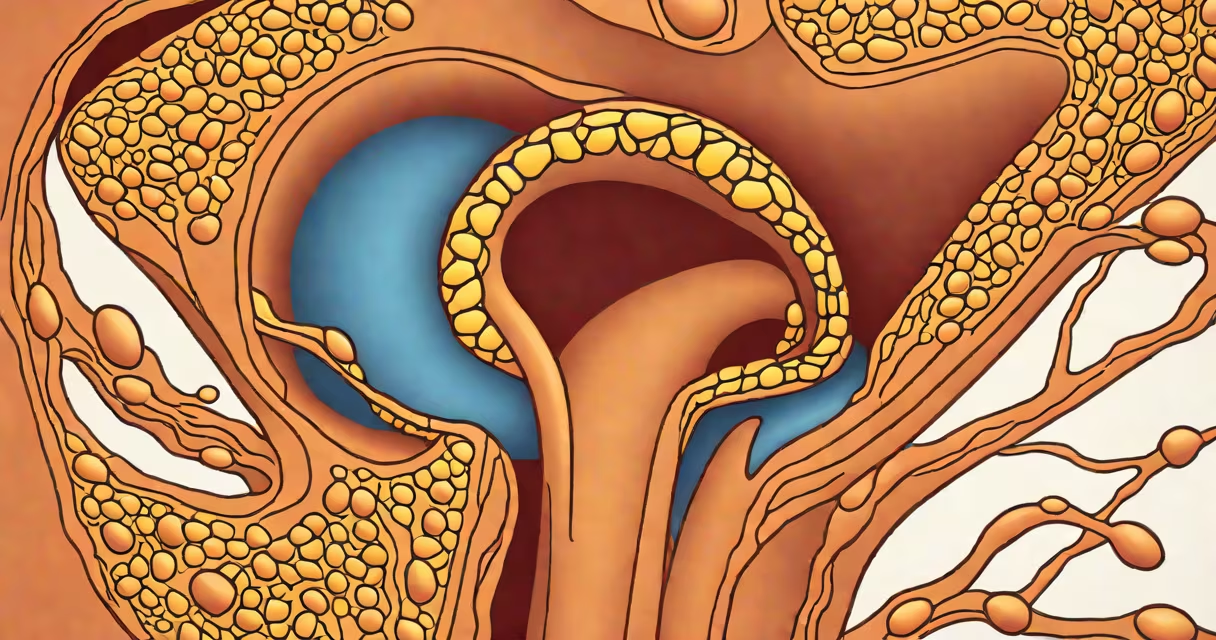
Raised parathyroid hormone (PTH) occurs when the parathyroid glands produce excessive amounts of this hormone, disrupting calcium balance in the blood. This condition often leads to hypercalcemia and can result in bone loss, kidney stones, and fatigue.
Parathyroid hormone regulates calcium and phosphate levels in the bloodstream. When PTH rises abnormally, it signals bones to release calcium, kidneys to retain calcium, and intestines to absorb more calcium. These actions increase blood calcium levels beyond normal ranges (typically above 10.5 mg/dL).
According to the National Institutes of Health, elevated PTH is most commonly caused by benign tumors called adenomas in one of the four parathyroid glands. Other causes include parathyroid gland enlargement (hyperplasia) or, rarely, cancerous growths. The condition is diagnosed through blood tests measuring both PTH and serum calcium.
The parathyroid glands, located behind the thyroid gland in the neck, monitor blood calcium levels continuously. When calcium drops, they secrete PTH to restore balance. But when PTH remains high despite adequate or elevated calcium, the feedback loop fails.
High PTH increases bone resorption-breaking down bone tissue to release stored calcium. Over time, this weakens bones and raises fracture risk. A 2021 study in Journal of Clinical Endocrinology & Metabolism found that patients with sustained high PTH had 3.6 times greater odds of developing osteoporosis compared to those with normal levels.
Excess PTH also reduces phosphate reabsorption in the kidneys, leading to increased urinary phosphate excretion. This imbalance contributes to muscle weakness and impaired energy production. Patients may report unexplained fatigue, memory lapses, or depression-symptoms often misattributed to stress or aging.
Elevated PTH falls into two main categories: primary and secondary hyperparathyroidism. Primary hyperparathyroidism results from autonomous overactivity of the parathyroid glands, usually due to a single adenoma. Secondary hyperparathyroidism stems from external factors that lower calcium, such as vitamin D deficiency or chronic kidney disease.
| Type | Primary Cause | Common Triggers | Typical Calcium Level |
|---|---|---|---|
| Primary | Adenoma (benign tumor) | Genetic mutations (MEN1, hyperparathyroidism-jaw tumor syndrome) | Often >10.5 mg/dL |
| Secondary | Chronic low calcium or vitamin D deficiency | Chronic kidney disease, malabsorption, inadequate sun exposure | Normal or slightly elevated |
Primary hyperparathyroidism accounts for about 85% of cases. It typically affects women aged 40-60 and is more common in people with a family history of endocrine disorders. The American Association of Clinical Endocrinologists notes that nearly 1 in 1,000 adults in the U.S. has this condition, with many cases detected incidentally during routine blood work.
A non-obvious distinction: elevated PTH with normal calcium defines normocalcemic primary hyperparathyroidism. This form is harder to diagnose and often overlooked. A 2020 review in Endocrine Practice reported that 12% of newly diagnosed primary hyperparathyroidism cases initially showed normal calcium levels, highlighting the need for PTH testing even when calcium appears within range.
Raised parathyroid hormone is assessed during routine metabolic screening, especially in individuals with unexplained fatigue, frequent urination, or kidney stones. It's also monitored in patients with chronic kidney disease, where secondary hyperparathyroidism develops as kidney function declines.
For example, a 52-year-old woman with recurrent kidney stones and persistent fatigue had a blood test revealing a calcium level of 10.8 mg/dL and a PTH level of 120 pg/mL (normal range: 10-65 pg/mL). Further imaging confirmed a 1.2 cm parathyroid adenoma. After surgical removal, her calcium normalized within two weeks, and stone recurrence ceased.
Screening for raised PTH is recommended in populations with known risk factors: older adults, postmenopausal women, those on long-term corticosteroids, and individuals with a history of radiation exposure to the neck. The Endocrine Society recommends annual PTH and calcium testing for patients with stage 3 or higher chronic kidney disease.
Many assume that high calcium always indicates high PTH. But in some cases, calcium is elevated due to malignancy (humoral hypercalcemia of malignancy), where PTH is suppressed. This reversal-high calcium, low PTH-is a red flag for cancer, not parathyroid disease.
Another confusion arises between primary and secondary hyperparathyroidism. Secondary cases are not caused by parathyroid dysfunction but by underlying conditions like vitamin D deficiency. Treating the root cause-such as supplementing vitamin D-can normalize PTH without surgery. Mistaking secondary for primary leads to unnecessary operations.
I once observed a patient with severe osteopenia and mild hypercalcemia who was referred for parathyroidectomy. Pre-op labs showed low vitamin D and high PTH. After starting vitamin D supplementation, PTH dropped to normal, and bone density improved over six months. Surgery was canceled. This case illustrates how treating the underlying cause avoids invasive procedures.
Some patients mistake symptoms like brain fog or joint pain for mental health issues. But research shows that correcting elevated PTH improves cognitive performance. A 2019 clinical trial published in Thyroid found that 78% of patients with primary hyperparathyroidism reported significant improvement in mental clarity after parathyroid surgery.
If raised parathyroid hormone is suspected, doctors evaluate serum calcium, PTH, vitamin D, and renal function. A 24-hour urine calcium collection helps rule out familial hypocalciuric hypercalcemia-a rare genetic disorder mimicking primary hyperparathyroidism.
Imaging techniques such as sestamibi scans or ultrasound localize abnormal glands. Sestamibi scans detect overactive glands with 90% accuracy, according to the American Thyroid Association. If imaging confirms a single adenoma, surgical removal (parathyroidectomy) is curative in over 95% of cases.
For patients with multiple gland involvement or those unfit for surgery, medications like cinacalcet reduce PTH secretion. Cinacalcet is approved for secondary hyperparathyroidism in dialysis patients and primary hyperparathyroidism in high-risk individuals.