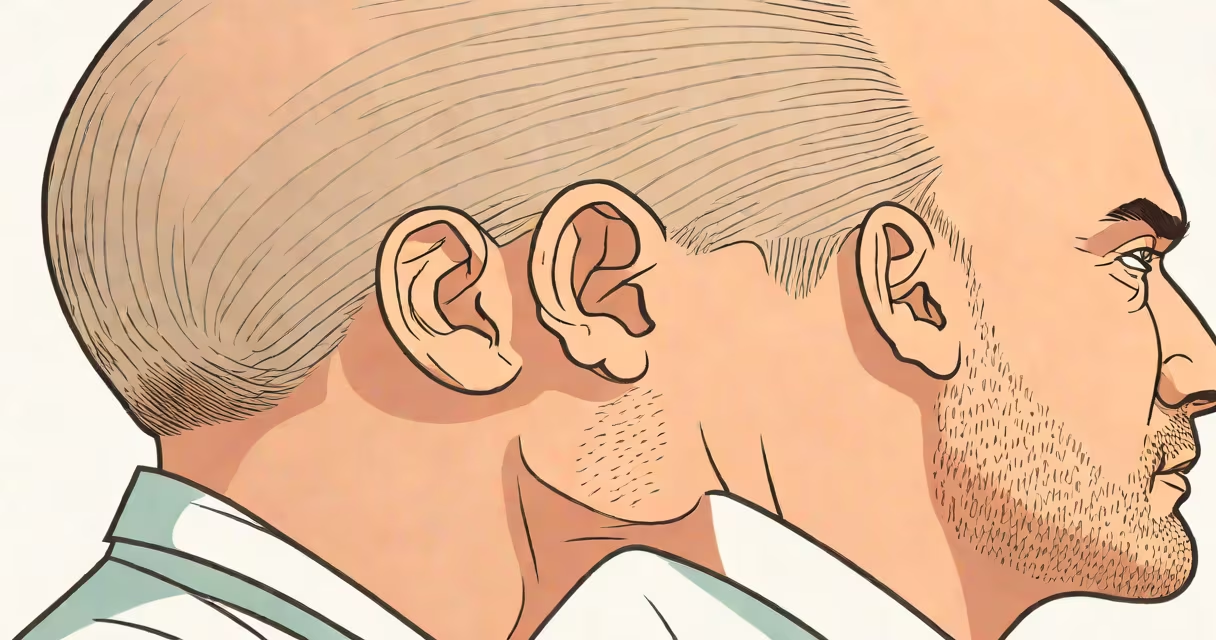
Balding begins with subtle changes in hair density, scalp visibility, and hairline shape-often starting at the temples and crown. These shifts may go unnoticed for months, but early detection allows for timely intervention. The most common cause is androgenetic alopecia, a hereditary condition affecting over 50% of men by age 50.
Androgenetic alopecia progresses gradually. Hair follicles shrink due to sensitivity to dihydrotestosterone (DHT), a hormone derivative. As follicles miniaturize, hair becomes finer and shorter until they stop producing visible strands. This process typically begins in your late 20s or early 30s, though it can start earlier.
Recognizing balding early reduces emotional stress and increases treatment effectiveness. Options like minoxidil and finasteride work best when applied during initial thinning stages. Delaying action risks permanent hair loss in affected zones.
The most consistent indicators of balding appear in predictable patterns. The Norwood scale categorizes male pattern baldness into seven stages, from minimal recession to extensive hair loss. Stage 1 shows no visible change; Stage 7 involves complete frontal and vertex baldness.
Common early signs include:
A 2021 study published in the Journal of Clinical and Aesthetic Dermatology found that 68% of men aged 25-40 reported noticing hairline changes before seeking medical advice. Early awareness correlates strongly with better outcomes.
Balding is not always genetic. Other forms of hair loss mimic androgenetic alopecia but stem from different causes. Misdiagnosis leads to ineffective treatments.
| Type | Onset | Pattern | Common Causes |
|---|---|---|---|
| Androgenetic alopecia | Gradual, over years | Temporal recession, crown thinning | Genetics, DHT sensitivity |
| Diffuse alopecia areata | Sudden, within weeks | Generalized thinning, not localized | Autoimmune disorder |
| Traction alopecia | Slow, over months | Frontal or side-line thinning | Excessive pulling from tight hairstyles |
| Scarring alopecia | Progressive, with inflammation | Permanent bald patches | Infection, trauma, autoimmune disease |
Androgenetic alopecia accounts for about 95% of male hair loss cases, according to the American Academy of Dermatology. The remaining 5% involve other conditions requiring distinct management.
One key difference: androgenetic alopecia rarely causes itching, redness, or pain. If those symptoms accompany hair loss, consult a dermatologist. Scarring and inflammatory types often show skin changes-papules, scaling, or nodules-that are absent in genetic balding.
Many men misinterpret temporary thinning as permanent balding. Stress, poor diet, or seasonal shedding can reduce hair volume without triggering long-term loss. These effects reverse within 3-6 months when lifestyle factors improve.
Another error is assuming balding only affects the front. The crown is equally vulnerable. A 2019 survey by the International Society of Hair Restoration Surgery showed that 43% of men first notice thinning at the vertex, not the hairline.
I once observed a client who believed he was balding because his hair felt "lighter" after a week of travel. Upon examination, his hairline remained intact, and follicle density was within normal range. He had experienced temporary shedding due to dehydration and sleep disruption. After rest and hydration, his hair returned to baseline.
Consult a dermatologist if you see:
Doctors use tools like dermoscopy to assess follicle health. A single session can reveal miniaturized follicles, reduced pigmentation, and increased vellus hairs-signs of early balding invisible to the naked eye.
For example, a 34-year-old patient presented with mild temple recession. Dermoscopy confirmed early-stage androgenetic alopecia. He began using 5% minoxidil twice daily and saw measurable regrowth after six months. Early diagnosis prevented further progression.
Not all hair loss requires medication. Some cases respond to lifestyle adjustments. Reducing alcohol intake, managing cortisol levels, and ensuring adequate zinc and vitamin D intake support hair health. But only a professional evaluation confirms whether treatment is needed.
Understanding how to tell if you are balding prevents unnecessary anxiety and guides effective action. Focus on observable changes-not assumptions. Track your hairline monthly using photos taken under consistent lighting. Compare them side-by-side to detect subtle shifts.
Early recognition of balding signs improves response to treatment and preserves confidence. The goal isn't to prevent all hair loss-it's to act when change matters most.