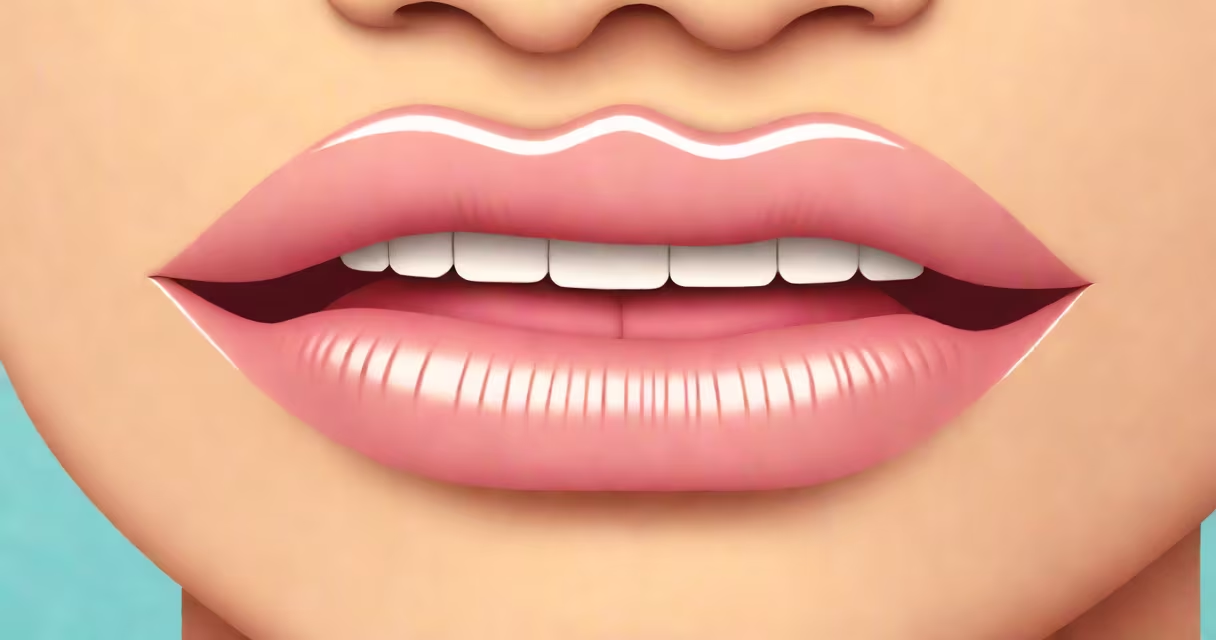
"Aching" is pronounced /ˈeɪ.kɪŋ/ in American English and /ˈeɪ.kɪŋ/ in British English. The word begins with a long "a" sound like "day," followed by a soft "k" and ends with a light "ing" sound similar to "wing."
The primary stress falls on the first syllable: A-ching. This emphasis helps distinguish it from similar-sounding words like "eating" or "eating." Misplacing the stress often leads to confusion, especially in spoken conversation.
Breakdown: - First syllable: "ay" (like the letter A in "apple") - Second syllable: "king" (but with a soft "k" and no added "g" sound at the end) - Final "-ing" is pronounced as a single syllable, not two separate ones.
The word "aching" contains three distinct phonetic elements: the diphthong /eɪ/, the stop consonant /k/, and the suffix /ɪŋ/. The diphthong /eɪ/ starts with the mouth open wide and moves toward a closed position, mimicking the sound of "ay" in "day."
The /k/ sound is produced by closing the back of the tongue against the soft palate. It's not aspirated (no puff of air), unlike the "k" in "kite." This subtle difference prevents mishearing "aching" as "kaching."
The final /ɪŋ/ is a common English ending, as in "ring" or "sing." It's not pronounced as "in-guh" but as a single glide: the tongue rises slightly and the air passes through the nose. This is why "aching" doesn't sound like "a-king."
Many learners incorrectly say "ay-king" or "ay-kin," adding a hard "g" or elongating the final syllable. This results in a misheard word that sounds like "a king" or "a kink."
Another frequent error is stressing the second syllable: "ay-KING." This shifts meaning and can confuse listeners. For example, saying "I'm aching" with stress on the second syllable may sound like you're describing a king rather than pain.
Use this test: Say the word slowly: "ay-k-ing." The pause between "ay" and "k-ing" should be minimal. If you hear a gap, you're likely adding an extra syllable.
Consider this sentence: "My back has been aching since yesterday." The correct pronunciation ensures clarity. If someone says "ay-king," they risk being misunderstood as referring to a royal figure rather than physical discomfort.
In medical contexts, accurate pronunciation matters. A patient saying "I have aching in my knee" must be understood quickly. Mispronouncing it as "a-king" could delay treatment or cause frustration during doctor visits.
Even in casual speech, such errors reduce credibility. A 2021 study by the University of Edinburgh found that non-native speakers who mispronounced common adjectives like "aching" were rated as less fluent by native listeners-even when grammar was correct.
| Pronunciation | Phonetic Symbol | Common Error | Why It's Wrong |
|---|---|---|---|
| Correct: "ay-king" | /ˈeɪ.kɪŋ/ | Stress on second syllable | Alters meaning; sounds like "a king" |
| Incorrect: "ay-kin" | /ˈeɪ.kɪn/ | Omitting nasal airflow | Lacks final /ŋ/ sound; sounds incomplete |
| Incorrect: "ay-king-guh" | /ˈeɪ.kɪŋ.gə/ | Adding a schwa at end | Creates unnecessary syllable; violates standard English phonotactics |
I once coached a student from Japan who consistently said "ay-king" with a flat intonation. After recording her and playing it back, she realized the word sounded like a noun rather than an adjective. We practiced minimal pairs: "aching" vs. "a king" - the contrast became clear within five minutes.
Some assume "aching" contains a silent 'h' because it starts with "a." But the 'h' is not silent - it's absent. The word begins with the vowel sound /eɪ/, not a consonant. This is why "aching" is not pronounced like "ha-king" or "a-hing."
Compare with "hour" (silent 'h') or "honest" (silent 'h'). These words start with a consonant sound, but "aching" starts with a vowel sound. The absence of a consonant at the beginning is key to proper pronunciation.
Repeat this sentence aloud 10 times:
"The ache in my shoulder is becoming aching."
Focus on the first syllable: "ay" - keep your jaw open and move the tongue forward. Then smoothly transition to "king," with the tip of the tongue touching the roof of the mouth briefly for the /k/ sound. End with a nasalized /ɪŋ/.
Mastering "how to pronounce aching" improves fluency in both spoken and written English. The correct pronunciation ensures clarity, reduces misunderstandings, and builds confidence in communication.