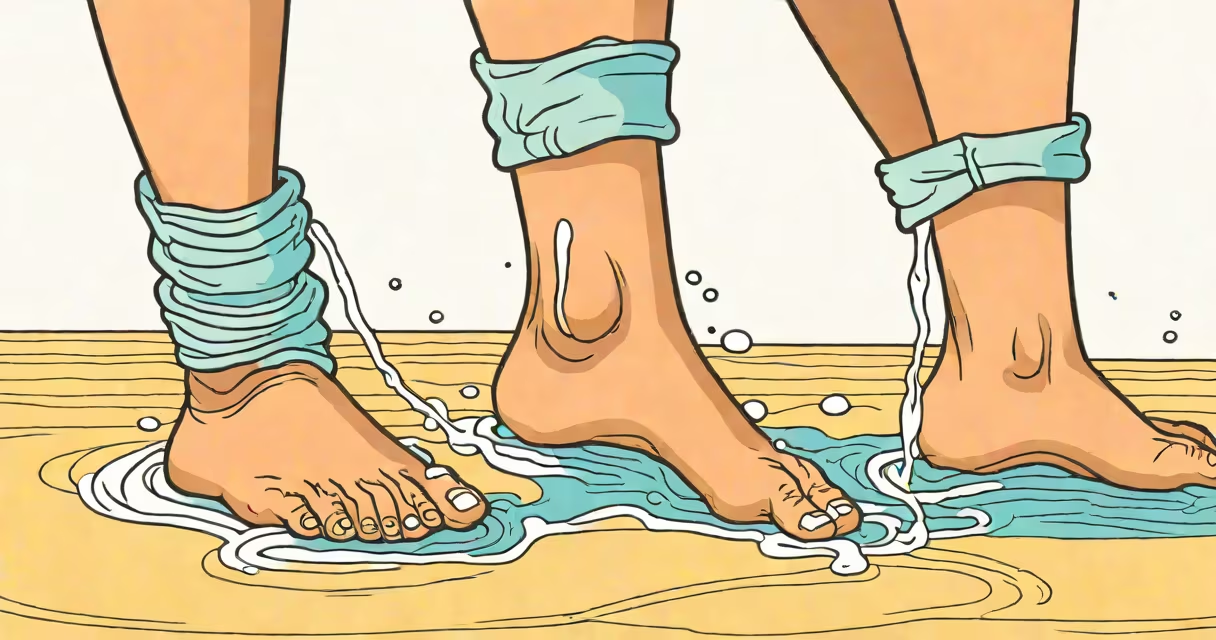
Fluid retention, medically known as edema, happens when excess fluid accumulates in tissues, especially in the legs, ankles, feet, or hands. It results from imbalances in fluid regulation by the kidneys, blood vessels, or hormones.
Edema appears as puffiness, tight skin, or visible swelling. It's often temporary, such as after standing too long or eating salty food. But persistent or sudden swelling may signal an underlying health issue requiring medical evaluation.
The body maintains fluid balance through the kidneys, blood vessels, and hormones like aldosterone and antidiuretic hormone (ADH). When this system fails, fluid leaks from capillaries into surrounding tissue.
Capillary pressure pushes fluid out under normal conditions. Normally, lymphatic drainage removes excess fluid. When pressure increases or drainage slows, fluid pools in tissues. This is why gravity affects swelling most in the lower limbs.
For example, a person who stands for 8 hours daily may notice foot swelling by evening. The pressure from standing forces fluid into the feet. Lying down or elevating the legs reduces swelling within hours as fluid redistributes.
Fluid retention falls into several categories based on origin:
| Type | Primary Cause | Typical Symptoms | When to See a Doctor |
|---|---|---|---|
| Peripheral edema | Heart failure, venous insufficiency, prolonged sitting/standing | Swelling in legs, ankles, feet; pitting (indent remains after pressing) | Swelling lasting more than 2 days; shortness of breath |
| Generalized edema | Kidney disease, liver cirrhosis, malnutrition | Bloating, swollen face, abdomen, or arms; weight gain | Unexplained weight gain; foamy urine |
| Medication-induced | Calcium channel blockers, NSAIDs, steroids | Swelling in hands, feet, face; rapid onset | Swelling begins after starting new medication |
| Hormonal | Menstrual cycle, pregnancy, thyroid disorders | Pre-menstrual bloating; facial puffiness; mild hand swelling | Swelling worsens monthly or during pregnancy |
One non-obvious fact: not all swelling is due to excess fluid. Some people mistake muscle swelling from exercise or inflammation from injury for fluid retention. True edema shows pitting-pressing the skin leaves a dent that takes seconds to fill back in.
A 2021 study in Journal of the American Society of Nephrology found that early-stage kidney disease often presents with subtle ankle swelling before lab tests show abnormal creatinine levels. This makes physical signs key for early detection.
Some conditions are frequently confused with fluid retention. For example, cellulitis-a bacterial skin infection-can cause red, warm, swollen skin that feels tight. Unlike edema, it doesn't pit and often involves fever or pain.
Pregnancy-related swelling is common but not always harmless. Preeclampsia, a serious condition affecting ~5% of pregnancies, includes high blood pressure and protein in the urine alongside swelling. Swelling that appears suddenly in the face or hands during pregnancy requires immediate evaluation.
I once observed a patient with unexplained leg swelling. Initial diagnosis was venous insufficiency. After ultrasound showed no clot, further testing revealed early-stage heart failure. His ejection fraction was 40%, below the normal 55%. Treating the heart condition resolved the swelling.
Seek medical attention if swelling is sudden, asymmetric, painful, or accompanied by:
According to the National Kidney Foundation, persistent edema is a red flag for chronic kidney disease. Early treatment can slow progression and prevent dialysis.
Simple lifestyle changes reduce fluid retention in many cases. Reducing salt intake to less than 2,300 mg per day (about 1 teaspoon) lowers sodium-driven fluid buildup. Increasing potassium-rich foods like bananas, spinach, and sweet potatoes supports natural fluid excretion.
For those with recurrent swelling, tracking daily weight and swelling patterns helps identify triggers. A log showing swelling after meals high in sodium or during certain phases of the menstrual cycle can guide dietary adjustments.
Understanding why you're retaining fluid begins with recognizing patterns. Not all swelling is dangerous-but ignoring persistent or worsening signs risks missing treatable conditions.