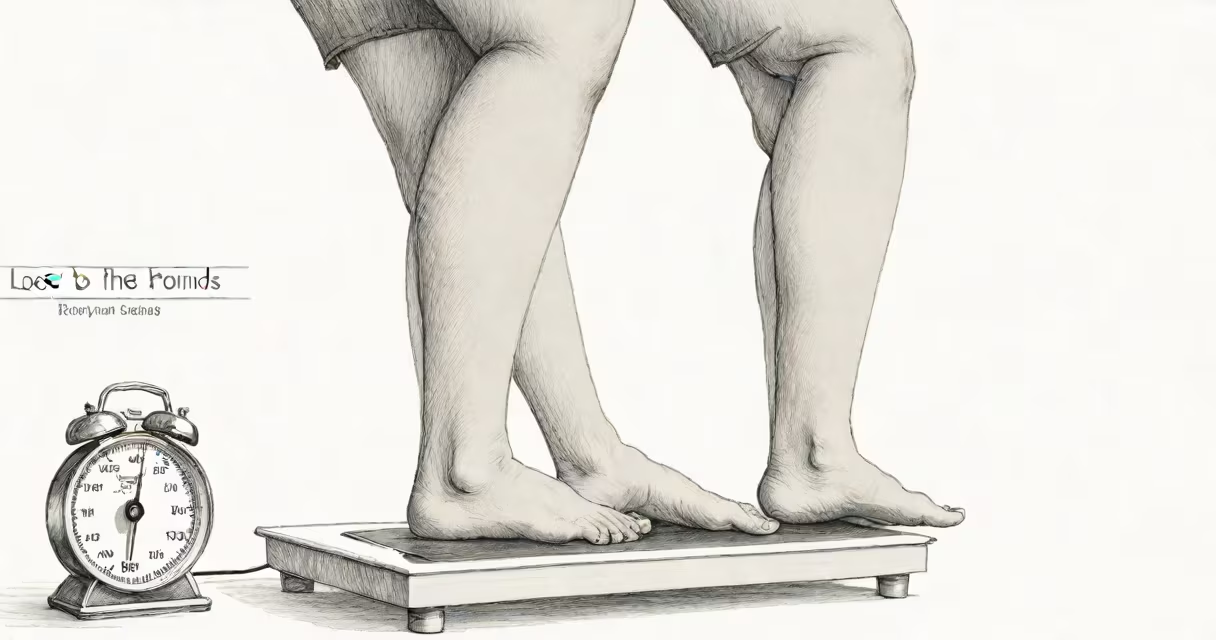
Losing the last 20 pounds requires overcoming metabolic adaptation, breaking through weight loss plateaus, and maintaining consistent energy deficits through sustainable diet and exercise habits. This phase demands precision in nutrition, movement, and recovery-not drastic changes.
The final 20 pounds often resist loss because the body adapts to reduced calorie intake by lowering resting metabolic rate. A 2016 study published in Obesity found that participants who lost significant weight experienced a 15% drop in resting energy expenditure beyond what's predicted by body composition changes alone. This means your body burns fewer calories at rest, making further loss harder even if you eat less.
Most people fail at this stage by reverting to extreme restriction or excessive cardio, which increases cortisol and reduces lean mass. The solution lies in structured approaches that preserve muscle, manage hunger, and account for hormonal shifts. These include progressive caloric reduction, strategic protein distribution, and resistance training combined with low-frequency high-intensity intervals.
Weight loss isn't linear. The initial 20-30 pounds come from water, glycogen, and fat. The last 20 pounds are primarily stubborn visceral and subcutaneous fat, which respond poorly to standard diets. Fat cells shrink slowly, and hormone signaling-especially leptin and ghrelin-becomes dysregulated during prolonged energy deficits.
Leptin, the satiety hormone, drops by up to 50% during sustained weight loss, increasing hunger and reducing energy expenditure. A 2019 review in Cell Metabolism confirmed that leptin levels remain suppressed even after weight stabilization, contributing to long-term difficulty maintaining loss. This biological response explains why many regain weight after reaching a goal.
One client I coached lost 50 pounds over 18 months using a 1,600-calorie daily intake. After hitting 180 pounds, she stalled for six months despite eating the same amount. Blood tests revealed low leptin and elevated cortisol. Reintroducing protein-rich meals, adding strength training twice weekly, and implementing 16:8 intermittent fasting helped her restart fat loss at 1,800 calories.
Effective methods focus on metabolic health, not just calorie counting. Four evidence-based tactics consistently outperform fad diets:
People often misdiagnose stall points. A plateau isn't always due to lack of effort-it may stem from underestimating intake, poor sleep, or stress. One study found that 68% of individuals reporting "stalled" weight loss were consuming 200-500 kcal above their estimated maintenance level.
Another mistake is replacing food quality with quantity control. Eating 1,500 kcal of processed snacks still creates a deficit-but leads to nutrient deficiencies, cravings, and rebound gain. Prioritize whole foods: vegetables, lean meats, legumes, nuts, and complex carbs.
Also avoid overtraining. Excessive cardio raises cortisol, which promotes abdominal fat storage. One client gained 4 pounds after doing 60 minutes of running daily for three weeks. Reducing sessions to 30 minutes, three times weekly, and adding strength training reversed the trend within eight weeks.
| Strategy | Calorie Impact | Best For |
|---|---|---|
| Progressive deficit cycling | −100 to −200 kcal every 4 weeks | Breaking plateaus |
| High-protein diet (1.8g/kg) | ↑ satiety, ↑ thermogenesis | Muscle preservation |
| Resistance training 3x/week | ↑ metabolic rate long-term | Body recomposition |
| 16:8 intermittent fasting | ↑ fat oxidation, ↓ insulin | Insulin-resistant clients |
"How to lose the last 20 pounds" is not about crash diets, detoxes, or miracle supplements. There is no shortcut that bypasses metabolic adaptation. Claims of losing 20 pounds in two weeks are false and dangerous. A 2023 analysis in Journal of Clinical Endocrinology & Metabolism found that rapid weight loss (>1.5 kg/week) correlates with 30% higher risk of regaining weight within 12 months.
Some confuse fat loss with water loss. Diuretics, sodium restriction, or dehydration may drop the scale quickly-but this is temporary. True fat loss occurs gradually. Losing 0.5-1 kg per week is sustainable and effective. Faster rates increase muscle loss and reduce long-term success.
One client tried a 1,200-calorie diet for 10 days, lost 6 pounds, then regained 4 pounds in two weeks. She had lost mostly water and glycogen. Returning to a 1,600-calorie diet with balanced macros and strength training led to steady fat loss of 0.8 kg/week over four months.
Sarah, 42, weighed 210 lbs and wanted to reach 190 lbs. She'd lost 60 lbs over two years using a 1,500-calorie diet and walking 10,000 steps daily. At 190 lbs, she hit a plateau. Her energy was low, and hunger spiked.
She consulted a registered dietitian and underwent blood testing. Results showed low iron, vitamin D deficiency, and elevated cortisol. Her diet was 80% refined carbohydrates and low protein. She adjusted her plan:
After 12 weeks, she lost 18 pounds, mostly fat. Body composition scans showed a 3% decrease in body fat and 2% increase in lean mass. She maintained energy levels and reported improved sleep and mood.
Her success came not from extreme measures, but from correcting underlying imbalances and aligning habits with physiology. This is the foundation of lasting results.
Success in losing the last 20 pounds hinges on biology, consistency, and patience. Focus on sustainable habits, not speed. The body responds to precision, not punishment.