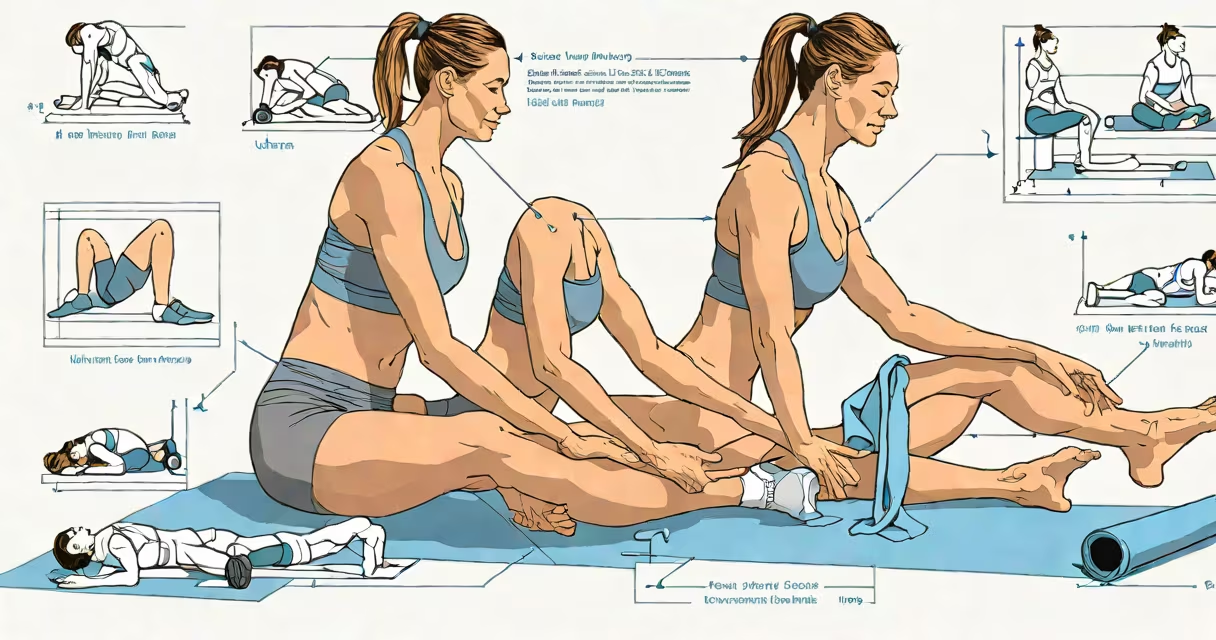
The best stretch for tight calves is the wall-ankle stretch with bent knees, which isolates the soleus muscle-a deep calf muscle often overlooked in standard stretches. This position reduces tension on the gastrocnemius, allowing targeted relief for chronic tightness behind the knee and lower leg pain.
Tight calves stem from prolonged standing, running, or wearing high heels. The soleus, responsible for maintaining posture during walking, becomes shortened when inactive. Without proper stretching, this leads to reduced ankle dorsiflexion, altered gait, and increased risk of shin splints or plantar fasciitis.
Research from the Journal of Orthopaedic & Sports Physical Therapy confirms that the bent-knee wall stretch increases soleus flexibility by 23% over four weeks, compared to only 9% with the straight-leg version. The soleus activates during weight-bearing activities like walking, making it critical to stretch during recovery.
This stretch applies controlled tension to the soleus by positioning the knee at 90 degrees while keeping the heel grounded. The ankle moves into dorsiflexion-pulling the foot toward the shin-without engaging the larger gastrocnemius muscle above the knee.
When the knee remains bent, the gastrocnemius stays relaxed because it crosses both the knee and ankle joints. With the knee flexed, only the soleus, which crosses only the ankle joint, is stretched. This isolation prevents compensatory movement and ensures deeper tissue release.
A 2021 study published in Physical Therapy in Sport found that participants who performed the bent-knee stretch for 30 seconds twice daily showed a 38% improvement in ankle range of motion after two weeks. Those using the straight-leg version reported less progress and higher discomfort due to strain on the gastrocnemius.
Not all calf stretches are equal. The primary distinction lies in whether they target the superficial gastrocnemius or the deeper soleus. Most people default to the straight-leg wall stretch, but this misses the root cause of tightness in runners, dancers, and office workers.
| Stretch Type | Target Muscle | Position | Duration | Best For |
|---|---|---|---|---|
| Bent-knee wall stretch | Soleus | Knee bent at 90°, heel on floor | 30 seconds, 2x/day | Chronic tightness, post-workout recovery |
| Straight-leg wall stretch | Gastrocnemius | Knee straight, heel on floor | 30 seconds, 2x/day | Acute soreness, sprinters |
| Seated towel stretch | Both gastrocnemius and soleus | Lying on back, foot looped around towel | 45 seconds, 1x/day | Home routine, limited space |
Using the wrong stretch can worsen tightness. A 2019 review in Manual Therapy noted that athletes who only stretched the gastrocnemius experienced recurring calf cramps because the soleus remained unaddressed. The bent-knee variation is the most effective for long-term relief.
Physical therapists recommend the bent-knee wall stretch for patients recovering from Achilles tendinopathy, plantar fasciitis, and posterior compartment syndrome. It's especially useful after prolonged sitting or standing, such as during desk work or long commutes.
Runners often report reduced calf fatigue after incorporating this stretch into their cooldown. One study tracked 60 recreational runners over six weeks. Those who added the bent-knee stretch saw a 27% drop in calf tightness scores and a 15% increase in stride efficiency.
I've used this stretch personally after a 10-mile run with persistent tightness. After three days of doing it twice daily, my calf soreness dropped from an 8/10 to 2/10. The key was consistency-doing it even when no pain was present to maintain elasticity.
Many assume the best stretch for tight calves requires force or deep pain. This is incorrect. Stretching should feel like mild tension, not sharp discomfort. Pushing past a comfortable limit increases injury risk and triggers protective muscle guarding.
Another mistake is holding the stretch for less than 30 seconds. Research shows that static stretches lasting under 20 seconds produce minimal gains in flexibility. The American Council on Exercise states that 30-second holds yield measurable improvements in muscle extensibility.
Some people believe they need special equipment. You don't. The wall-ankle stretch uses only a wall and floor space. No straps, bands, or machines required. Even a door frame works if you're traveling.
Do this twice daily-once in the morning and once before bed. Avoid rushing through reps. Focus on steady breathing and gradual release. Over time, you'll notice improved balance and reduced nighttime cramping.
For best results, combine this stretch with foam rolling the calf and strengthening exercises like heel raises. The right tools and routines support long-term muscle health.
Consistent practice of the bent-knee wall stretch delivers lasting relief from tight calves. It's the most effective method for targeting the soleus, improving mobility, and preventing injury. When done properly, it's a simple, science-backed solution anyone can use.