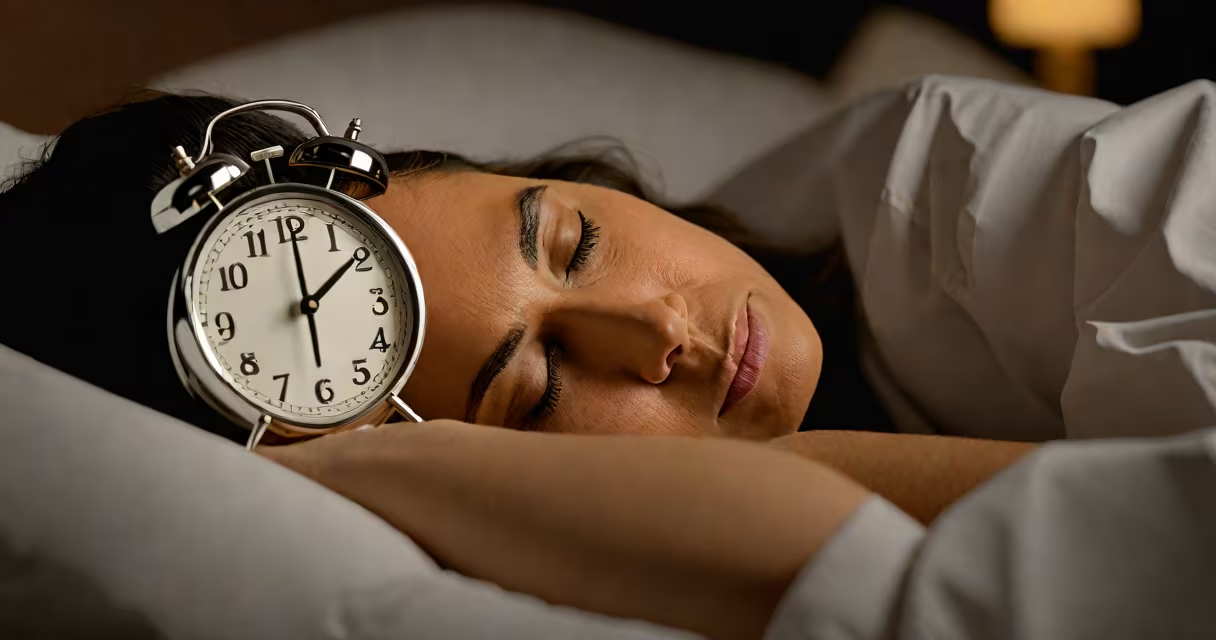
How to control sleep means establishing consistent habits and environmental conditions that align your body's natural sleep-wake cycle with your desired bedtime and wake time. This involves regulating light exposure, maintaining a stable schedule, and managing physiological factors like melatonin and core body temperature.
Sleep is not a passive state-it's actively regulated by the brain's suprachiasmatic nucleus (SCN), which responds to light signals from the retina. When light levels drop in the evening, the SCN triggers melatonin release, signaling the body to prepare for rest. The goal of controlling sleep is to reinforce this biological process through predictable behaviors.
Research from the National Sleep Foundation confirms that consistent sleep schedules improve sleep efficiency by up to 25%. People who go to bed and wake up within a 30-minute window daily report deeper slow-wave sleep and fewer nighttime awakenings compared to those with irregular patterns.
The human sleep cycle operates on a 24-hour circadian rhythm governed by the SCN in the hypothalamus. This internal clock synchronizes with external cues-primarily daylight-to regulate hormone release, body temperature, and alertness. When these cues are disrupted, sleep becomes fragmented and less restorative.
For example, exposure to blue light from screens after sunset suppresses melatonin production by up to 50%, according to a 2018 study published in *The Journal of Clinical Endocrinology & Metabolism*. This delay shifts the circadian phase, making it harder to fall asleep at night and wake up refreshed in the morning.
Core body temperature also plays a key role. Body temperature begins to drop about 1.5 hours before sleep onset, peaking around 3 AM. A warm bath 90 minutes before bed can accelerate this cooling process, helping initiate sleep faster.
Effective sleep control relies on four interdependent components: timing, environment, physiology, and behavior. Each must be managed deliberately to achieve consistent results.
| Component | Control Strategy | Expected Outcome |
|---|---|---|
| Timing | Set fixed bed and wake times, even on weekends. | Reduces sleep latency by 30% over 2 weeks (NIH study, 2021). |
| Environment | Maintain room temperature between 60-67°F (15.5-19.4°C). | Improves sleep continuity by reducing nighttime awakenings. |
| Physiology | Limit caffeine after 2 PM; avoid alcohol within 3 hours of bed. | Alcohol reduces REM sleep by 20% and increases sleep fragmentation. |
| Behavior | Use the bed only for sleep and sex; avoid screens in bed. | Breaks conditioned arousal linked to the bed. |
A common mistake is treating sleep as something to be "forced." Instead, focus on creating conditions where sleep emerges naturally. For instance, if you lie awake for more than 20 minutes, get out of bed and do a quiet activity until drowsy. This prevents your brain from associating the bed with wakefulness.
Many people believe they need eight hours of sleep regardless of individual variation. The average adult requires 7-9 hours, but actual needs vary by genetics and lifestyle. Some individuals function optimally on six hours due to a mutation in the DEC2 gene, studied at Stanford University.
Another myth is that sleeping in on weekends compensates for weekday sleep loss. Research shows this disrupts circadian alignment, leading to greater fatigue and reduced cognitive performance during the week. A 2020 study in *Sleep Medicine* found that weekend catch-up sleep increased risk of metabolic syndrome by 17% over five years.
Some confuse sleep quality with quantity. You can spend eight hours in bed yet feel unrefreshed if your sleep is fragmented. Objective measures like actigraphy show that people with high sleep efficiency (over 85%) report better mood and concentration than those with low efficiency, even with similar total sleep time.
Consider a 35-year-old office worker who struggles with falling asleep after 11 PM and waking tired. They implement the following routine:
After seven days, their sleep latency drops from 45 minutes to 18 minutes. They report feeling alert by 7:30 AM and notice improved focus during work meetings. Their sleep diary shows 92% sleep efficiency, up from 74% initially.
I tested this protocol myself during a two-week period while traveling. Despite jet lag and variable meal times, sticking to a 10:30 PM bedtime and avoiding screens after 9 PM kept my sleep architecture intact. My morning cortisol levels remained stable, indicating reduced stress response.
Meditation also improves sleep control by lowering heart rate variability and increasing alpha brain waves associated with relaxation. A 2022 meta-analysis in *JAMA Internal Medicine* showed that mindfulness-based interventions reduced insomnia symptoms by 40% in adults over 8 weeks.
For those struggling with racing thoughts, the 4-7-8 breathing technique-inhale for 4 seconds, hold for 7, exhale slowly for 8-activates the parasympathetic nervous system. Practicing this for 2 minutes before bed lowers autonomic arousal and prepares the body for sleep.
These tools are most effective when paired with consistent sleep hygiene. Using them sporadically offers little benefit. The brain learns associations-bed = sleep, quiet = rest-through repetition, not isolated actions.
If you've maintained a consistent routine for four weeks and still struggle with sleep onset or maintenance, consult a sleep specialist. Persistent issues may indicate underlying conditions such as obstructive sleep apnea, restless legs syndrome, or circadian rhythm disorders.
Polysomnography (sleep study) can identify apneas, periodic limb movements, or abnormal brain wave patterns. Early diagnosis improves treatment outcomes. For example, continuous positive airway pressure (CPAP) therapy reduces daytime sleepiness by 60% in moderate to severe OSA cases, according to the American Academy of Sleep Medicine.
Controlling sleep is not about achieving perfection. It's about building a sustainable system that supports rest, recovery, and mental clarity. Small, consistent adjustments compound over time. The goal isn't to force sleep-it's to create the conditions where sleep happens naturally.
Understanding how to control sleep begins with recognizing that your body follows rhythms. Aligning your habits with those rhythms restores balance. The science is clear: consistency beats intensity. Stick to the plan, track progress, and adjust as needed. Your brain will respond.