House air pollution refers to the buildup of airborne contaminants inside enclosed living spaces, including dust, mold spores, volatile organic compounds (VOCs), pet dander, and fine particulate matter. These pollutants often accumulate at higher concentrations indoors than outdoors, with some studies showing indoor levels 2 to 5 times greater than outdoor levels.
Indoor environments trap pollutants due to limited airflow and the presence of materials that emit toxins over time. Common sources include cleaning products, new furniture, carpets, paints, and poorly maintained heating systems. The U.S. Environmental Protection Agency (EPA) identifies house air pollution as one of the top five environmental health risks in the United States.
Exposure to poor indoor air quality contributes to respiratory issues, allergic reactions, headaches, fatigue, and long-term conditions such as asthma and cardiovascular disease. Children, older adults, and people with existing health conditions are especially vulnerable.
Contaminants enter homes through multiple pathways. Outdoor air brings in pollen, vehicle emissions, and industrial pollutants, which then settle indoors. Once inside, they mix with indoor-generated pollutants. For example, cooking releases nitrogen dioxide and fine particles, while smoking introduces over 7,000 chemicals, many toxic.
Materials used in construction and furnishings continuously off-gas VOCs. Formaldehyde, a known carcinogen, is released from pressed wood products like particleboard and plywood used in cabinets and flooring. A single new bookshelf can emit formaldehyde at levels exceeding EPA safety thresholds for extended periods.
Moisture promotes microbial growth. Humidity above 60% encourages mold development, which produces spores and mycotoxins. A leaky roof or damp basement can lead to hidden mold colonies behind walls, undetected until symptoms appear.
The most common indoor pollutants fall into four categories: biological, chemical, particulate, and combustion byproducts.
| Pollutant Type | Common Sources | Health Impact |
|---|---|---|
| Biological | Mold, dust mites, pet dander, cockroach waste | Allergies, asthma attacks, sinus infections |
| Chemical | Cleaning sprays, air fresheners, new furniture, paint | Headaches, eye irritation, long-term organ damage |
| Particulate Matter (PM) | Smoking, cooking, vacuuming, outdoor infiltration | Lung inflammation, reduced lung function, heart strain |
| Combustion Byproducts | Gas stoves, fireplaces, space heaters | Carbon monoxide poisoning, nitrogen dioxide exposure |
One non-obvious fact: VOC levels peak within the first 6 months after installation of new carpeting or cabinetry. A study published in *Environmental Science & Technology* found that formaldehyde emissions from new laminate flooring dropped by 70% over 12 months but remained above safe limits for up to 3 years.
House air pollution affects everyone, regardless of location. Even homes in rural areas with low outdoor pollution can have high indoor levels due to sealed windows, synthetic materials, and modern lifestyles. Urban homes face additional challenges from traffic-related pollutants that infiltrate through gaps in windows and doors.
People spend about 90% of their time indoors, according to the EPA. This prolonged exposure increases cumulative risk. A 2021 study in *The Lancet Planetary Health* linked long-term indoor PM2.5 exposure to a 15% higher risk of premature death, independent of outdoor air quality.
One personal observation: After installing a new HVAC system in my 1980s-era home, I noticed increased nasal congestion and dry eyes. Testing revealed elevated levels of phthalates-plasticizers used in vinyl duct lining-indicating that upgrading systems without checking material safety can worsen indoor air quality.
Many assume that a clean-looking home equals good air quality. Dust accumulation is visible, but invisible pollutants like radon gas or ultrafine particles (smaller than 0.1 microns) pose greater health risks. Radon, a naturally occurring radioactive gas, causes over 20,000 lung cancer deaths annually in the U.S., yet fewer than 1 in 5 homes are tested.
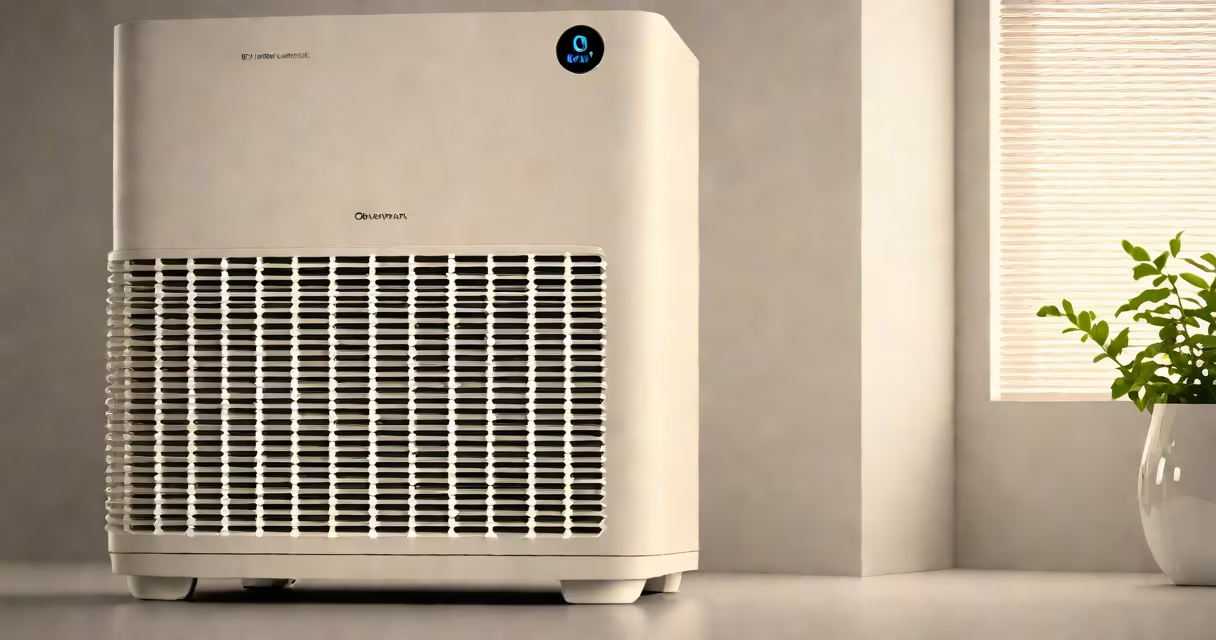
Another misconception: Air purifiers fix all indoor air problems. While HEPA filters effectively capture PM2.5 and allergens, they do nothing against gases like carbon monoxide or VOCs unless paired with activated carbon. A 2020 review in *Indoor Air* found that standalone HEPA units reduced particulate levels by 60-80%, but had no measurable effect on VOC concentrations.
Also, opening windows doesn't always improve air quality. During high pollen seasons or in cities with heavy traffic, outdoor air can bring in more pollutants than it removes. The American Lung Association recommends using mechanical ventilation systems with filtration when outdoor AQI exceeds moderate levels.
Use a portable air quality monitor to track real-time levels of PM2.5, CO2, VOCs, and humidity. Devices like the Awair Element or AirVisual Pro provide continuous feedback and historical data. Set alerts when CO2 exceeds 1,000 ppm (linked to drowsiness and impaired decision-making).
Simple actions reduce exposure: increase ventilation during cooking, use exhaust fans, replace HVAC filters monthly, and avoid scented candles and plug-in air fresheners. Replace old carpets with low-VOC alternatives and seal gaps around windows and doors to limit outdoor infiltration.
For persistent issues, consider professional testing. The EPA's Indoor Air Quality Tools for Schools program offers free guidance on identifying and correcting indoor hazards. If mold is suspected, hire a certified inspector-do not attempt removal without protective gear.
House air pollution is not a rare condition-it is a daily reality in most homes. Awareness and action are the first steps toward cleaner, safer indoor environments.