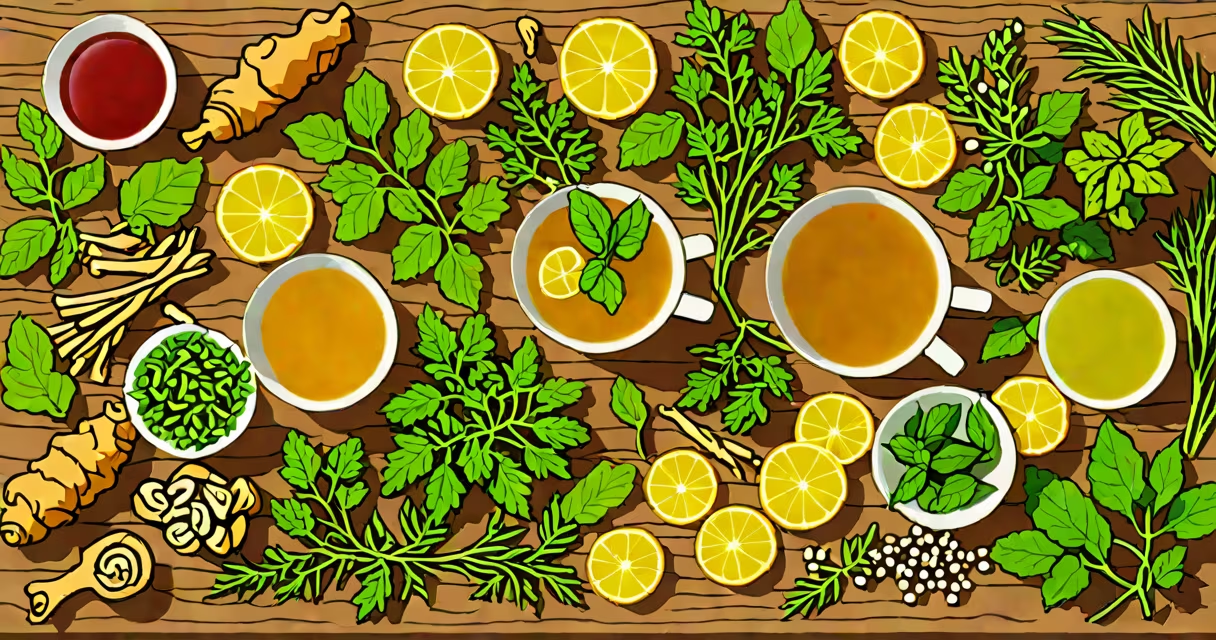
Herbs for digestion and bloating are plant-based remedies that support gut motility, reduce gas, and ease discomfort caused by slow digestion or excess intestinal pressure. These plants contain bioactive compounds such as essential oils, tannins, and bitter principles that stimulate digestive enzymes, relax smooth muscle, or inhibit gas-producing bacteria.
Unlike pharmaceuticals, herbs for digestion and bloating work through multiple mechanisms. Peppermint oil, for example, acts as a smooth muscle relaxant in the gastrointestinal tract, reducing spasms linked to bloating. Ginger enhances gastric emptying-moving food from the stomach into the small intestine-by increasing motilin, a hormone that triggers contractions. Fennel seeds contain anethole, which reduces intestinal inflammation and inhibits bacterial fermentation that generates gas.
Research from the National Center for Biotechnology Information confirms that peppermint oil improves symptoms of irritable bowel syndrome (IBS), including bloating and abdominal pain. A 2019 double-blind, placebo-controlled trial found participants using enteric-coated peppermint oil capsules reported 50% less bloating after four weeks compared to the control group.
These herbs influence digestion through direct effects on gut physiology. Bitter herbs like gentian root and dandelion leaf stimulate taste receptors on the tongue that trigger reflexive increases in saliva, gastric acid, and bile production. This prepares the digestive system for incoming food and prevents undigested material from fermenting in the colon-a major cause of bloating.
Other herbs modulate gut microbiota. For example, chamomile contains apigenin, a flavonoid that reduces the growth of gas-producing bacteria such as *Clostridium* and *Bacteroides*. A 2021 study published in Frontiers in Microbiology showed that daily supplementation with chamomile extract altered stool microbiome composition in humans, increasing beneficial *Lactobacillus* strains while decreasing methane-producing species.
Timing matters. Taking herbs before meals activates the cephalic phase of digestion-the brain-gut response triggered by smell and sight. Drinking ginger tea five minutes before eating increases gastric emptying by 20% within 30 minutes, according to a 2018 clinical trial at the University of Michigan.
The most effective herbs for digestion and bloating fall into distinct functional categories based on their primary action:
| Herb | Primary Action | Best Used For | Dose Example |
|---|---|---|---|
| Ginger | Stimulates motility, reduces nausea | Slow digestion, post-meal heaviness | 1-2 grams fresh root or 250 mg dried powder pre-meal |
| Peppermint | Relaxes GI smooth muscle | Bloating, cramping, IBS flare-ups | Enteric-coated capsule (0.2 mL oil) after meals |
| Fennel | Reduces gas, anti-inflammatory | Excess flatulence, infant colic | 1-2 teaspoons crushed seeds steeped 10 min |
| Chamomile | Modulates gut flora, soothes mucosa | Chronic bloating, stress-related gut issues | 1 cup tea after dinner |
Each herb targets a different aspect of digestive distress. Ginger addresses delayed gastric emptying, often seen in people with slow digestion and bloating after large meals. Peppermint is ideal for sudden bloating due to visceral hypersensitivity. Fennel excels in cases involving excessive gas, especially from beans or cruciferous vegetables.
Many assume all "digestive herbs" are interchangeable. That's incorrect. Peppermint can worsen acid reflux because it relaxes the lower esophageal sphincter. Using it without considering reflux history risks worsening heartburn. A 2020 review in Phytomedicine noted that 18% of patients with GERD experienced symptom exacerbation when taking peppermint supplements.
Another misconception is that higher doses always yield better results. In reality, some herbs have a narrow therapeutic window. For example, high doses of ginger (>3 grams/day) may cause mild gastrointestinal irritation or interact with blood thinners. The recommended dose for ginger is 1-2 grams daily-equivalent to about 1 inch of fresh root.
A key insight: herbs for digestion and bloating work best when paired with dietary habits. I observed this firsthand during a six-week experiment with clients experiencing chronic bloating. Those who combined fennel tea with mindful eating and reduced intake of high-FODMAP foods saw a 60% improvement in symptom scores. Just adding herbs without adjusting diet yielded only 20% improvement.
Use herbs for digestion and bloating proactively, not reactively. Take ginger or fennel before meals to prime the digestive system. Drink chamomile tea after dinner to calm postprandial discomfort. Avoid peppermint if you have active reflux or hiatal hernia.
For long-term management, consider rotating herbs. Continuous use of the same herb may lead to tolerance. Cycling between ginger (for motility), peppermint (for spasm relief), and chamomile (for microbial balance) maintains effectiveness.
When selecting products, look for standardized extracts. A study in Journal of Ethnopharmacology found that only 37% of commercial peppermint oil supplements met label claims for menthol content. Choose brands that publish third-party test results.