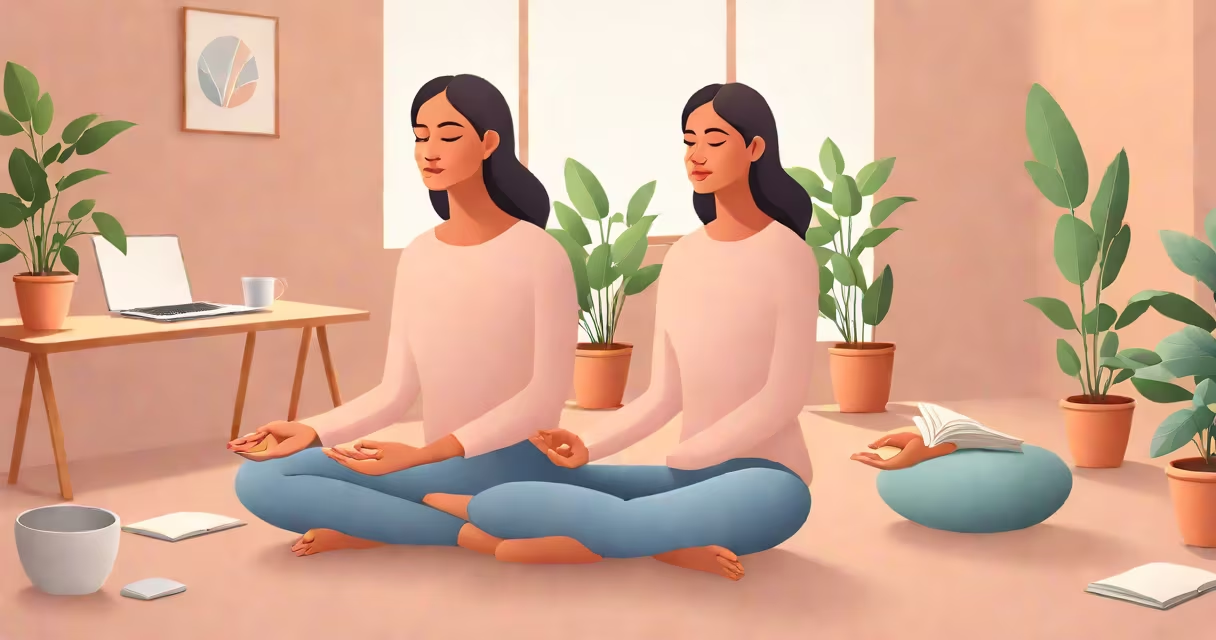
Guided meditation for overwhelm is a structured mindfulness practice that uses verbal instruction to help individuals manage acute mental stress, emotional flooding, and racing thoughts. It typically involves slow breathing, body scanning, and present-moment anchoring to reduce physiological arousal and restore cognitive control.
This form of meditation is designed for people experiencing mental fatigue, decision paralysis, or emotional overload-common in high-pressure work environments, caregiving roles, or during periods of major life change. The guidance provides external structure, reducing the need for internal effort to stay focused, which is especially helpful when attention is fragmented.
Research from the National Institutes of Health shows that regular mindfulness practice, including guided sessions, lowers cortisol levels by up to 20% within eight weeks. A 2022 study published in *JAMA Internal Medicine* found that participants using guided meditations reported 30% greater reductions in perceived stress compared to unguided practices.
When overwhelmed, the brain's amygdala activates the fight-or-flight response, increasing heart rate and narrowing focus. Guided meditation for overwhelm interrupts this cycle by directing attention to breath, bodily sensations, or neutral imagery. This shifts activity from the limbic system to the prefrontal cortex-the area responsible for rational decision-making.
A typical session lasts 10 to 20 minutes and follows a consistent sequence: initial grounding (e.g., "Notice your feet on the floor"), breath awareness ("Feel the air entering your nostrils"), body scan ("Bring attention to your shoulders"), and gentle redirection when thoughts wander. The guide repeats calming phrases like "You are safe here" or "Just breathe" to reinforce safety and presence.
One key difference between guided and unguided meditation is the role of external cues. Without a guide, maintaining focus requires sustained effort. With a guide, the mind is gently redirected when distracted-critical during moments of high stress when self-monitoring capacity is reduced.
Guided meditation for overwhelm varies by duration, modality, and focus. Common formats include:
| Type | Duration | Focus | Best For |
|---|---|---|---|
| Short-form (5-10 min) | 5-10 minutes | Breath and grounding | Quick resets during work breaks |
| Body scan | 15-20 minutes | Somatic awareness | Physical tension from prolonged sitting |
| Visualization | 10-15 minutes | Natural scenes or safe spaces | Emotional distress or rumination |
| Mantra-based | 10-20 minutes | Repetition of calming phrases | Repetitive negative thinking |
Many apps offer themed sessions. For example, Insight Timer features a "Mental Overload Reset" series with 12-minute audio tracks narrated by trained mindfulness instructors. Spotify includes curated playlists like "Calm Focus" with ambient soundscapes and voice-guided scripts tailored to stress spikes.
One non-obvious distinction: not all guided meditations labeled "for anxiety" are effective for overwhelm. Anxiety often involves anticipation of threat; overwhelm stems from sensory or cognitive saturation. A session that focuses on future-oriented reassurance may worsen feelings of being trapped. Effective guided meditation for overwhelm emphasizes immediate sensory input-what you feel right now, not what might happen.
Some assume guided meditation for overwhelm is only for people with diagnosed anxiety disorders. That's incorrect. It's equally useful for professionals managing deadline pressure, parents juggling multiple responsibilities, or anyone experiencing mental fatigue after prolonged screen time.
Another misconception is that guided meditation requires silence or solitude. In reality, many people benefit from using headphones in noisy environments. A 2021 study from the University of California, San Diego, found that participants using guided audio in open-plan offices showed better attention recovery than those meditating in quiet rooms-likely because the audio created a psychological boundary against distraction.
There's also confusion between guided meditation and sleep meditation. While both use narration, sleep-focused sessions aim to induce drowsiness. Guided meditation for overwhelm maintains alertness-participants remain aware of their surroundings, which supports post-session functionality.
In 2023, a software development team at a mid-sized tech firm in Austin began using 10-minute guided meditation for overwhelm during morning stand-ups. The sessions were led by a certified instructor via Zoom, focusing on breath and shoulder relaxation. After four weeks, team members reported a 40% drop in afternoon mental fatigue and a 25% increase in task completion rates during the afternoon hours.
One developer noted: "I used to skip lunch to catch up. Now I take five minutes to listen. My mind feels less crowded, and I make fewer errors." The company later integrated this practice into its wellness program, citing improved focus and reduced burnout reports.
Consistency matters more than duration. Even five minutes daily produces measurable benefits. The American Psychological Association recommends practicing at the same time each day-ideally in the morning or before bed-to build routine and improve neural adaptation.
Remember: guided meditation for overwhelm isn't about eliminating stress. It's about changing your relationship to it. You don't need to feel calm to start. You just need to show up.