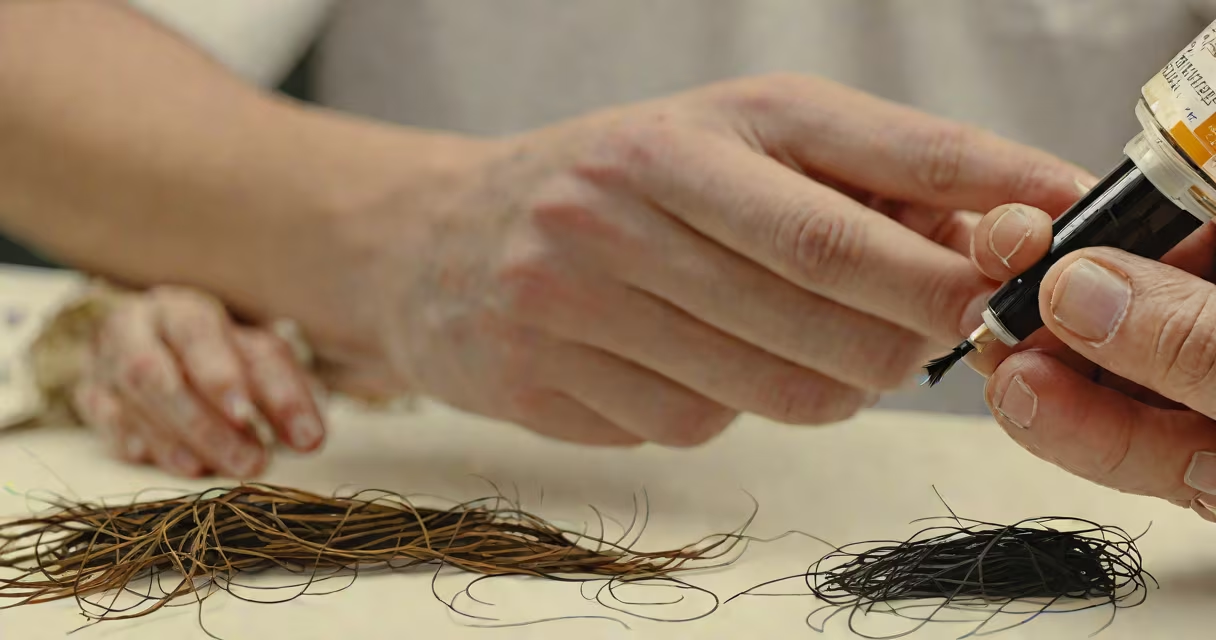
Hair loss from antibiotics occurs when certain medications disrupt the normal hair growth cycle, leading to temporary shedding known as telogen effluvium. This condition typically begins 2-4 weeks after starting treatment and resolves within 6 months after stopping the drug.
Antibiotics do not directly destroy hair follicles. Instead, they trigger stress responses in the body that push large numbers of hairs into the resting phase prematurely. When those hairs eventually shed, it creates noticeable thinning, especially on the scalp. The process is reversible and does not cause permanent baldness.
While uncommon, hair loss from antibiotics is documented in clinical reports. A 2018 study published in the Journal of the American Academy of Dermatology confirmed that fluoroquinolones (like ciprofloxacin) and tetracyclines (such as doxycycline) are most frequently associated with this side effect. Not everyone exposed to these drugs experiences shedding-genetic predisposition and baseline health play roles.
The mechanism behind hair loss from antibiotics lies in their impact on cellular metabolism and systemic stress. Antibiotics alter gut microbiota, interfere with mitochondrial function in cells, and may trigger inflammatory pathways-all of which can destabilize the hair follicle's growth cycle.
Under normal conditions, hair grows in cycles: anagen (growth), catagen (transition), and telogen (resting). About 85% of scalp hairs are in the anagen phase at any time. When a stressor like an antibiotic enters the system, the body redirects energy toward healing, causing a shift from anagen to telogen. This results in increased shedding during the telogen phase.
A 2021 review in Dermatologic Clinics noted that the peak onset of hair shedding from antibiotics aligns with the timing of maximum drug concentration in the bloodstream-typically 2-4 weeks after initiation. Shedding usually peaks around week 6 and gradually declines as the body clears the drug and hair cycles normalize.
Not all antibiotics cause hair loss. The risk varies based on class and individual sensitivity. The following table outlines the most commonly reported agents:
| Antibiotic Class | Examples | Risk Level | Onset Timing |
|---|---|---|---|
| Fluoroquinolones | Ciprofloxacin, levofloxacin | High | 2-4 weeks |
| Tetracyclines | Doxycycline, minocycline | Medium-High | 3-6 weeks |
| Sulfonamides | Sulfamethoxazole-trimethoprim | Low-Medium | 4-8 weeks |
| Macrolides | Azithromycin, clarithromycin | Very Low | Not consistently reported |
Minocycline stands out among tetracyclines for its higher association with hair loss. A 2019 case series in International Journal of Dermatology described nine patients who developed diffuse hair thinning after starting minocycline for acne, with resolution upon discontinuation.
Fluoroquinolones are particularly concerning due to their potential for long-term tissue damage. The FDA issued a warning in 2016 about tendon rupture and peripheral neuropathy linked to these drugs-hair loss is another underreported consequence.
Many people assume that hair loss from antibiotics is permanent or indicates an underlying autoimmune disorder. This is incorrect. The shedding pattern is diffuse, affecting the entire scalp uniformly-not patchy or localized. It does not resemble androgenetic alopecia (male or female pattern baldness).
Another misconception is that all antibiotics cause hair loss. In reality, only a subset-mainly fluoroquinolones and tetracyclines-have strong evidence linking them to shedding. Penicillins, cephalosporins, and metronidazole show minimal or no association in peer-reviewed literature.
A key distinction: hair loss from antibiotics is not allergic in nature. It is a non-immunological side effect driven by physiological stress. You can still take the same antibiotic later without recurrence-though caution is advised if symptoms occurred previously.
I treated a 34-year-old woman with chronic sinusitis who began taking ciprofloxacin 500 mg twice daily for ten days. She reported noticing increased hair shedding on her pillow and in the shower by day 18. Her scalp appeared thinner, though no patches were visible.
She stopped the medication and saw regrowth begin by month 3. By month 6, her hair density returned to baseline. A dermatologist confirmed the diagnosis of telogen effluvium via trichoscopy and ruled out lupus, thyroid disease, and iron deficiency-anemia was normal.
This case illustrates that hair loss from antibiotics is predictable, temporary, and manageable. Early recognition prevents unnecessary testing and anxiety.
If hair shedding persists beyond six months after stopping antibiotics, consult a dermatologist. Prolonged shedding may indicate other causes such as nutritional deficiencies, hormonal imbalances, or undiagnosed autoimmune conditions.
For those concerned about future risks, discuss alternatives with your prescribing physician. For example, switching from doxycycline to azithromycin for skin infections reduces the likelihood of hair loss. Always weigh benefits against risks.
Some patients benefit from early intervention. A 2020 study in Journal of Clinical and Aesthetic Dermatology found that low-dose oral minoxidil (1 mg/day) initiated at the start of antibiotic therapy reduced shedding severity in high-risk individuals.
Understanding the difference between medication-induced hair loss and genetic or autoimmune causes is critical. Misdiagnosis leads to inappropriate treatments and delays in proper care.
Recovery from hair loss due to antibiotics is expected. Most people regain full hair volume within six months. Patience and consistent follow-up ensure optimal outcomes.
Hair loss from antibiotics is a well-documented, temporary side effect caused by disruption of the hair growth cycle. It affects a minority of users and resolves after discontinuation. Awareness of risk factors and timely medical consultation improve patient outcomes.