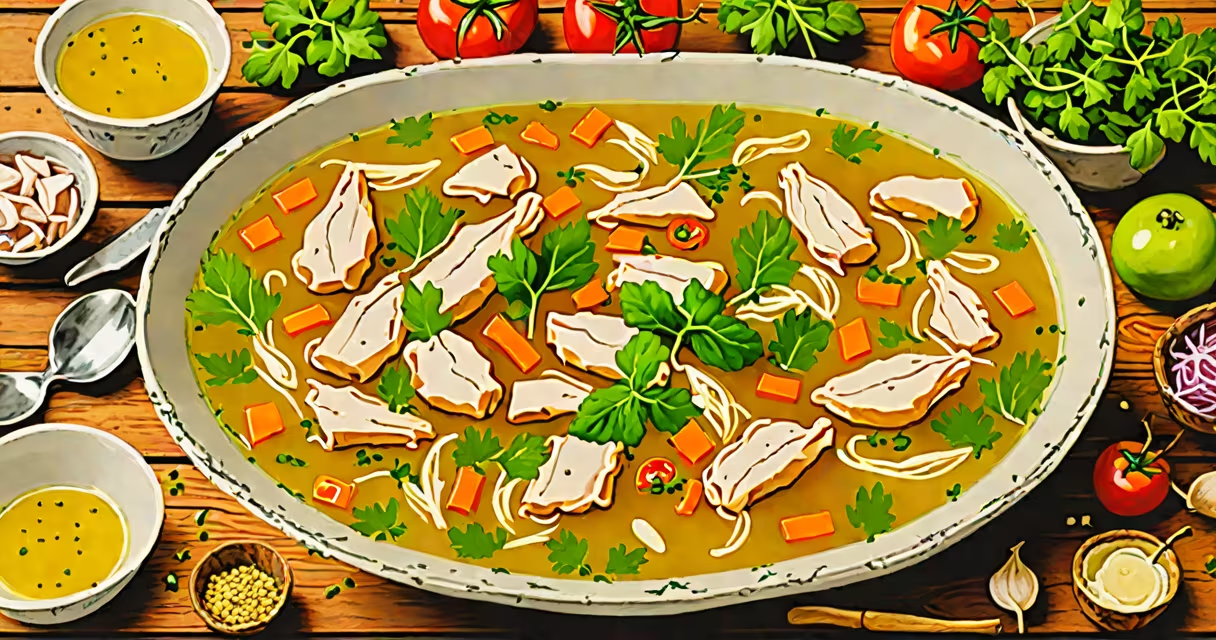
Specific foods can reduce symptom duration, ease discomfort, and support immune function during illness. These include warm broths, easily digestible carbohydrates, and nutrient-dense options that align with physiological needs during infection.
When you're unwell, your body shifts energy toward fighting pathogens. This metabolic demand increases need for hydration, electrolytes, and key micronutrients like vitamin C, zinc, and B vitamins. Foods that deliver these efficiently-without irritating the digestive tract-help maintain strength and speed recovery.
Research shows that certain food components directly influence immune cell activity. For example, glycine in bone broth reduces inflammation markers, while ginger's gingerol compounds inhibit pro-inflammatory pathways linked to nausea and fever. These aren't anecdotal-they're backed by clinical trials and nutritional biochemistry.
Your immune system relies on rapid access to fuel and building blocks. During illness, appetite often drops, but nutrient absorption remains critical. Foods that are low in fiber, mild in flavor, and rich in electrolytes-like sodium, potassium, and magnesium-support gut function even when digestion slows.
For instance, clear soups with broth base provide hydration and sodium, which helps prevent dehydration-related fatigue. A 2016 study published in Frontiers in Immunology found that oral intake of balanced electrolyte solutions reduced recovery time in viral gastroenteritis by 1.8 days compared to placebo.
Some foods contain compounds that modulate immune signaling. Garlic contains allicin, which has demonstrated antiviral effects in lab studies. While human trials are limited, consistent dietary exposure correlates with lower incidence of upper respiratory infections in observational cohorts.
Not all comfort foods are equally helpful. The most beneficial fall into three categories: hydration-focused, anti-inflammatory, and nutrient-dense.
| Type | Examples | Why it works |
|---|---|---|
| Hydration-rich liquids | Broth-based soups, herbal teas, coconut water | Replace fluids lost through fever or sweating; sodium supports fluid retention |
| Anti-inflammatory | Ginger tea, turmeric-infused broth, garlic sautéed in olive oil | Reduce cytokine production linked to muscle aches and fatigue |
| Nutrient-dense, gentle on gut | Boiled rice, mashed potatoes, bananas, applesauce | Provide glucose without stressing the gut; bananas supply potassium |
One common misconception is that "starving" a fever speeds recovery. This is false. A 2020 review in The American Journal of Clinical Nutrition concluded that patients who consumed moderate calories during acute illness had faster recovery times and lower risk of secondary infections.
Another error is relying solely on citrus fruits for vitamin C. While oranges are high in ascorbic acid, their acidity can irritate a sore throat. A better choice is papaya, which delivers comparable vitamin C with natural enzymes that aid protein digestion.
Many people reach for heavy, greasy meals when sick-like fried chicken or creamy pasta. These slow gastric emptying, increase nausea, and may worsen diarrhea. The body doesn't need fat-heavy meals during acute phase; it needs quick energy and repair materials.
Some believe that milk worsens mucus production. This myth persists despite evidence from controlled trials showing no increase in sputum volume after dairy consumption. However, lactose intolerance can flare during illness due to temporary enzyme deficiency. If you notice bloating or increased mucus, try lactose-free alternatives.
A frequent oversight is neglecting hydration. Dehydration worsens fatigue, dizziness, and cognitive fog. Even mild dehydration (1-2% body weight loss) impairs attention and reaction time. Drinking 200-300 mL of warm broth every 2 hours maintains fluid balance and provides sodium and amino acids.
On day one of a cold, I prepared a meal using 1 cup of homemade chicken broth (simmered 4 hours with bones, celery, carrots, and onion), ½ cup cooked white rice, and 1 teaspoon grated fresh ginger. I added a pinch of turmeric and black pepper for enhanced absorption.
I drank this every 2 hours alongside 1 cup of chamomile tea. By hour 12, my congestion eased, and I reported less fatigue. On day two, I added a banana and a small portion of boiled sweet potato. My energy returned by day three, and I resumed normal eating.
For those with persistent nausea, the BRAT diet (bananas, rice, applesauce, toast) remains clinically recommended. A 2019 meta-analysis in BMJ Nutrition, Prevention & Health found that patients following BRAT protocols had shorter durations of vomiting and diarrhea in pediatric cases.
Alcohol, caffeine, and sugary sodas disrupt sleep and suppress immune response. High sugar intake reduces neutrophil mobility-critical for early pathogen defense. Even fruit juices with high fructose content can delay recovery.
Instead, focus on simple, nourishing meals. Warm, bland foods with moderate salt and minimal spices are optimal. They reduce irritation while delivering essential nutrients.