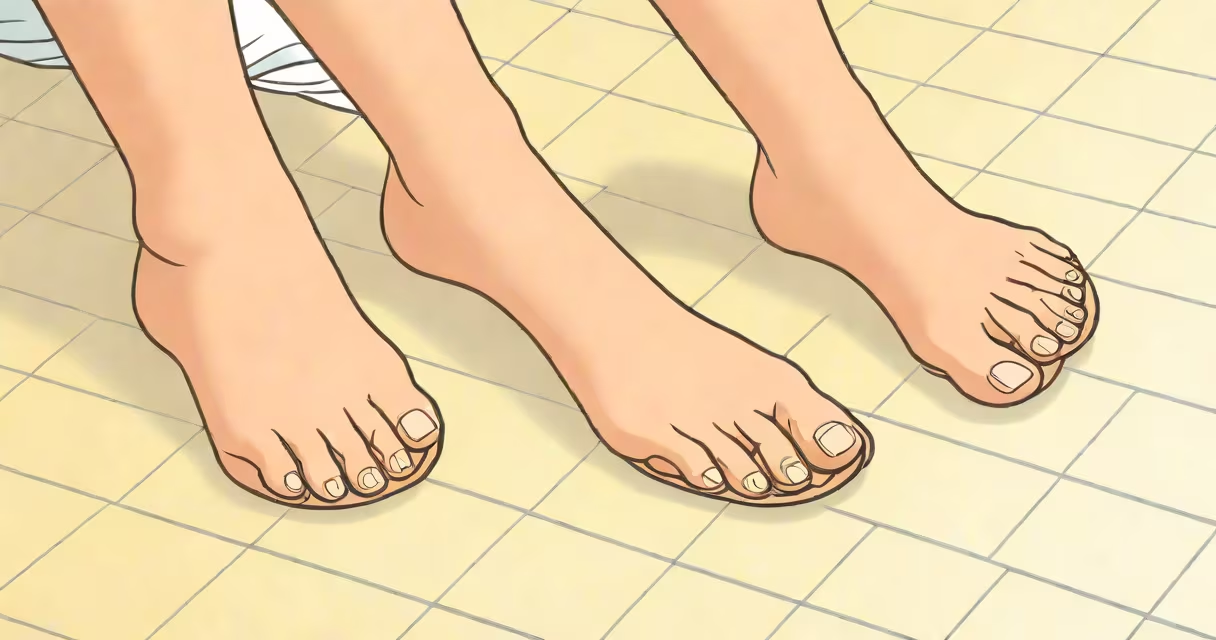
Swelling in the feet at 20 weeks pregnant is a common physical change caused by increased blood volume, hormonal shifts, and pressure from the growing uterus. It typically appears in the lower extremities due to gravity and fluid accumulation. This condition, known as edema, affects about 70% of pregnant people during the second trimester.
By week 20, the body produces approximately 50% more blood and plasma to support fetal development. This expanded circulation increases pressure in veins, especially in the legs and feet. Hormones like progesterone and relaxin further reduce venous tone, slowing blood return and allowing fluid to leak into surrounding tissues. The uterus, now rising above the pelvic brim, presses on the inferior vena cava-the major vein returning blood from the lower body-further restricting flow.
Swelling usually begins subtly, with tightness in shoes or rings. Feet may feel heavy, appear larger, or leave indentations when pressed. Most cases resolve with rest, elevation, and compression socks. However, sudden or severe swelling-especially in the face or hands-can indicate preeclampsia, a serious condition requiring immediate medical evaluation.
Fluid retention begins early in pregnancy but becomes noticeable around 20 weeks. The kidneys retain sodium and water to maintain blood volume, which supports placental function. As the fetus grows, the mother's blood volume peaks at about 40-50% above pre-pregnancy levels. This increase strains the circulatory system, particularly in the lower limbs.
Gravity pulls fluid downward. Without muscle contractions from walking, fluid pools in the feet and ankles. A 2020 study in Obstetrics & Gynecology found that 68% of participants reported foot swelling between 16 and 24 weeks, peaking at 20 weeks. Swelling often worsens after prolonged standing or sitting and improves with elevation.
Compression stockings help prevent pooling by applying graduated pressure. They're most effective when worn early in the day before swelling builds. A 2019 trial showed that consistent use reduced swelling severity by 37% compared to placebo.
Swelling varies in location and progression. Most cases involve the feet and ankles. Some people notice mild puffiness in the calves or wrists. True edema is symmetrical-both feet swell equally-and leaves temporary dents when pressed (pitting edema).
| Type | Appearance | Common Cause | When to consult provider |
|---|---|---|---|
| Pitting edema | Indentation remains after pressing skin | Normal fluid retention | None-expected at 20 weeks |
| Non-pitting edema | No dent after pressure; feels firm | Underlying condition (e.g., lymphedema) | Report within 24 hours |
| Asymmetric swelling | Only one foot affected | Deep vein thrombosis (DVT) | Seek emergency care |
One non-obvious sign is a sudden increase in shoe size. A 2021 survey of 1,200 pregnant individuals found that 23% reported needing new shoes between 18 and 22 weeks. This change often precedes visible swelling.
Swelling that appears suddenly, spreads rapidly, or involves the face, hands, or abdomen may indicate preeclampsia. This condition occurs in about 5% of pregnancies and is linked to high blood pressure and protein in urine. The American College of Obstetricians and Gynecologists (ACOG) recommends monitoring for swelling accompanied by headaches, vision changes, or upper abdominal pain.
One case from the Journal of Maternal-Fetal & Neonatal Medicine involved a patient who developed bilateral hand swelling and blurry vision at 20 weeks. Blood pressure was 160/110 mmHg, and urinalysis showed 3+ protein. She was hospitalized and delivered at 34 weeks due to worsening symptoms. Early recognition prevented severe complications.
Swelling confined to one leg with warmth, redness, or tenderness suggests deep vein thrombosis (DVT). DVT risk rises 4-5 times during pregnancy. If suspected, ultrasound imaging is required. Treatment includes anticoagulants and hospitalization.
Simple lifestyle adjustments reduce discomfort. Improve feet above heart level for 20 minutes twice daily. Avoid standing for more than 30 minutes without moving. Wear supportive footwear with low heels and wide toe boxes.
Compression socks (15-20 mmHg) improve venous return. A 2022 randomized controlled trial found that women using them had 41% less swelling and reported higher comfort scores. Socks should be worn in the morning before swelling begins and removed at night.
I once observed a patient at 20 weeks who wore cotton socks and avoided elevating her feet. Her feet swelled to the point where she couldn't walk without pain. After switching to compression socks and resting twice daily, swelling reduced by half within five days. This highlights how small changes have measurable impact.
Hydration helps regulate fluid balance. Drinking 8-10 cups of water daily reduces sodium retention. Limiting salt intake to under 2,300 mg/day-about one teaspoon-also minimizes fluid buildup. Diuretics are not recommended during pregnancy unless prescribed for specific conditions.
Many assume swelling means the baby is "big" or "heavy." That's incorrect. Swelling correlates with fluid retention, not fetal size. Ultrasound measurements at 20 weeks show average fetal weight at 1 pound, 1 ounce-well within normal range.
Another myth is that swelling always goes away after delivery. While most resolves within days, some people experience persistent swelling for up to six weeks postpartum. This is due to ongoing hormonal changes and vascular recovery.
Some believe swelling only happens in the third trimester. But research shows 68% of cases begin between 16 and 24 weeks. The peak incidence is at 20 weeks, not later.
Contact your provider if swelling is sudden, asymmetric, or accompanied by:
Feet swelling 20 weeks pregnant is a normal part of pregnancy for many. It results from physiological changes supporting fetal growth. Recognizing when swelling is expected versus when it signals danger ensures timely care. Monitor for warning signs and act early.