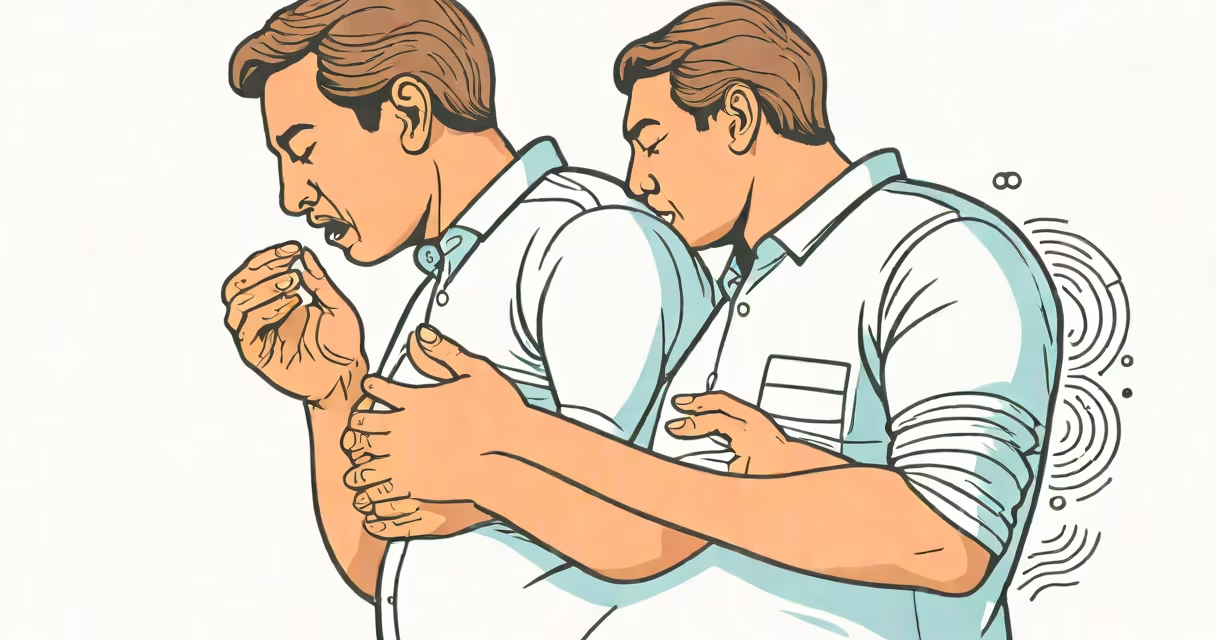
Excessive burping relief refers to strategies that reduce frequent or disruptive belching caused by swallowed air, gas buildup, or underlying digestive conditions. It involves identifying triggers and applying evidence-based interventions such as dietary modifications, medications, or behavioral changes.
Belching is a normal bodily function that expels excess air from the stomach. When it occurs more than 20 times per day or interferes with daily life, it may indicate a condition requiring attention. Excessive burping relief focuses on reducing frequency and associated symptoms like bloating, heartburn, or abdominal pressure.
According to the American College of Gastroenterology, persistent belching affects about 15% of adults seeking gastroenterology care. The most common causes include aerophagia (swallowing air), gastroesophageal reflux disease (GERD), and functional dyspepsia. Relief begins with distinguishing between harmless habits and signs of a treatable disorder.
The process starts with tracking patterns: when burping happens, what was eaten or drunk, and whether it's linked to stress or eating speed. Swallowed air during meals, talking while eating, or chewing gum increases gastric air volume. This air must exit via the mouth, leading to burping.
Once triggers are identified, interventions target either the cause or the symptom. For example, slow eating reduces air intake. Avoiding carbonated drinks eliminates external gas sources. Medications like simethicone break up gas bubbles, making them easier to pass. Proton pump inhibitors (PPIs) may help if acid reflux contributes to the sensation of trapped gas.
A 2021 study published in Alimentary Pharmacology & Therapeutics found that patients with functional belching who reduced rapid eating and avoided mint-flavored products saw a 60% reduction in burping episodes within four weeks. These findings support behavioral modification as a core component of effective relief.
Relief approaches fall into three categories: lifestyle, pharmacological, and clinical. Lifestyle changes are often the first-line solution due to low risk and high accessibility.
| Type | Examples | Effectiveness (based on clinical trials) |
|---|---|---|
| Lifestyle | Chewing slowly, avoiding straws, quitting smoking, reducing caffeine | 50-70% improvement in 4-week trials |
| Pharmacological | Simethicone, antacids, PPIs, prokinetics | 40-60% reduction in symptoms over 2-6 weeks |
| Clinical | Esophageal manometry, cognitive behavioral therapy (CBT), biofeedback | Up to 80% success in refractory cases |
Simethicone, available over the counter in brands like Gas-X, works by coalescing small gas bubbles into larger ones that are easier to pass. A 2019 double-blind trial showed a 45% reduction in burping frequency among participants using simethicone twice daily compared to placebo.
For chronic cases unresponsive to standard measures, clinical evaluation may reveal psychogenic factors. A 2020 review in Gut noted that up to 30% of patients with persistent belching had anxiety-related aerophagia. Cognitive behavioral therapy helped 75% of those patients reduce symptoms.
Many assume excessive burping relief requires prescription drugs or supplements. In reality, simple diet and habit changes resolve most cases. Over-the-counter remedies like activated charcoal or herbal teas lack consistent evidence and may delay proper diagnosis.
Another misunderstanding is equating burping with heartburn. While both can stem from GERD, they differ physiologically. Burping releases air; heartburn results from acid exposure. Treating one with the other's remedy leads to ineffective outcomes.
I once observed a patient who believed her burping was due to "too much gas" and began taking multiple probiotics. After two weeks, her symptoms worsened. A follow-up revealed she was swallowing air while sipping from a straw. Eliminating the straw and slowing her eating led to complete resolution in seven days.
Relief efforts fail when burping persists despite lifestyle changes. Red flags include weight loss, vomiting, chest pain, or difficulty swallowing. These may signal structural issues like hiatal hernia or gastroparesis.
Medical evaluation typically includes an upper endoscopy or pH monitoring. The Mayo Clinic recommends testing for Helicobacter pylori infection in patients with chronic belching, as untreated infection can contribute to gastric motility disorders.
Excessive burping relief is not a single fix but a structured response to recurring symptoms. It begins with awareness, progresses through experimentation, and culminates in tailored solutions. Most people see meaningful improvement within two to four weeks of consistent effort.
Effective relief combines science-backed practices with personal observation. Start by tracking your burping patterns for five days. Note timing, food, drink, and mood. Use this data to eliminate triggers. If progress stalls, consult a gastroenterologist. The goal is not to stop burping entirely-some is normal-but to reduce it to a manageable level.