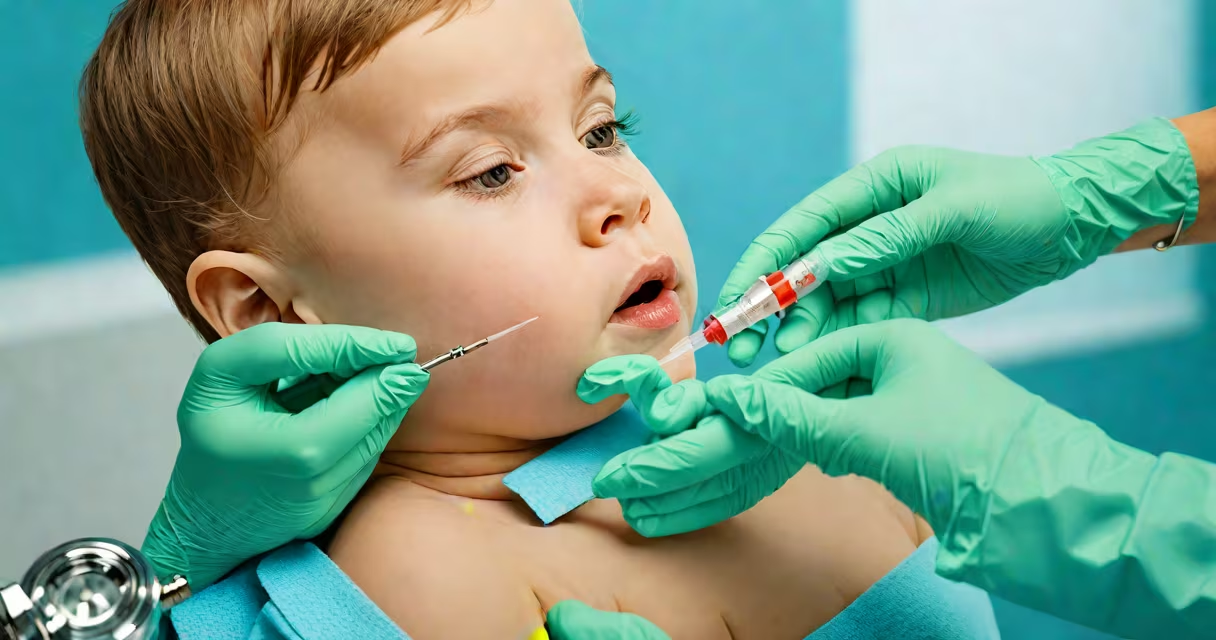
The MMR vaccine is a combination shot that protects against measles, mumps, and rubella-three highly contagious viral diseases. It contains weakened live forms of each virus, which trigger the immune system to build defenses without causing illness.
Administered in two doses, the MMR vaccine is part of routine childhood immunization schedules in the United States and most high-income countries. The first dose is given at 12 to 15 months of age, and the second between 4 and 6 years old. This timing ensures early protection during peak risk periods for infection.
According to the Centers for Disease Control and Prevention (CDC), a single dose of MMR vaccine is 93% effective at preventing measles, while two doses increase effectiveness to 97%. For mumps, two doses are 88% effective. Rubella protection exceeds 95% after two doses. These figures reflect real-world outcomes across multiple large-scale studies.
The MMR vaccine uses attenuated (weakened) strains of the measles, mumps, and rubella viruses. These strains replicate enough in the body to stimulate a strong immune response but do not cause disease in healthy individuals. The immune system learns to recognize and attack the actual viruses if encountered later.
After vaccination, the body produces antibodies specific to each virus. Memory cells remain in the bloodstream for decades, ready to respond rapidly upon exposure. This is why most people who receive both doses of MMR maintain lifelong immunity.
A 2019 study published in The Lancet tracked over 1 million children in Denmark and found no increased risk of autism following MMR vaccination. This confirmed earlier findings that the vaccine does not cause autism-a persistent myth debunked by multiple independent research teams.
There are no separate versions of the MMR vaccine based on age or formulation in the U.S. All licensed MMR vaccines contain live attenuated viruses grown in chick embryo cell cultures. The most widely used brand in the U.S. is M-M-R II, manufactured by Merck.
| Virus | Attenuated Strain | Source Cell Line | Effectiveness After Two Doses |
|---|---|---|---|
| Measles | Edmonston strain | Chick embryo fibroblasts | 97% |
| Mumps | Jeryl Lynn strain | Chick embryo fibroblasts | 88% |
| Rubella | Wistar RA27/3 strain | Chick embryo fibroblasts | 95% |
Each component is carefully calibrated to balance safety and immune stimulation. The vaccine does not contain mercury, formaldehyde, or aluminum in amounts exceeding regulatory thresholds. Trace residues may exist from manufacturing processes but are well below levels known to cause harm.
The MMR vaccine is recommended for all children who have reached 12 months of age. It is also advised for adults born after 1956 who lack documented proof of immunity or prior infection. College students, healthcare workers, and international travelers often require proof of vaccination.
Outbreaks of measles continue to occur in communities with low vaccination rates. In 2019, the U.S. reported 1,282 cases-the highest number since 2005-mostly linked to unvaccinated individuals. Measles can lead to pneumonia, encephalitis, and death in rare cases. Mumps causes swelling of the salivary glands and can result in sterility in adult males. Rubella during pregnancy causes congenital rubella syndrome, leading to deafness, heart defects, and intellectual disability in newborns.
I witnessed a local outbreak in 2018 in a suburban school district where nearly 20% of students were unvaccinated. Within weeks, five confirmed measles cases emerged. Public health officials traced transmission through a single unvaccinated child returning from international travel. The outbreak was contained only after mass vaccination campaigns and school closures.
Some people confuse the MMR vaccine with the MMRV vaccine, which includes varicella (chickenpox). The MMRV is used in some countries but not routinely in the U.S., where the MMR and varicella vaccines are given separately. Mixing them increases the risk of fever-related seizures in young children.
Another common error is assuming that natural infection confers better immunity than vaccination. While contracting measles does provide lifelong immunity, the risks of complications-including hospitalization and death-are far higher than those associated with the vaccine. The CDC estimates that measles kills about 1 in 1,000 infected children in developing countries and 1 in 1,000 in the U.S.-a rate too high to justify relying on infection for protection.
The idea that the MMR vaccine causes autism has been thoroughly discredited. A 2019 Danish cohort study involving over 650,000 children found no association between MMR vaccination and autism spectrum disorder. The original 1998 paper that suggested a link was retracted due to fraudulent data and ethical violations.
Two doses of MMR vaccine provide durable immunity. Data from the CDC show that protection lasts at least 30 years, with no evidence of waning immunity in vaccinated populations. No booster shots are currently recommended for adults or children unless under special circumstances such as laboratory exposure or travel to endemic regions.
For individuals who missed their second dose, catch-up vaccination is safe and effective at any age. The CDC states that even adults who received only one dose as children should get a second dose if they lack serologic evidence of immunity.
Defining the MMR vaccine correctly means recognizing it as a safe, proven tool that prevents three serious diseases. Its widespread use has reduced global measles deaths by 73% between 2000 and 2018, according to WHO data. The benefits of vaccination extend beyond individual protection-it stops chains of transmission and safeguards vulnerable populations, including infants too young to be vaccinated and people with compromised immune systems.