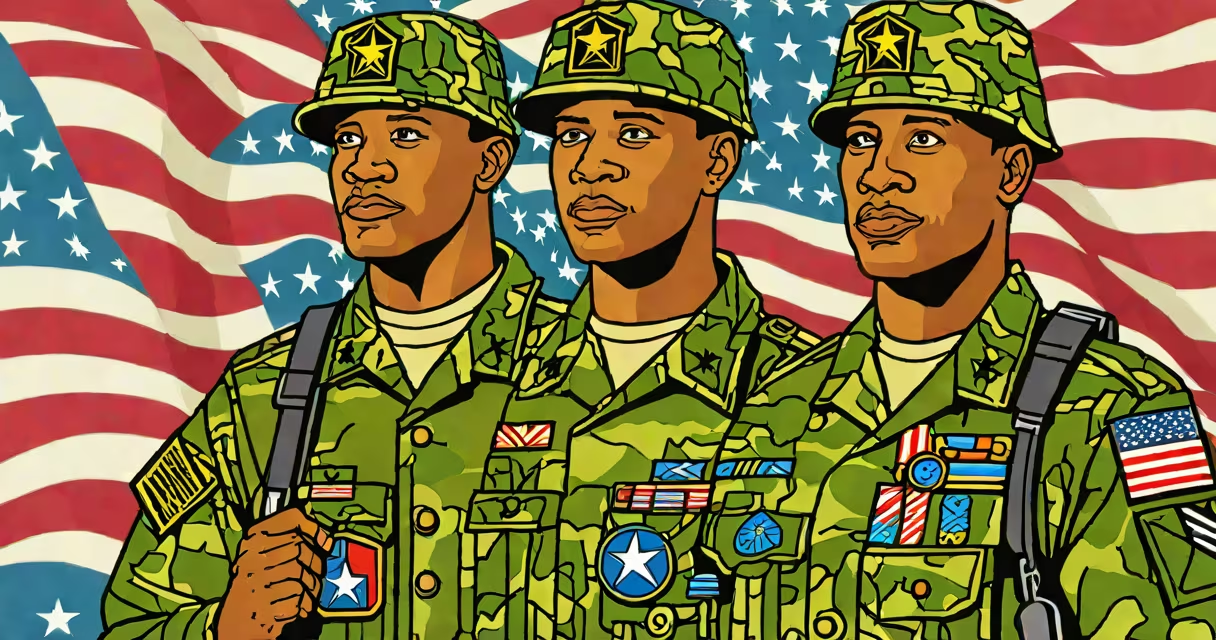
A combat veteran is a person who served in the U.S. Armed Forces and was engaged in direct combat operations during their military service. This includes personnel deployed to designated combat zones where they faced hostile enemy forces, sustained injuries, or were exposed to live fire.
The term specifically applies to individuals whose service involved participation in armed conflict, not just general military duty. The U.S. Department of Veterans Affairs (VA) defines combat veteran status based on deployment to a combat zone and receipt of a combat-related military occupational specialty or award such as the Purple Heart or Combat Infantryman Badge.
Not all veterans are combat veterans. A person may have served in the military for years without being deployed to a combat zone or engaging in direct combat. For example, a logistics specialist stationed in Germany during peacetime is a veteran but not a combat veteran. The distinction matters for benefits eligibility, healthcare access, and recognition programs.
Combat veteran status is established through official military records. The primary indicators are deployment orders to a combat zone, documented combat-related injuries, and receipt of specific military awards. The VA uses the Department of Defense's Joint Personal Data System (JPDS) to verify deployment history and combat assignment.
Deployment to a combat zone is defined by the Department of Defense as any area where U.S. military forces are engaged in active combat or face imminent threat of hostilities. These areas are officially designated by the Secretary of Defense and updated annually. Examples include Iraq during Operation Iraqi Freedom (2003-2011), Afghanistan during Operation Enduring Freedom (2001-2021), and parts of Syria during counter-ISIS operations.
Service members who received the Bronze Star with Valor Device, Purple Heart, or Combat Action Ribbon are presumed to have engaged in combat. The VA recognizes these awards as evidence of direct exposure to hostile action, even if the individual wasn't wounded.
Combat veterans come from all branches of the military and serve in diverse roles. Not all involve frontline infantry duties. The following table outlines common combat roles and deployment contexts:
| Branch | Common Combat Role | Typical Deployment Zone | Combat Exposure Level |
|---|---|---|---|
| Army | Infantry, Explosive Ordnance Disposal (EOD) | Iraq, Afghanistan | High |
| Marine Corps | Combat Engineer, Rifleman | Lebanon (1983), Somalia (1993), Iraq | Very High |
| Navy | Naval Special Warfare (SEAL), Shipboard Security | Persian Gulf, South China Sea | Medium-High |
| Air Force | Fighter Pilot, Airborne Controller | Central Command (CENTCOM) areas | High |
Even support roles can qualify. A Navy corpsman assigned to a Marine unit in Fallujah during 2004 was exposed to daily mortar attacks and treated combat casualties. Despite not carrying a weapon, this individual is classified as a combat veteran due to direct exposure to hostile fire and proximity to active combat.
Many people assume that only infantry soldiers or those who fired weapons qualify as combat veterans. This is incorrect. The VA does not require personal weapon use or direct hand-to-hand combat. A radiology technician working in a forward operating base under artillery bombardment qualifies if their location and mission placed them in harm's way.
Another misconception is that receiving a Purple Heart automatically makes someone a combat veteran. While the Purple Heart is awarded for wounds caused by enemy action, it does not confirm deployment to a combat zone. A soldier injured in a training accident during a peacekeeping exercise may receive the medal but not qualify as a combat veteran.
According to the Congressional Research Service, approximately 4.5 million U.S. veterans served in combat zones between 2001 and 2021. Of these, about 1.2 million were deployed to both Iraq and Afghanistan. The majority of combat veterans from this period are between ages 35 and 50, reflecting the demographic profile of post-9/11 service members.
Combat veteran status affects access to federal benefits. The VA provides priority healthcare, disability compensation, and education benefits to those with combat exposure. A 2022 study by the RAND Corporation found that combat veterans are 3.2 times more likely to receive a service-connected disability rating than non-combat veterans.
I once met a former Army medic who served in Kandahar, Afghanistan, in 2006. He was not issued a sidearm and never fired a weapon. But he treated over 150 combat casualties in a single year while stationed at a forward aid station. His medical records, deployment orders, and letters from commanding officers confirmed his combat role. He qualified for VA disability benefits and mental health services despite not being a frontline infantryman.
Some organizations, like the National Veterans Foundation, offer tailored outreach to combat veterans. They provide peer support networks and job placement assistance focused on trauma-informed care. These programs recognize that combat exposure often leads to higher rates of PTSD, substance use disorders, and employment challenges compared to non-combat service.
Understanding the difference between veteran and combat veteran is essential for accurate policy, benefit distribution, and public awareness. The term "combat veteran" reflects not just time served, but actual engagement in armed conflict. This distinction helps those who faced direct danger receive appropriate recognition and support.