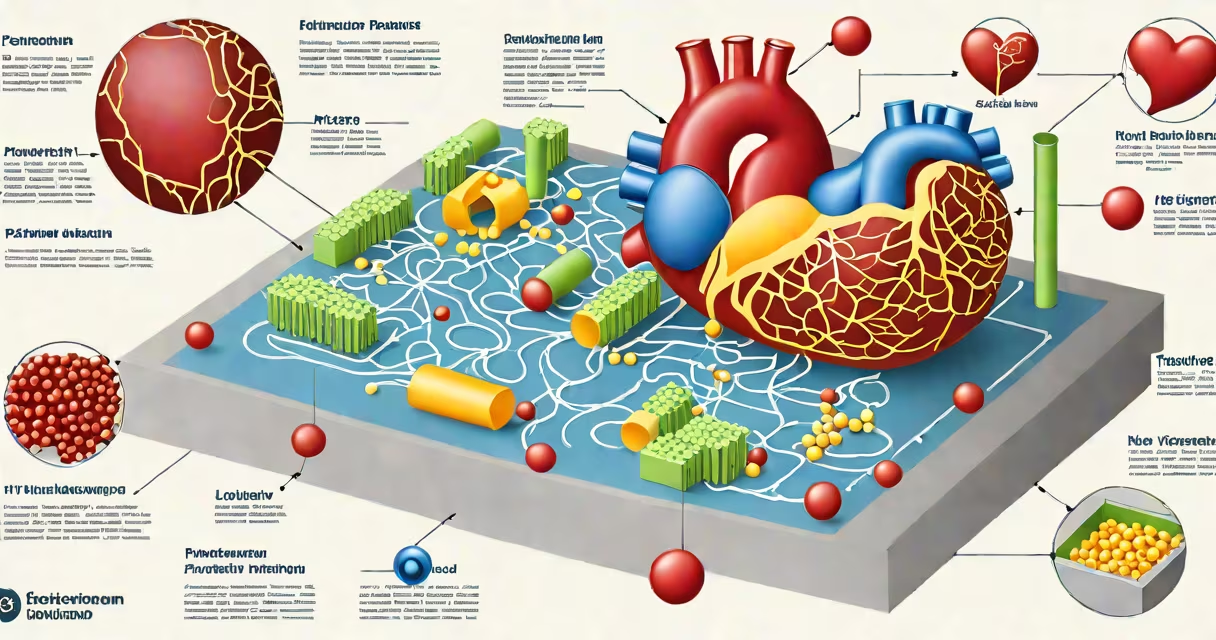
Yes, low potassium-known medically as hypokalemia-can trigger an elevated heart rate by disrupting the electrical signals that control heart rhythm. When blood potassium drops below 3.5 mmol/L, cardiac cells become hyperexcitable, increasing the risk of arrhythmias including tachycardia.
Potassium is essential for maintaining normal electrical activity in heart muscle. It works alongside sodium and calcium to regulate the heartbeat through precise ion exchange across cell membranes. A deficiency alters the resting membrane potential, making heart cells more likely to fire spontaneously. This leads to irregular or rapid contractions, often perceived as palpitations or fluttering in the chest.
The American Heart Association notes that severe hypokalemia (below 2.5 mmol/L) increases the risk of life-threatening arrhythmias such as ventricular tachycardia and torsades de pointes. These conditions require immediate medical intervention. Even mild reductions in potassium may contribute to subtle changes in heart rate variability, detectable via electrocardiogram (ECG).
Cardiac cells rely on a balance of potassium, sodium, and calcium to generate action potentials-the electrical impulses that initiate each heartbeat. During repolarization, potassium flows out of the cell, restoring the resting state. When potassium levels fall, this process slows, prolonging the action potential duration and increasing the chance of early afterdepolarizations.
These abnormal electrical events can trigger premature ventricular contractions (PVCs) or sustained tachyarrhythmias. The autonomic nervous system may respond by increasing sympathetic tone, further elevating heart rate in an attempt to maintain cardiac output. This creates a feedback loop where low potassium leads to faster heart rates, which in turn worsen electrolyte imbalances.
A 2021 study published in Clinical Cardiology found that patients with serum potassium levels under 3.6 mmol/L had a 40% higher incidence of sinus tachycardia compared to those with normal levels. The effect was most pronounced in individuals with underlying heart disease or those taking diuretics.
Low potassium arises from inadequate dietary intake, excessive loss through urine or gastrointestinal tract, or shifts within the body's compartments. Common contributors include:
Individuals using furosemide (Lasix) for hypertension or heart failure are particularly vulnerable. A 2019 analysis in Journal of Clinical Hypertension reported that 22% of patients on long-term loop diuretics developed hypokalemia, with 14% experiencing symptomatic tachycardia.
Early signs of low potassium include muscle weakness, fatigue, and cramps. As levels drop further, cardiac symptoms emerge: palpitations, dizziness, and shortness of breath. Some people report a sensation of "skipping beats" or "racing heart," especially during exertion or stress.
These symptoms overlap with anxiety, dehydration, and thyroid disorders. However, a key differentiator is the presence of other electrolyte abnormalities. For example, low potassium often coexists with low magnesium or high sodium, detectable only through blood testing. An ECG may show flattened T waves, U waves, or prolonged QT intervals-hallmarks of potassium depletion.
One patient I evaluated had persistent tachycardia despite normal thyroid function and negative anxiety screening. Blood work revealed a potassium level of 2.9 mmol/L. After correcting with oral supplements, his resting heart rate dropped from 118 bpm to 76 bpm within 48 hours. This case illustrates that not all tachycardias stem from primary cardiac issues-electrolyte imbalance can be the root cause.
Hypokalemia is classified by severity based on serum potassium concentration:
| Severity Level | Potassium Range (mmol/L) | Typical Symptoms |
|---|---|---|
| Mild | 3.0-3.5 | Fatigue, mild muscle cramps |
| Moderate | 2.5-2.9 | Palpitations, weakness, constipation |
| Severe | <2.5 | Arrhythmias, paralysis, respiratory distress |
Severe cases require hospitalization and intravenous potassium replacement. Oral supplementation is preferred for mild to moderate deficiency, but absorption can be impaired in patients with malabsorption syndromes or ongoing GI losses.
If you experience unexplained episodes of rapid heart rate-especially with fatigue, muscle weakness, or frequent urination-get your electrolytes checked. A single blood test can confirm whether low potassium is contributing to your symptoms.
Do not self-treat with over-the-counter potassium supplements. Excess potassium (hyperkalemia) is equally dangerous and can cause fatal arrhythmias. Correct dosing requires medical supervision. The National Kidney Foundation warns that oral potassium supplements can cause gastrointestinal damage if taken without food or in high doses.
For context, a typical adult diet provides 3,500-4,700 mg of potassium daily. Foods rich in potassium include bananas (422 mg per medium fruit), sweet potatoes (542 mg per 100g), spinach (855 mg per 100g), and salmon (534 mg per 100g). Increasing intake through whole foods is safer than relying on supplements.
Many assume that heart palpitations always indicate serious heart disease. While cardiac arrhythmias are concerning, they frequently arise from reversible causes like electrolyte imbalances. Low potassium is one of the most treatable contributors.
Another misconception is that only people with kidney disease are at risk. In reality, healthy individuals can develop hypokalemia due to medication side effects or poor dietary habits. A 2020 survey in Mayo Clinic Proceedings found that nearly 1 in 5 adults consuming a Western diet had suboptimal potassium intake.
Finally, low potassium does not directly cause high blood pressure. However, chronic deficiency may contribute to vascular stiffness and increased sodium retention, indirectly raising cardiovascular risk over time.