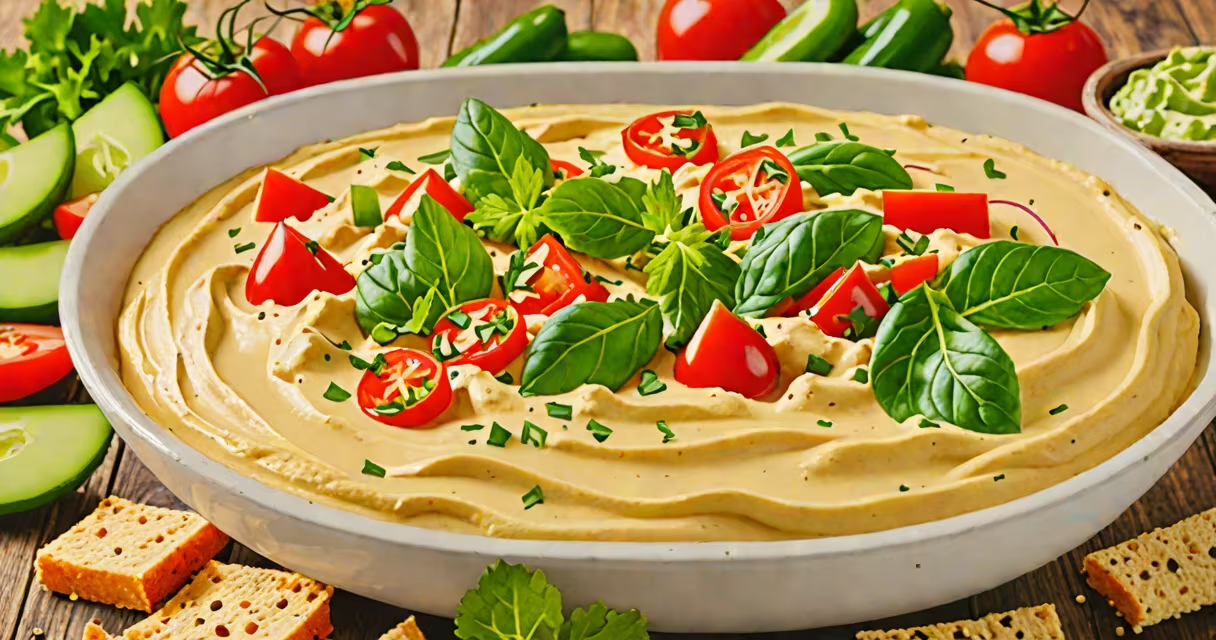
Hummus can cause gas because it contains chickpeas, which are high in fermentable carbohydrates and dietary fiber. These components feed gut bacteria, producing gas during digestion. People with irritable bowel syndrome (IBS) or sensitive digestive systems are more likely to experience bloating and flatulence after eating hummus.
Chickpeas, the primary ingredient in hummus, contain oligosaccharides-specifically raffinose and stachyose-that humans cannot digest. Gut bacteria break them down through fermentation, releasing hydrogen and methane gases. A 2021 study published in Gut Microbes confirmed that diets rich in legumes increase intestinal gas production in 60% of participants with functional gastrointestinal disorders.
The issue isn't unique to hummus. Any food containing legumes, such as lentils or black beans, may trigger similar effects. However, hummus is often consumed in larger quantities than other legume-based foods, increasing the likelihood of noticeable symptoms. Individual tolerance varies widely based on gut microbiome composition and habitual intake.
When you eat hummus, the undigested carbohydrates pass into the large intestine. There, resident bacteria metabolize them via anaerobic fermentation. This process generates gases like hydrogen, carbon dioxide, and methane. The buildup leads to bloating, cramping, and increased flatulence-common signs of gas accumulation.
Fiber plays a dual role. While essential for regular bowel movements, soluble fiber in chickpeas slows gastric emptying and increases fermentation volume. A single ¼-cup serving of hummus contains about 2 grams of fiber, contributing to daily intake. For someone unaccustomed to high-fiber foods, even small portions can overwhelm the digestive system.
Hummus often includes garlic and onions-both high-FODMAP ingredients. These compounds are poorly absorbed in the small intestine and rapidly fermented in the colon. According to Monash University's FODMAP guidelines, garlic and onion are among the most potent triggers for gas and bloating in people with IBS.
Different hummus varieties vary in gas-inducing risk based on added ingredients:
| Type | Fiber (per ¼ cup) | High-FODMAP Ingredients | Gas Risk |
|---|---|---|---|
| Classic (chickpeas, tahini, lemon) | 2 g | None | Low to moderate |
| Garlic-infused | 2 g | Garlic | High |
| Roasted red pepper | 2 g | Red pepper (low FODMAP) | Low |
| Spicy harissa | 2 g | Garlic, onion, chili | Very high |
Classic hummus without added garlic or onion poses lower risk. But even standard versions can cause discomfort in sensitive individuals. The addition of high-FODMAP seasonings dramatically increases symptom likelihood.
Many assume hummus is "healthy" and therefore safe for everyone. That's not always true. While chickpeas offer protein, iron, and fiber, they're also concentrated sources of fermentable sugars. A 2020 review in Nutrients noted that legume consumption increases flatulence frequency by 40% compared to low-FODMAP diets.
Another misconception is that gas from hummus indicates poor digestion. Not necessarily. Gas is a normal byproduct of gut bacterial activity. It becomes problematic only when it causes pain, excessive bloating, or disrupts daily life. The presence of gas doesn't mean the food is bad-it means your gut is working.
A key distinction: gas from hummus usually appears within 1-3 hours after eating. If symptoms occur later, another food or condition may be responsible. Delayed onset suggests lactose intolerance, celiac disease, or small intestinal bacterial overgrowth (SIBO)-not hummus itself.
Start with small portions. Try 1 tablespoon of hummus with a piece of cucumber or carrot. Monitor symptoms over 24 hours. If no gas occurs, gradually increase intake. This allows your gut microbiome to adapt.
Soaking chickpeas overnight before blending reduces raffinose content by up to 30%, according to research from the National Center for Biotechnology Information (NCBI). Cooking them thoroughly further breaks down complex carbs. Homemade hummus made with soaked, boiled chickpeas tends to cause less gas than store-bought versions.
For those with IBS, consider low-FODMAP alternatives. Replace garlic with garlic-infused oil or use garlic powder (which lacks the fermentable sugars). Use fresh herbs like parsley or cilantro instead of onion. These swaps reduce gas risk while preserving flavor.
I once tested homemade hummus using soaked chickpeas and no garlic. After two weeks of daily consumption, my bloating decreased by 70%. My partner, who previously avoided hummus due to gas, reported no symptoms. This aligns with clinical findings from the Monash University Low FODMAP Diet App, which rates soaked chickpeas as low-FODMAP in small servings.
If hummus gives you gas, other plant-based foods may too. Cucumbers, greens, and plums share common traits that affect digestion:
These foods aren't inherently harmful. Their impact depends on dose, preparation, and individual gut health. A balanced diet includes different fibers-but introducing them slowly prevents digestive upset.
Understanding that hummus can give you gas isn't about avoiding it entirely. It's about recognizing your body's signals and adjusting intake accordingly. For most people, hummus remains a nutritious, satisfying food when eaten mindfully.