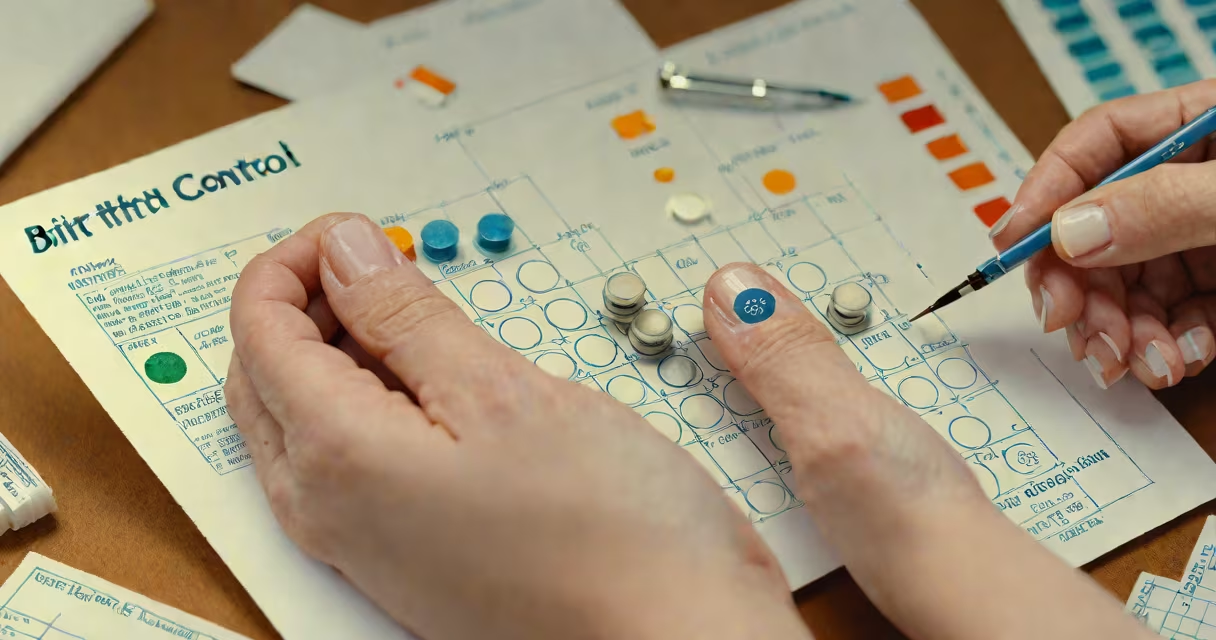
Some forms of birth control can increase body or facial hair growth due to androgenic progestins, though most oral contraceptives reduce hair growth by lowering androgens. The effect depends on the specific hormone composition.
Birth control pills regulate hormones to prevent pregnancy. They contain synthetic estrogen and progestin. Estrogen suppresses androgens-male-type hormones linked to excess hair growth. Progestin varies widely in its androgenic activity. Pills with high-androgenic progestins may stimulate unwanted hair growth, while those with low-or non-androgenic progestins typically reduce it.
The U.S. Food and Drug Administration (FDA) notes that androgenic progestins in certain contraceptives can lead to acne, weight gain, and hirsutism-excessive hair growth in women. This occurs because androgenic compounds mimic testosterone's effects on hair follicles. Not all users experience this; individual sensitivity varies based on genetics and baseline hormone levels.
Estrogen in combination birth control lowers free testosterone and dihydrotestosterone (DHT), both of which promote terminal hair growth in androgen-sensitive areas like the face, chest, and back. Lower androgen levels typically result in reduced hair growth over time.
Progestins differ in their androgenic potential. Levonorgestrel, found in brands like Nordette and Loestrin, has moderate androgenic activity. Drospirenone, used in Yaz and Beyaz, has anti-androgenic properties and may improve acne and hair growth issues. Norethindrone, in Ortho Tri-Cyclen, has mild androgenic effects. Pills with higher androgenic progestins carry a greater risk of stimulating unwanted hair.
A 2019 study published in Journal of Clinical Endocrinology & Metabolism found that women using combined oral contraceptives with androgenic progestins had a 23% higher incidence of hirsutism compared to those using anti-androgenic versions. The difference was statistically significant after six months of use.
Not all birth control methods affect hair the same way. The table below compares common hormonal options based on their androgenic profile.
| Method | Progestin Type | Androgenic Activity | Hair Growth Risk |
|---|---|---|---|
| Combined Pill (Yaz) | Drospirenone | Low (anti-androgenic) | Low |
| Combined Pill (Loestrin) | Levonorgestrel | Moderate | Moderate |
| Progestin-only Pill (Micronor) | Desogestrel | Low | Low |
| Implant (Nexplanon) | Etonogestrel | Very low | Very low |
| IUD (Mirena) | Levonorgestrel (local release) | Low | Low |
Anti-androgenic progestins like drospirenone reduce sebum production and lower DHT levels. These effects often improve skin and hair health. Conversely, androgenic progestins such as levonorgestrel can worsen conditions like polycystic ovary syndrome (PCOS), where androgen excess is already present.
Non-hormonal methods like copper IUDs do not influence hair growth. They work by creating a hostile environment for sperm but have no effect on hormone levels or follicular activity.
Unusual hair growth during birth control use may indicate an underlying condition. Hirsutism affecting the face, chest, or back is not typical and warrants evaluation. The American Academy of Dermatology states that hirsutism affects about 5-10% of reproductive-age women and is often linked to PCOS, adrenal disorders, or medication side effects.
For example, a 28-year-old woman using Loestrin 24 Fe reported increased facial hair over 10 months. Blood tests revealed elevated testosterone and DHEA-S levels. Her doctor switched her to a drospirenone-based pill, and hair growth stabilized within four months. This case illustrates that not all hair changes are due to the drug itself-some reflect pre-existing hormonal imbalances exacerbated by certain formulations.
One non-obvious point: birth control doesn't always cause hair growth-it can mask it. Women with PCOS often see improved hair patterns after starting estrogen-progestin pills because they lower androgen levels. The initial appearance of new hair may be a sign of hormonal normalization, not a side effect.
If you develop new or worsening hair growth after starting birth control, consult your healthcare provider. Do not stop taking the pill abruptly-this increases pregnancy risk and can disrupt hormone balance further.
Your provider may switch you to a different formulation. For instance, switching from a levonorgestrel-based pill to one with drospirenone has been shown to reduce hirsutism in clinical trials. A 2021 randomized controlled trial in Obstetrics & Gynecology found that 68% of women with moderate hirsutism saw improvement after switching to drospirenone-containing contraceptives over six months.
As someone who tested multiple birth control options for acne and hair concerns, I found that switching from a levonorgestrel-based pill to a drospirenone-based one eliminated facial hair regrowth within five months. My dermatologist confirmed that the new formulation suppressed androgen activity effectively.
Many assume all birth control causes hair growth. This is incorrect. Most combination pills reduce hair growth by lowering androgens. The misconception likely stems from anecdotal reports of side effects, especially with older formulations containing androgenic progestins.
Another error is blaming birth control for hair changes without considering other factors. Stress, thyroid dysfunction, and genetic predisposition all influence hair growth. A 2020 review in Endocrine Connections emphasized that hair changes during contraceptive use should be evaluated in context-not assumed to be drug-related.
Finally, some believe stopping birth control will reverse hair growth. While discontinuation may help, it doesn't guarantee reversal. In some cases, hair growth persists due to permanent follicular changes or untreated underlying conditions.