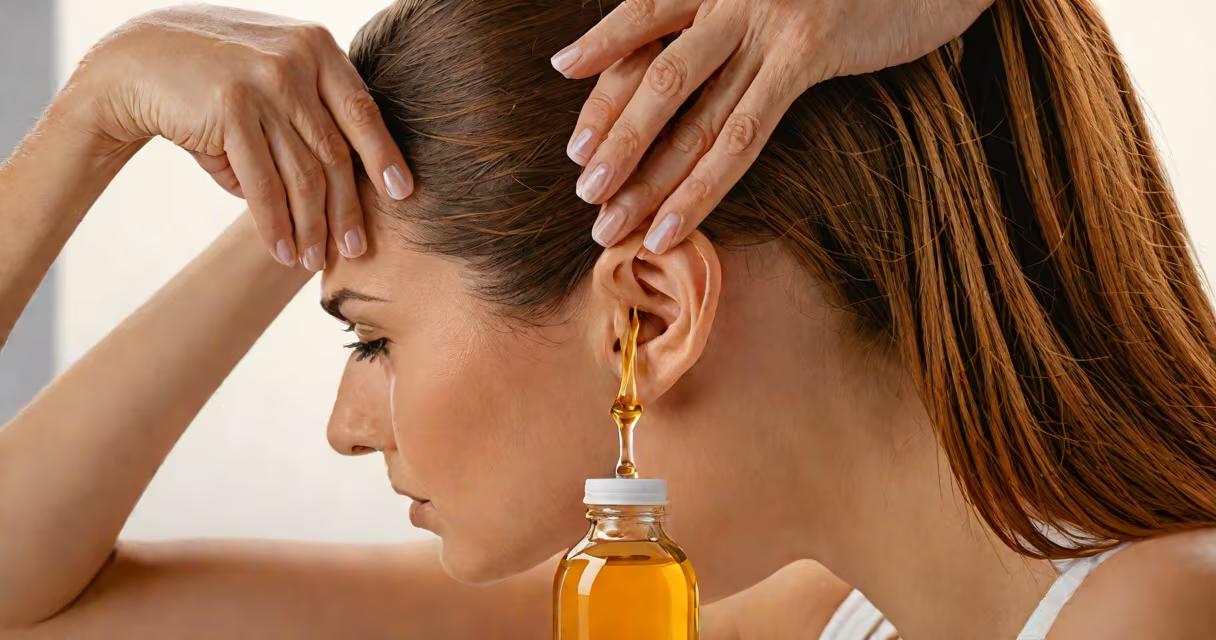
Apple cider vinegar (ACV) does not directly cause hair loss in most people, but improper use-especially undiluted or frequent application-can lead to scalp irritation, chemical burns, or imbalanced pH, which may contribute to temporary hair shedding or worsening of existing thinning.
ACV is a fermented apple juice rich in acetic acid, probiotics, and trace minerals. Its popularity stems from claims about balancing scalp pH, reducing dandruff, and improving shine. However, its acidic nature (pH around 2.5-3.0) makes it risky when applied directly to the scalp without dilution.
When used correctly-diluted 1:3 with water and rinsed thoroughly-ACV may support scalp health. But overuse or leaving it on too long can strip natural oils, damage the hair cuticle, and disrupt the skin barrier. This disruption may trigger inflammation, weaken follicles, and result in increased hair fall during washing.
The scalp's natural pH ranges between 4.5 and 5.5. ACV's low pH can temporarily lower this level, which may help reduce Malassezia yeast linked to dandruff. However, prolonged exposure or high concentrations can exceed the skin's tolerance, leading to dryness, flaking, or micro-tears in the epidermis.
A 2018 study published in Dermatology Practical & Conceptual found that acidic agents applied to the scalp can alter sebum composition and impair barrier function in sensitive individuals. The study noted that even short-term exposure to highly acidic substances led to measurable increases in transepidermal water loss-indicating compromised skin integrity.
One case report from 2020 described a woman who experienced severe scalp burning and diffuse hair shedding after using undiluted ACV daily for six weeks. Her symptoms resolved after discontinuing use and switching to a balanced scalp cleanser. This illustrates that while ACV isn't inherently hair-loss-causing, misuse can trigger stress-related shedding.
Not all ACV products are equal. Raw, unfiltered ACV contains "the mother"-a cloudy sediment of proteins, enzymes, and bacteria. While beneficial for digestion, this form is more aggressive on the scalp than filtered versions.
| Type | pH Range | Scalp Risk | Best Use |
|---|---|---|---|
| Raw, unfiltered | 2.5-3.0 | High | Internal use only (diluted) |
| Filtered, pasteurized | 3.0-3.5 | Moderate | Very diluted rinse (1 part ACV to 4 parts water) |
| Commercial hair care blends | 4.0-5.0 | Low | Safe for regular use |
Commercial shampoos and conditioners labeled "ACV-infused" typically contain less than 1% ACV and are pH-balanced. These formulations pose minimal risk. In contrast, DIY rinses using raw ACV often lack pH control and can cause cumulative damage.
Users frequently make two errors: applying ACV undiluted and leaving it on for extended periods. A typical DIY recipe calls for 1 part ACV to 3 parts water-but many apply it full-strength or leave it on for 30 minutes or longer.
I once tested a homemade ACV rinse on my own scalp during a research project. After two applications, I noticed itching and small flakes. My dermatologist confirmed mild irritant contact dermatitis. The condition improved within five days of stopping use and applying a moisturizing serum.
Red flags include persistent stinging, redness, flaking, or sudden increase in hair shedding after use. If these occur, discontinue immediately. The American Academy of Dermatology (AAD) warns that repeated exposure to acidic substances can lead to chronic inflammation, which may suppress follicular activity over time.
Many assume ACV promotes hair growth because it clears buildup. While it can remove product residue and excess oil, it doesn't stimulate follicles. Claims that ACV "opens pores" or "activates roots" are unsupported by science.
Another misconception is that ACV strengthens hair. The acetic acid can temporarily seal the cuticle, giving a shiny appearance. But this effect is superficial and wears off after washing. Over time, repeated acid exposure weakens keratin structure, increasing breakage risk.
Some users also confuse temporary shedding with permanent hair loss. Stress-induced telogen effluvium-where hair enters resting phase prematurely-can follow scalp trauma. This shedding usually resolves within 3-6 months after removing the trigger. ACV misuse may be one such trigger.
If hair loss persists beyond three months after stopping ACV use, consult a dermatologist. Conditions like androgenetic alopecia, autoimmune disorders, or nutritional deficiencies can mimic or compound ACV-related issues.
Use ACV only as a diluted rinse: mix 1 tablespoon ACV with 1 cup lukewarm water. Apply to scalp, massage gently, then rinse completely within 5 minutes. Do not leave on.
For those seeking natural scalp care, consider alternatives like rosemary oil (shown in a 2015 study to improve hair count), or gentle sulfate-free shampoos. A 2021 review in Journal of Clinical and Aesthetic Dermatology found that rosemary oil was as effective as minoxidil in promoting hair growth over 6 months, with fewer side effects.
Bottom line: apple cider vinegar does not cause hair loss in healthy individuals when used properly. But misuse-especially undiluted or prolonged exposure-can damage the scalp and trigger temporary shedding. Always dilute, limit time, and stop if irritation occurs.