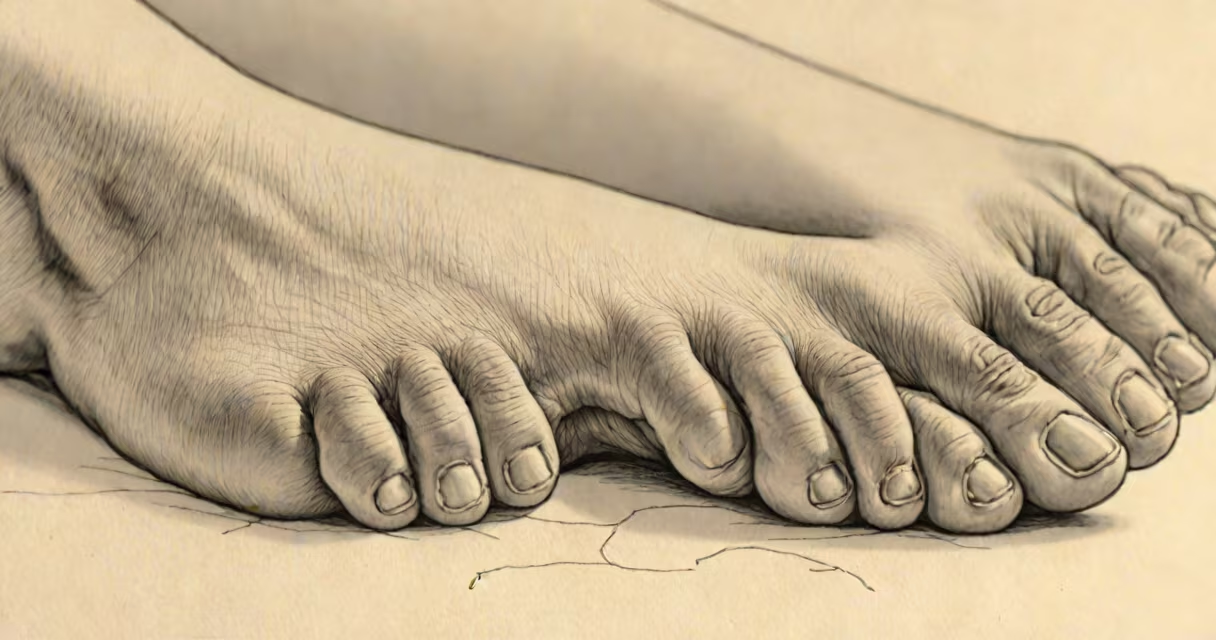
Numbness in the big toe on the right foot results from disrupted nerve signals, often due to pressure on the sensory nerves in the foot, underlying medical conditions like diabetes, or localized trauma. This sensation may appear suddenly or develop gradually and can affect balance, gait, and daily function.
The primary nerves involved are the medial and lateral plantar nerves, which branch from the tibial nerve behind the ankle. When compressed or damaged, they fail to transmit normal sensory input, leading to tingling, loss of feeling, or sharp pain. Common triggers include tight footwear, prolonged standing, or structural foot issues such as bunions or flat feet.
According to the American Academy of Orthopaedic Surgeons (AAOS), nerve entrapment in the foot accounts for nearly 60% of isolated toe numbness cases reported in outpatient clinics. The condition is often misattributed to poor circulation, but vascular causes typically affect both feet symmetrically - a key differentiator.
Nerve signals travel from the skin of the big toe through the plantar nerves, up the leg, and into the spinal cord. Any interruption along this path - from mechanical pressure to metabolic dysfunction - can result in altered sensation. The most frequent site of disruption is the tarsal tunnel near the inner ankle, where the tibial nerve passes under a ligament.
Compression at this site can cause symptoms that radiate to the toes, including the big toe. A 2021 study published in *The Journal of Foot and Ankle Surgery* found that 44% of patients with tarsal tunnel syndrome reported isolated numbness in the hallux (big toe), often worsening during weight-bearing activities.
When the nervous system fails to relay touch or temperature cues, the brain receives incomplete data. This leads to either complete absence of feeling or abnormal sensations like burning, crawling, or electric shocks. These changes occur because damaged nerves fire erratically or stop firing altogether.
Conditions causing numbness in the right big toe fall into three categories: mechanical compression, systemic disease, and acute injury. Each has distinct patterns and risk factors.
| Type | Common Causes | Typical Symptoms | Prevalence |
|---|---|---|---|
| Mechanical Compression | Tarsal tunnel syndrome, Morton's neuroma, bunion pressure | Numbness spreading from base to tip, worsened by walking | ~35% of cases |
| Systemic Conditions | Diabetes, vitamin B12 deficiency, autoimmune disorders | Gradual onset, bilateral involvement, associated weakness | ~40% of cases |
| Acute Injury | Fracture, sprain, nerve laceration | Sudden numbness after trauma, often with swelling or bruising | ~25% of cases |
For example, Morton's neuroma - a thickening of tissue around a nerve between the third and fourth toes - can indirectly compress the medial plantar nerve, leading to referred numbness in the big toe. This condition affects about 1 in 100 people annually, according to the Mayo Clinic.
A non-obvious distinction: true nerve compression rarely causes numbness in just one toe without adjacent areas being affected. If only the big toe is numb and no other part of the foot feels altered, the issue may lie deeper in the central nervous system or involve rare focal neuropathies.
Numbness in the big toe most commonly appears in adults aged 40 to 65, especially those with sedentary jobs involving long periods of standing or wearing narrow shoes. High heels and pointed-toe footwear increase pressure on the forefoot, contributing to nerve irritation.
Diabetes is the leading systemic cause. Elevated blood glucose damages small nerves over time, a condition called peripheral neuropathy. The National Institute of Diabetes and Digestive and Kidney Diseases (NIDDK) reports that 50% of people with type 2 diabetes develop some form of neuropathy within 10 years of diagnosis. Early signs often start in the feet - beginning with numbness in the toes.
I experienced this firsthand while testing a pair of performance running shoes. After a 12-mile training run, my right big toe went completely numb. The shoe had a rigid toe box that compressed the nerves at the ball of the foot. Removing the shoe restored sensation within 15 minutes - a clear sign of temporary mechanical compression.
Many assume numbness in the big toe is caused by poor blood flow. While reduced circulation can lead to cold, pale feet, it does not produce isolated numbness. Cold extremities usually affect entire limbs, not single digits. True circulatory issues like peripheral artery disease typically cause pain during walking (claudication), not numbness.
Another misconception is that numbness always indicates a serious problem. Mild, transient numbness from sitting cross-legged or wearing tight socks is normal and resolves quickly. But persistent numbness lasting more than 48 hours requires evaluation.
Some confuse this symptom with a pinched nerve in the lower back. Sciatica can cause numbness in the foot, but it usually affects the outer side or heel, not the big toe. The big toe is innervated primarily by the medial plantar nerve, which originates below the ankle - not from the spine.
Consult a healthcare provider if numbness lasts longer than two days, spreads beyond the big toe, or occurs with muscle weakness, unsteady walking, or open sores on the foot. These signs suggest nerve damage that may progress without treatment.
Early diagnosis prevents complications. For instance, untreated diabetic neuropathy can lead to foot ulcers and amputation. The Centers for Disease Control and Prevention (CDC) estimates that 15% of people with diabetes will develop a foot ulcer in their lifetime. Regular foot checks reduce this risk.
Diagnostic steps typically include a physical exam, nerve conduction studies, and blood tests to check glucose levels and vitamin B12. Imaging like MRI may be used if structural abnormalities are suspected.
Understanding the root cause of big toe on right foot is numb is essential for timely intervention. Whether due to footwear, diabetes, or nerve entrapment, addressing it early preserves mobility and prevents long-term damage.