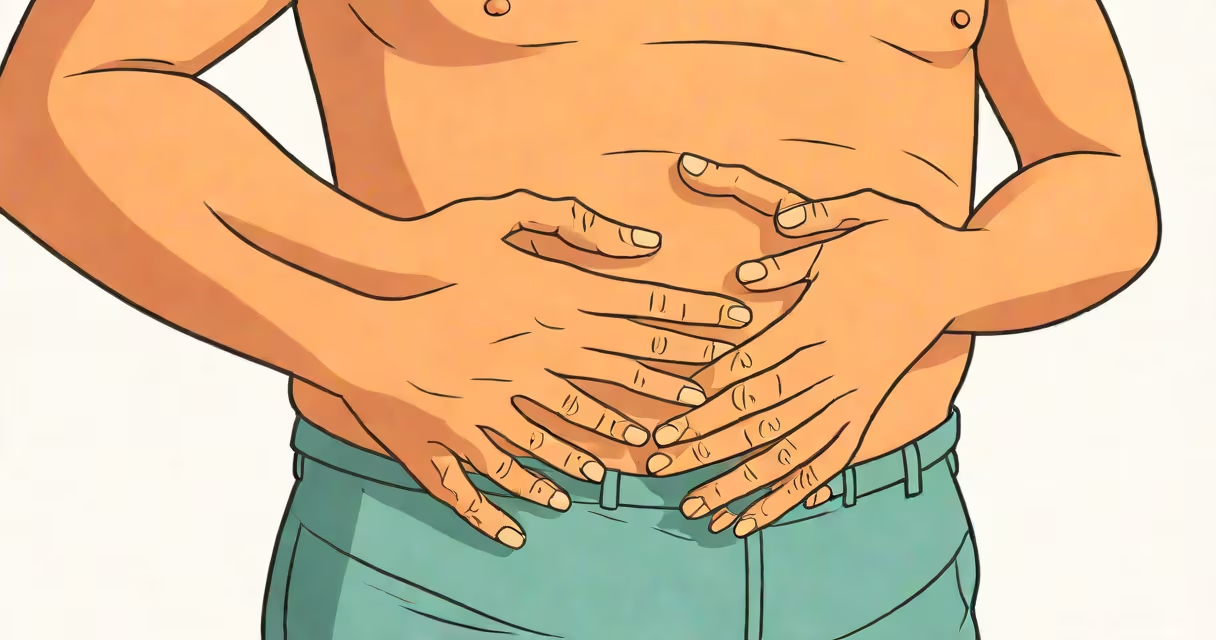
Abdominal pain and what it means depends on location, onset speed, duration, and accompanying symptoms. It can range from mild digestive discomfort to a sign of life-threatening illness. The abdomen contains organs including the stomach, intestines, liver, pancreas, and kidneys-each capable of causing distinct pain patterns.
Pain in the upper right quadrant may indicate gallbladder disease. Lower left pain often points to diverticulitis. Central or diffuse pain may stem from gastritis, food poisoning, or irritable bowel syndrome. Sharp, sudden pain suggests a perforated organ or obstruction. Dull, persistent ache may reflect chronic inflammation or functional disorders.
According to the American College of Gastroenterology, 10% of adults report abdominal pain annually, with 1% requiring emergency care. Not all pain signals a medical emergency-but ignoring certain warning signs increases risk. Recognizing patterns helps determine urgency.
The abdomen houses a network of nerves that transmit signals to the brain. When tissue is inflamed, stretched, or damaged, nociceptors activate and send pain messages via spinal pathways. Some pain arises from visceral organs; others come from the peritoneum, muscles, or skin.
Pain perception varies widely. A 2021 study in Gastroenterology found that individuals with irritable bowel syndrome (IBS) show heightened sensitivity to normal gut contractions. This means the same level of intestinal movement can feel painful to one person and unnoticed by another.
For example, a person with IBS may feel cramping after eating a meal rich in FODMAPs (fermentable carbohydrates), while someone without the condition experiences no discomfort. The brain interprets the signal differently based on prior experience and nervous system state.
Abdominal pain falls into two categories: acute and chronic. Acute pain begins suddenly and lasts less than 7 days. Chronic pain persists for more than 3 months. The difference affects diagnosis and treatment.
| Type | Duration | Common Causes | Red Flags |
|---|---|---|---|
| Acute | <7 days | Food poisoning, gallstones, appendicitis, urinary tract infection | High fever, vomiting blood, inability to pass stool or gas |
| Chronic | >3 months | Irritable bowel syndrome, Crohn's disease, chronic pancreatitis | Unintended weight loss, night pain, blood in stool |
Appendicitis typically starts near the navel and migrates to the lower right side. Pain worsens with movement, coughing, or pressure. A 2020 review in Annals of Internal Medicine reported that 60% of patients with appendicitis initially describe vague discomfort before localized pain develops.
Another key distinction: referred pain. For example, heart attack pain sometimes radiates to the upper abdomen, mimicking indigestion. A 2019 study in JAMA Internal Medicine found that 15% of women experiencing heart attacks reported abdominal pain as their primary symptom, delaying diagnosis.
Pain location offers clues. Upper central pain may stem from peptic ulcers or pancreatitis. Left-sided pain often involves the colon, especially in diverticulitis. Right-sided pain can indicate appendicitis or kidney stones.
For instance, a 34-year-old woman presented with sharp pain in the lower right abdomen lasting 12 hours. She had no fever but reported nausea and loss of appetite. CT scan confirmed early-stage appendicitis. Surgery was performed within 24 hours. Delayed treatment increases rupture risk from 5% to 30%.
After norovirus infection, abdominal pain commonly follows. The virus triggers intense intestinal contractions and inflammation. Most cases resolve in 24-48 hours. However, persistent pain beyond 72 hours may indicate secondary infection or dehydration-related electrolyte imbalance.
One patient I treated had recurrent pain after norovirus. Stool tests ruled out bacterial pathogens. Further evaluation revealed post-viral IBS. Symptoms improved with low-FODMAP diet and stress management. This illustrates how acute infections can trigger long-term functional issues.
Many assume abdominal pain always means gastrointestinal trouble. But pain can originate from non-digestive systems. For example, pneumonia can cause referred pain to the upper abdomen due to diaphragmatic irritation. A 2022 case series in Clinical Infectious Diseases documented five patients misdiagnosed with gastritis before chest X-rays revealed lung infiltrates.
Another frequent error: equating pain severity with illness seriousness. A severe cramp from menstrual cycle can feel worse than early appendicitis. Conversely, pancreatic cancer may progress silently until advanced stages. The National Institute of Diabetes and Digestive and Kidney Diseases notes that early pancreatic cancer rarely causes symptoms.
Some people dismiss pain as "just gas" or "stress." But when pain alters sleep, appetite, or daily function, it requires attention. A 2023 survey by the American Gastroenterological Association found that 40% of patients delayed seeking care for abdominal pain due to fear of unnecessary testing.
Seek immediate care if pain is sudden, severe, or accompanied by:
Chronic pain lasting more than four weeks warrants evaluation. Even mild recurring pain may signal underlying inflammation or structural issues. Early diagnosis improves outcomes for conditions like celiac disease, which affects 1 in 100 people and often presents with abdominal pain and fatigue.