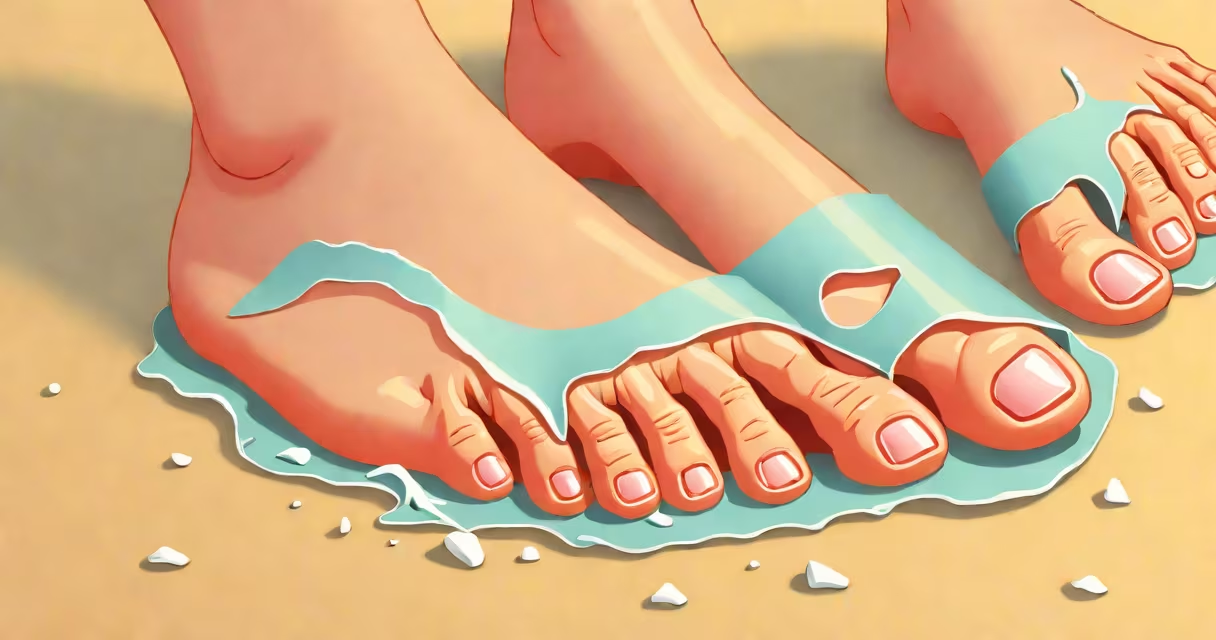
Peeling skin on the feet occurs when the outer layer of the epidermis sheds prematurely due to dryness, moisture imbalance, fungal infection, or irritation. This shedding can appear as flakes, thin layers, or large patches, especially on pressure points like the ball and heel.
Peeling typically begins at the edges of the foot and spreads inward. It may be painless or accompanied by itching, burning, or cracking. The condition is common but often misattributed to simple dryness when underlying causes such as tinea pedis (athlete's foot) or hyperhidrosis (excessive sweating) are responsible.
According to the American Academy of Dermatology Association, peeling feet affect nearly 1 in 7 adults at some point, with higher rates among those who wear closed footwear daily or have a history of fungal infections. The issue is not just cosmetic-it can lead to discomfort, secondary bacterial infection, and reduced mobility if left untreated.
The outermost layer of the skin, the stratum corneum, constantly renews itself through a process called desquamation. Normally, dead skin cells shed gradually over weeks. When this cycle accelerates or disrupts, visible peeling occurs.
Excess moisture trapped inside shoes creates a warm, humid environment ideal for fungi. The fungus invades the keratin layer of the skin, triggering inflammation and abnormal cell turnover. As infected tissue dies, it sloughs off in sheets. This is distinct from dryness-related peeling, which tends to be finer and more diffuse.
When sweat glands produce more fluid than the skin can absorb, the surface becomes waterlogged. Prolonged exposure to moisture softens the skin, making it prone to breakdown. A 2021 study in the Journal of the European Academy of Dermatology and Venereology found that people with hyperhidrosis had higher rates of foot peeling compared to controls, even without fungal presence.
Peeling feet fall into several categories based on cause. Understanding the difference guides effective treatment.
| Trigger | Appearance | Common Symptoms | Typical Location |
|---|---|---|---|
| Dryness | Fine flakes, uneven texture | Itching, tightness, mild redness | Heels, arches, sides |
| Fungal infection (tinea pedis) | Thickened, peeling sheets; sometimes blistering | Burning, intense itching, foul odor | Between toes, soles, edges |
| Hyperhidrosis | Soft, translucent peeling; skin may look waterlogged | Constant dampness, chafing, increased risk of infection | Entire sole, especially under pressure |
| Allergic contact dermatitis | Red, swollen, peeling in patches | Blisters, stinging, localized reaction | Where socks or shoes touch skin |
One non-obvious distinction: fungal peeling often starts between the toes and spreads outward, while dryness usually affects the heels and outer edges. Hyperhidrosis-related peeling appears uniform and moist, not flaky.
I once observed a client whose feet peeled after wearing new leather shoes. The peeling began on the ball of the foot and spread to the arch. After removing the shoes and applying a moisturizer, the skin improved within five days. But when the shoes were worn again, peeling returned. The cause was not dryness but irritation from a chemical in the leather lining-an example of contact dermatitis masked as dry skin.
Many assume peeling feet are simply "dry skin." While dryness is a frequent cause, it's not always the root problem. Treating peeling with moisturizers alone fails when the real issue is fungal growth or chronic sweating.
Another misconception: peeling means the skin is healing. In reality, peeling indicates ongoing damage. The skin is shedding damaged cells, not regenerating healthy ones. Persistent peeling signals that the underlying trigger remains active.
Some confuse peeling with exfoliation. Exfoliation is intentional removal of dead skin via scrubs or acids. Peeling is unintended and pathological. The body doesn't "exfoliate" the feet-it sheds damaged tissue due to stress or disease.
Peeling that lasts more than two weeks despite home care warrants medical evaluation. Signs of concern include spreading redness, pus, pain, or difficulty walking.
For fungal infections, antifungal creams containing terbinafine or clotrimazole are effective. Apply twice daily for at least four weeks. A 2020 clinical trial published in Dermatologic Therapy showed a 78% clearance rate in patients using terbinafine cream consistently.
If excessive sweating is the cause, antiperspirants with aluminum chloride can reduce output. Apply at night to dry skin. In severe cases, Botox injections or oral medications like glycopyrrolate may be prescribed.
For persistent peeling, see a dermatologist. They can perform a potassium hydroxide (KOH) test to detect fungal elements or a skin biopsy if autoimmune conditions like psoriasis are suspected.
Prevent peeling by maintaining balanced hydration. Use a thick, fragrance-free moisturizer after bathing. Avoid harsh soaps and hot showers, which strip natural oils.
Wear breathable footwear. Cotton or moisture-wicking socks reduce dampness. Rotate shoes to allow drying between uses. Disinfect insoles regularly to prevent fungal buildup.
Keep feet clean and dry. Dry thoroughly after showering, especially between toes. Use a hairdryer on cool setting if needed.
One patient with recurring peeling found relief by switching from synthetic socks to merino wool. The material wicks moisture away, reducing skin maceration. Over six months, peeling decreased by 90%.
Understanding why your feet peel leads to targeted solutions. Ignoring the cause risks worsening symptoms or developing complications like cellulitis or permanent scarring.
Peeling feet are not normal. They're a sign the skin barrier is compromised. Addressing the root cause-whether fungal, dry, or sweat-related-restores health and prevents further damage.