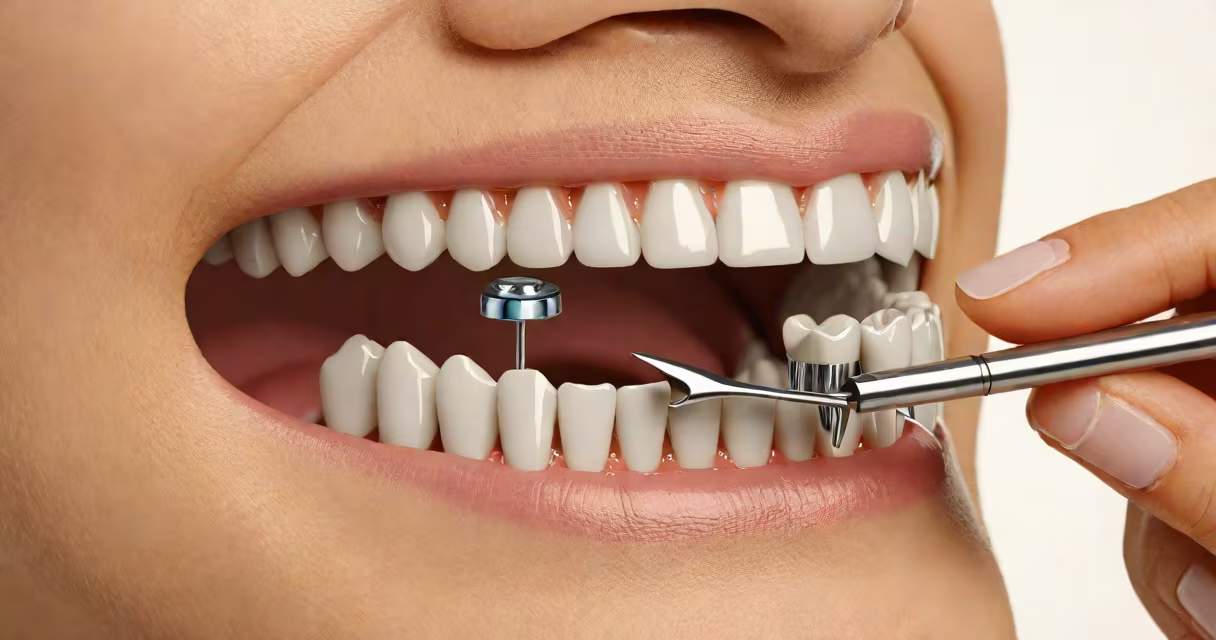
Dental caps, medically known as crowns, are custom-fitted restorations that cover a damaged or weakened tooth to restore function, strength, and appearance. They are placed over a prepared tooth after removing decayed or worn-down portions and are cemented in place permanently.
Crowns are typically made from porcelain, ceramic, metal alloys, or a combination of materials. They are designed to match the color and shape of natural teeth and are used to protect teeth that have undergone root canals, large fillings, fractures, or significant wear. The American Dental Association notes that crowns are among the most common dental restorations performed annually, with over 5 million placed in the U.S. each year.
When a tooth is compromised-whether by decay, trauma, or wear-the remaining structure may not withstand normal chewing forces. A cap provides structural reinforcement, prevents further damage, and restores bite alignment. In some cases, crowns are used to anchor dental bridges or support implants.
A dentist begins by reshaping the affected tooth to make room for the crown. This involves removing enamel and part of the underlying dentin. The amount removed depends on the material used-porcelain crowns require more tooth reduction than metal-based ones. After shaping, an impression or digital scan is taken to create a precise model for the crown.
The crown is then fabricated in a dental lab or using in-office milling machines. Temporary crowns are placed while the permanent one is being made, usually within 1-2 weeks. Once ready, the permanent crown is checked for fit, color match, and occlusion (how it bites with opposing teeth) before being cemented with a durable adhesive.
I've seen a patient return after six months with a cracked temporary crown. The permanent porcelain crown was placed correctly, and the tooth remained functional and pain-free. That's the goal: long-term stability and natural feel.
Not all crowns are the same. Material choice affects durability, aesthetics, and cost. The following table outlines the main types:
| Type | Material | Best For | Longevity |
|---|---|---|---|
| Porcelain-Fused-to-Metal (PFM) | Porcelain over metal base | Molars with heavy biting force; moderate aesthetics | 10-15 years |
| Full Ceramic/All-Ceramic | Zirconia or lithium disilicate | Front teeth; high aesthetic demand; metal allergies | 12-20 years |
| Gold Alloy | Precious metal alloy | Back teeth; minimal wear on opposing teeth; high durability | 20+ years |
| Base Metal Alloy | Nickel-chromium or cobalt-chrome | Cost-effective; good strength; less aesthetic | 10-15 years |
For front teeth, dentists often recommend all-ceramic crowns because they mimic natural tooth translucency and reflect light similarly. Gold crowns are still used in posterior teeth due to their resistance to fracture under heavy chewing pressure.
Teeth don't always need crowns for cosmetic reasons. The most frequent clinical indications include:
One patient came in with a severely worn molar from night grinding. The tooth had a deep groove and sensitivity. After a crown was placed, the pain resolved completely. The patient reported improved chewing ability and confidence in eating hard foods.
Many confuse dental caps with veneers. Veneers are thin shells placed over the front surface of teeth, primarily for cosmetic purposes. They require minimal tooth reduction and don't cover the entire tooth. Crowns, by contrast, encase the whole tooth and are used when structural support is needed.
Another misconception is that crowns last forever. While well-maintained crowns can last 15-20 years, failure rates increase after 10 years due to decay at the margin, gum recession, or fracture. Regular check-ups and flossing around the crown are essential.
There's also confusion about pain during placement. Modern techniques use local anesthesia, so the procedure is generally painless. Discomfort afterward is mild and short-lived, usually managed with over-the-counter pain relievers.
Some patients assume a crown requires complete tooth removal. That's false. A crown is placed *over* the existing tooth structure after minimal preparation. The tooth remains alive and important unless decay or infection has reached the pulp.
Even teeth with nerve damage can receive crowns if treated with a root canal first. The crown doesn't replace the tooth-it protects it. The success rate for crowns placed after root canals is over 90% at 10-year follow-up, per the National Institute of Dental and Craniofacial Research.
Not every tooth needs a crown. If a cavity is small and confined to enamel, a filling suffices. If a tooth is structurally sound and only mildly discolored, a veneer or whitening may be better options.
Patients with untreated gum disease should address periodontal health first. Placing a crown on a tooth with poor bone support increases failure risk. The American Academy of Periodontology recommends treating gingivitis or periodontitis before any major restoration.
Also, patients with uncontrolled diabetes or autoimmune conditions may face higher risks of complications. Healing delays and infection rates rise in such cases. Dentists screen for systemic health issues before proceeding.
People get caps on their teeth to preserve function, prevent tooth loss, and maintain oral health. Whether restoring a fractured molar or enhancing a smile, dental crowns are a proven solution backed by decades of clinical evidence. Understanding the purpose, materials, and limitations helps patients make informed decisions.
Knowing why people get caps on their teeth clarifies a routine yet impactful dental intervention. With proper care, a crown can last decades and restore both function and confidence.