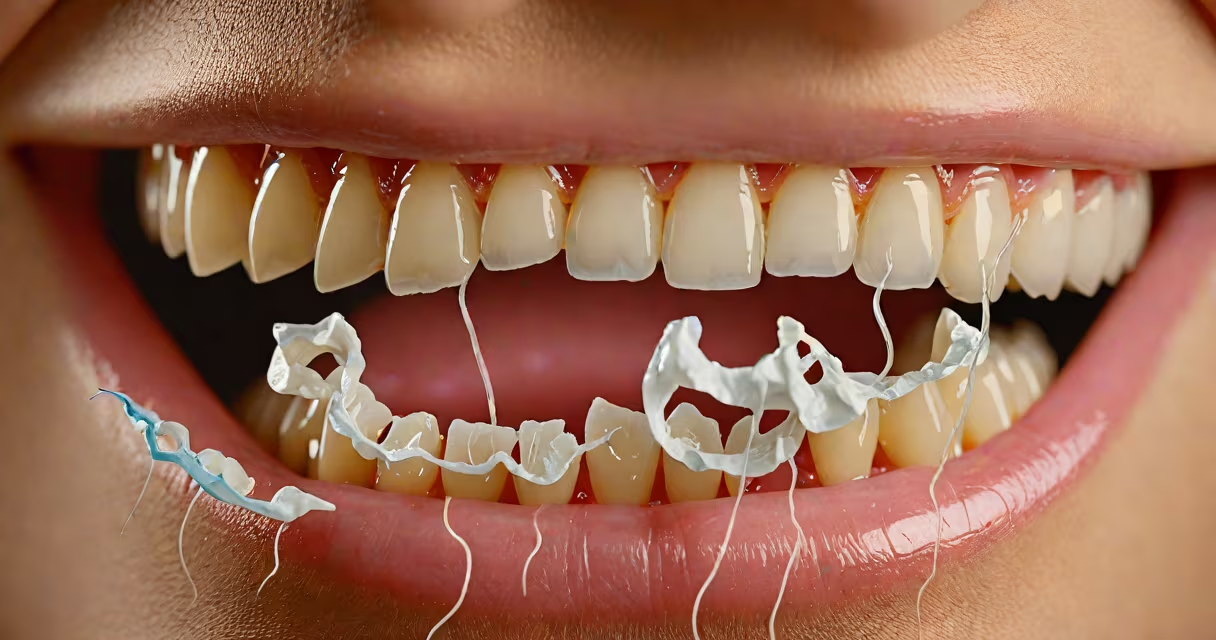
Flossing causes temporary bad breath because it dislodges food particles and anaerobic bacteria trapped in gum pockets, releasing volatile sulfur compounds. This is normal and indicates flossing is working.
When you floss, you're not just cleaning between teeth-you're disturbing a hidden system. Plaque and food debris accumulate in tight spaces between teeth and below the gumline. Anaerobic bacteria thrive in these low-oxygen zones, feeding on proteins and carbohydrates. As they metabolize, they produce volatile sulfur compounds (VSCs)-the primary cause of foul-smelling breath.
These compounds include hydrogen sulfide (rotten egg smell), methyl mercaptan (garlic-like), and dimethyl sulfide (sweet, rotten cabbage). A 2019 study in the Journal of Clinical Periodontology confirmed that VSC levels spike during mechanical disruption of subgingival biofilms, such as when flossing.
Flossing physically removes layers of bacterial colonies and trapped debris. The sudden release of metabolic byproducts causes a noticeable smell. This is not a sign of poor hygiene-it's evidence the process is effective.
For example, someone who skips flossing for a week may have 10-15 mg of plaque per tooth surface. Flossing removes this material in under 30 seconds per interdental space. The bacteria die or move rapidly, releasing VSCs in concentrated bursts. The smell typically fades within 10 minutes after rinsing.
Even brushing doesn't reach these areas. The American Dental Association notes that brushing cleans 60% of tooth surfaces, while flossing covers the remaining 40%, including the 3 mm gap between teeth where decay and odor begin.
While bacteria are the main culprit, other factors contribute to post-flossing odor:
A 2021 study in the International Journal of Oral Science found that individuals with moderate gingivitis had 3.5 times higher VSC concentrations after flossing compared to healthy controls. This confirms that flossing amplifies odor in inflamed tissues-but also shows improvement over time with consistent care.
Some people assume flossing itself causes bad breath. That's incorrect. Flossing is a tool for removal-not a source of odor. The smell comes from what's being removed.
Confusion arises because many mistake transient odor for permanent bad breath. A 2020 survey by the American Academy of Periodontology showed 68% of patients reported "smelly floss" after use, but only 12% had persistent halitosis. Most smelled only briefly after flossing and returned to baseline within 15 minutes.
Another misconception: that flossing damages gums. The American Dental Association states that proper flossing does not harm healthy tissue. Bleeding during flossing indicates inflammation, not injury. If bleeding persists after two weeks of daily flossing, consult a dentist.
Consider Sarah, a 34-year-old office worker. She wakes up with morning breath, brushes for 2 minutes, then flosses. After flossing, she notices a strong sulfur smell. She rinses with water and waits 10 minutes. The odor disappears. Her dentist later finds early signs of gingivitis but no decay.
Her experience is typical. The smell came from bacteria breaking down proteins in her gum crevices. Flossing disrupted the biofilm, releasing VSCs. Rinsing helped flush out residual compounds. Over time, consistent flossing reduced her gum inflammation and long-term odor.
Post-flossing odor doesn't require treatment if it resolves quickly. But if it lingers or worsens, consider:
I've seen patients report lasting odor after flossing. In one case, a patient used waxed floss that broke off in a deep pocket. The fragment remained for days, feeding bacteria. Removing it resolved the issue. Always check for floss fragments after use.
Not all floss behaves the same. Material and design affect how much debris is pulled out-and how much odor is released.
| Type | Debris Removal | Odor Risk | Best For |
|---|---|---|---|
| Waxed nylon | High | Medium-high | Wide gaps, tight spaces |
| Unwaxed nylon | High | Medium | Regular spacing, sensitive gums |
| Polytetrafluoroethylene (PTFE) | Very high | Low | Deep pockets, orthodontic work |
| Water flosser (oral irrigator) | High | Low | Receding gums, implants |
PTFE floss (like Glide) is less likely to shred and trap debris. A 2022 clinical trial published in the Journal of Periodontology found PTFE floss removed 27% more plaque than waxed floss in interproximal areas.
If bad breath persists after flossing, even with good hygiene, see a dentist. Chronic halitosis affects 25% of adults, according to the Mayo Clinic. Causes include untreated periodontal disease, impacted wisdom teeth, or oral infections.
For example, a patient with a buried molar developed a cyst that leaked pus. The odor was masked by toothpaste and mouthwash until flossing revealed the source. Diagnosis required a CT scan and surgical drainage.
Remember: flossing is not optional. It's a necessary step in preventing cavities and gum disease. The temporary smell is a sign of progress, not failure.