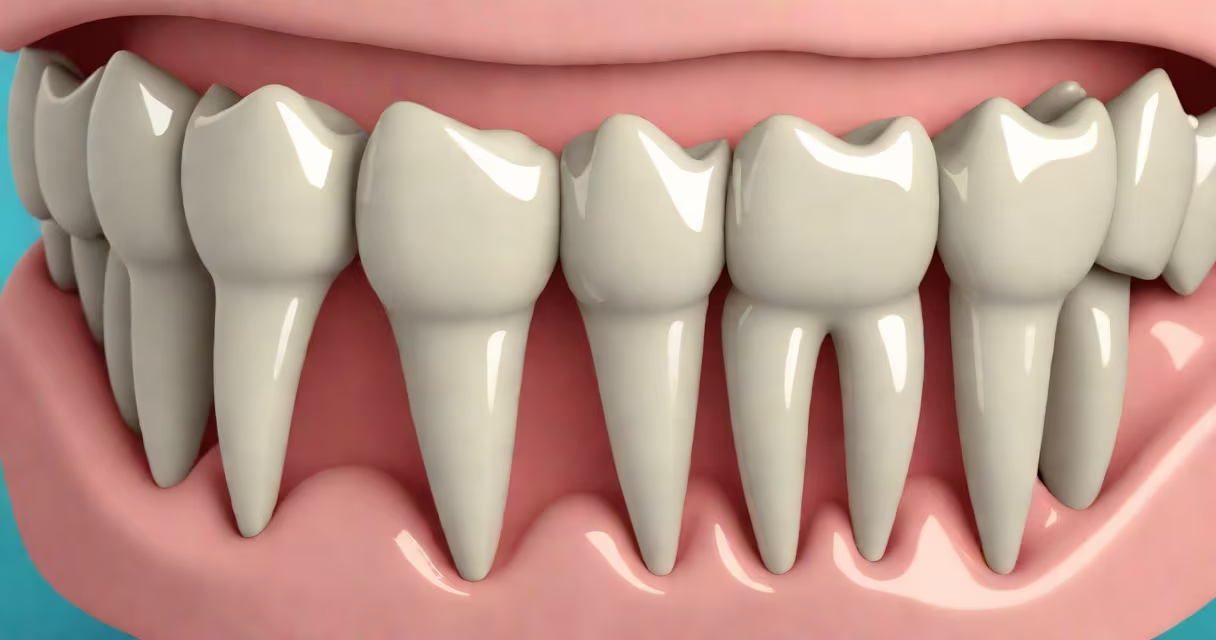
Teeth chipping off occurs when the outer layer of enamel wears away or fractures due to physical stress, acid exposure, or underlying dental conditions. This process can lead to sharp edges, sensitivity, and increased risk of decay.
Enamel is the hardest substance in the human body, yet it cannot regenerate. Once damaged, it cannot repair itself. When enamel erodes or cracks, the softer dentin beneath becomes exposed, leading to rapid deterioration. The result is visible chips, cracks, or even pieces breaking off entirely.
Common triggers include grinding teeth during sleep (bruxism), consuming acidic foods and drinks, trauma from biting hard objects, or untreated tooth decay. Left unaddressed, chipping can progress to pain, infection, or tooth loss.
Tooth chipping begins with enamel degradation. Enamel resists normal chewing forces, but repeated exposure to acids weakens its structure. A pH below 5.5 dissolves calcium and phosphate minerals in enamel, creating microscopic pits that grow under pressure.
When you grind your teeth at night, the force can exceed 250 pounds per square inch-more than enough to crack enamel. Over time, this mechanical stress leads to microfractures that expand into visible chips. A 2021 study published in Journal of Oral Rehabilitation found that 68% of patients with chronic bruxism showed signs of enamel wear or fracture within five years.
Acidic substances such as citrus fruits, soda, energy drinks, and even stomach acid from acid reflux lower oral pH. Saliva normally neutralizes acid within 20 minutes, but frequent exposure overwhelms this system. The American Dental Association reports that daily consumption of carbonated beverages increases enamel erosion risk by 30% compared to non-consumers.
Not all surface irregularities are chipping. Confusing them can delay proper treatment. Here's how to distinguish:
| Type | Appearance | Common Cause | Reversible? |
|---|---|---|---|
| Enamel erosion | Smooth, rounded edges; gradual thinning | Dietary acid, acid reflux | No - irreversible |
| Fracture | Sharp, jagged edges; may expose dentin | Trauma, bruxism, large fillings | No - requires restoration |
| Wear from attrition | Flattened cusps; smooth surfaces | Chewing habits, grinding | No - progressive |
| Microcracks | Faint lines; may not be visible | Thermal changes, occlusal stress | Yes - if caught early |
One key difference: chipping usually involves a piece breaking off completely. Attrition and erosion are gradual wear processes. Microcracks can develop into larger fractures if left untreated.
Many assume that chipping is caused solely by eating hard candy or cracking nuts. While trauma contributes, it's rarely the primary cause. A 2020 review in European Journal of Dentistry found that only 12% of adult tooth fractures were linked to acute injury-most resulted from long-term wear.
Another myth: "My teeth are fine because they don't hurt." Pain doesn't always indicate damage. Sensitivity may appear later, after dentin exposure. By then, significant enamel loss has already occurred.
A non-obvious factor: dry mouth. Reduced saliva flow decreases natural buffering and clearance of food debris and acid. People taking medications like antihypertensives or antidepressants often report increased tooth wear. The National Institute of Dental and Craniofacial Research notes that dry mouth increases caries and erosion risk by up to 40%.
In 2022, a 34-year-old woman presented with multiple chipped incisors and molars. She reported no history of trauma. Her diet included three sodas daily, morning citrus juice, and frequent snacking. She also admitted to waking up with jaw pain and tightness.
Dental examination revealed extensive enamel loss on upper front teeth and lateral molars. Bite analysis showed heavy wear patterns consistent with bruxism. Salivary flow tests confirmed low output. Diagnosis: combined erosion from diet and bruxism-induced attrition.
After six months of intervention-including switching to water and herbal tea, using a night guard, applying fluoride varnish twice monthly, and reducing snacking-no new chips appeared. Existing damage was sealed with composite resin to prevent progression.
If you notice chips, cracks, or rough edges on your teeth, schedule a dental evaluation. Early detection prevents deeper structural damage. Avoid hard foods, reduce acidic intake, and use a soft-bristled toothbrush with fluoride toothpaste.
For nighttime grinding, a custom-fitted night guard reduces force transmission to teeth. The American Academy of Sleep Medicine recommends wearing one if you have signs of bruxism-jaw soreness, headaches, or worn-down tooth surfaces.
Prevention is more effective than repair. Once enamel is gone, it cannot regrow. Treatments like bonding, crowns, or veneers restore function but require removing healthy tooth structure.
Understanding why your teeth are chipping off helps you act before irreversible damage occurs. Addressing root causes-acid exposure, grinding, dry mouth-can stop the cycle. If you're unsure about your symptoms, consult a dentist who specializes in restorative or preventive care.