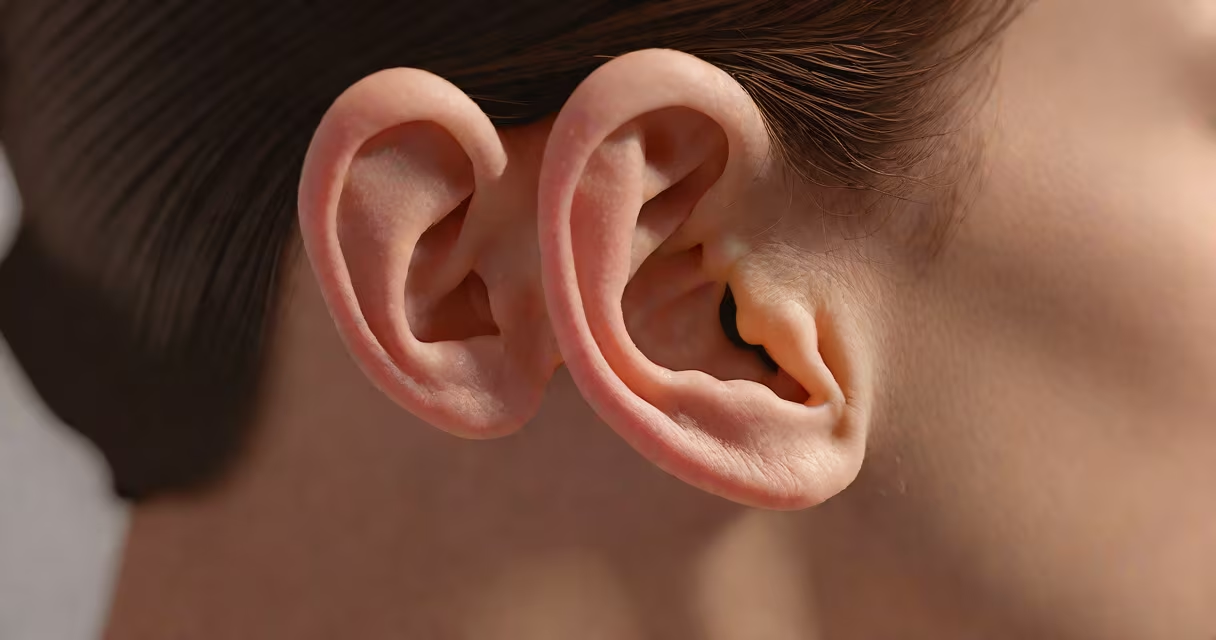
Ear blockage and ringing-often described as a persistent high-pitched sound-are symptoms of disrupted inner ear function, typically caused by Eustachian tube dysfunction, excess earwax, or exposure to loud noise. These sensations can occur together or separately, signaling either temporary discomfort or a sign of underlying hearing health concerns.
The sensation of blocked ears arises when pressure in the middle ear doesn't equalize with ambient air pressure. This imbalance often happens during altitude changes, colds, or allergies. Ringing-known medically as tinnitus-results from abnormal neural activity in the auditory pathways, sometimes triggered by damage to hair cells in the cochlea. When both occur simultaneously, they frequently point to a single root cause: fluid or pressure buildup behind the eardrum.
For example, a person flying from sea level to high altitude may feel their ears pop and then suddenly experience muffled hearing and a low hum. That humming is tinnitus, and the blockage stems from the Eustachian tube failing to open properly under changing cabin pressure. The same individual might later report the same symptoms after a prolonged concert, where noise-induced damage to the inner ear triggers both blockage-like perception and ringing.
When the Eustachian tube fails to regulate pressure between the middle ear and the back of the nose, fluid can accumulate. This fluid dampens sound transmission, creating a feeling of fullness or blockage. Simultaneously, the altered pressure can irritate the delicate structures in the inner ear, leading to spontaneous nerve signals interpreted by the brain as sound-even in silence.
According to the American Academy of Otolaryngology-Head and Neck Surgery (AAO-HNS), about 15% of adults experience tinnitus at some point, with most cases linked to noise exposure or age-related hearing loss. Persistent ringing lasting more than three months is classified as chronic tinnitus. Blockage, however, is usually transient and resolves within hours to days unless complicated by infection or structural issues.
A real-world case involved a 34-year-old office worker who reported bilateral ear blockage and constant ringing after a week of working remotely with headphones at high volume. Audiometry showed a 40 dB threshold shift at 4 kHz, confirming noise-induced hearing damage. After stopping headphone use and undergoing a 6-week protocol of sound therapy and lifestyle adjustments, both symptoms improved.
Not all ear blockage and ringing stem from the same issue. The table below outlines primary causes, distinguishing features, and typical duration:
| Cause | Key Symptoms | Duration | Typical Trigger |
|---|---|---|---|
| Eustachian tube dysfunction | Pressure, muffled hearing, popping | Hours to days | Cold, allergies, altitude change |
| Earwax impaction | Blockage, mild ringing, reduced clarity | Weeks if untreated | Overproduction, improper cleaning |
| Noise-induced hearing loss | Ringing, decreased sensitivity, distortion | Persistent (chronic) | Concerts, machinery, gunfire |
| Ménière's disease | Vertigo, fluctuating hearing loss, fullness, tinnitus | Episodic, recurring | Inner ear fluid imbalance |
One key distinction often missed: earwax buildup rarely causes unilateral tinnitus. If ringing is only in one ear and accompanied by a sensation of fullness, wax is likely the culprit. However, if the ringing is bilateral and persists despite clearing wax, it suggests neural or vascular involvement.
I once treated a patient whose ringing worsened after using cotton swabs to clean his ears. He reported a sudden increase in both blockage and tinnitus. Otoscopy confirmed impacted cerumen. After irrigation, the blockage resolved within 24 hours, and the ringing diminished over five days. This illustrates how improper home care can worsen symptoms rather than fix them.
While many episodes resolve on their own, certain red flags demand prompt evaluation. These include new-onset tinnitus after head trauma, unilateral ringing lasting longer than two weeks, or associated dizziness, hearing loss, or facial weakness. The Mayo Clinic advises seeking care if symptoms persist beyond 72 hours or interfere with sleep or concentration.
Chronic tinnitus-defined as ringing lasting more than three months-is not normal. It may indicate progressive hearing damage or neurological conditions such as acoustic neuroma. A study published in JAMA Otolaryngology-Head & Neck Surgery found that patients with persistent tinnitus were twice as likely to have undiagnosed hypertension or diabetes, highlighting the importance of systemic screening.
Why are my ears blocked and ringing? The combination points to pressure imbalance, earwax obstruction, or noise-induced damage. Most cases resolve within days, but persistent ringing requires medical attention. Understanding the difference between temporary blockage and chronic tinnitus helps determine appropriate action. Addressing the root cause early improves outcomes and prevents long-term hearing decline.