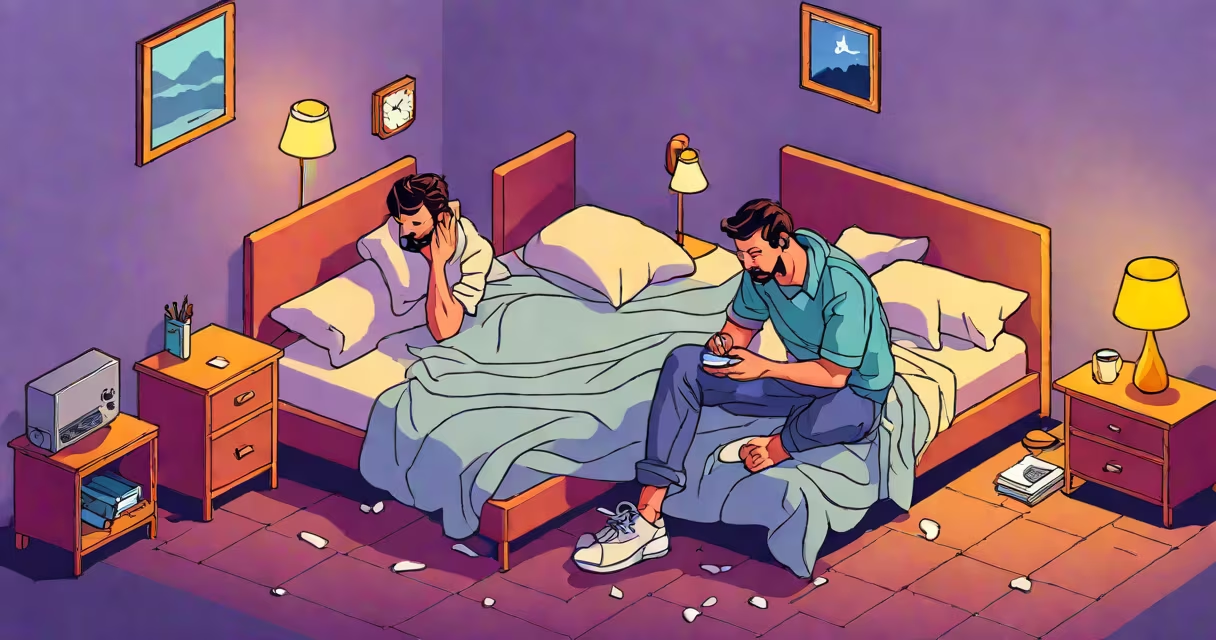
Cold sweats-sudden, clammy perspiration without heat or exertion-are a physical response triggered by the nervous system during stress, illness, or metabolic imbalance. They occur when the body activates its fight-or-flight response, causing blood vessels to constrict and sweat glands to release moisture, often accompanied by shivering or a drop in skin temperature.
These episodes aren't just about feeling wet. They're physiological alarms. The autonomic nervous system releases adrenaline and norepinephrine in response to perceived threats, whether real or imagined. This triggers sweat production even when ambient temperature remains stable. Cold sweats can happen during sleep, while resting, or during panic attacks.
Common triggers include anxiety disorders, hypoglycemia (low blood sugar), infections like tuberculosis or HIV, and certain medications. In rare cases, they signal serious conditions such as heart attacks or pheochromocytoma-a tumor that overproduces adrenaline. Identifying the root cause requires attention to timing, context, and accompanying symptoms.
The body's sympathetic nervous system controls cold sweats. When activated-by fear, pain, or internal imbalance-it signals sweat glands to produce fluid, often on the palms, forehead, and underarms. Unlike normal sweating from heat or exercise, cold sweats happen without increased core temperature.
This process is mediated by the hypothalamus, which regulates body temperature and emotional responses. During a stress response, the hypothalamus sends signals through the spinal cord to sweat glands. Blood flow shifts away from the skin toward important organs, leading to cool, clammy skin despite the sweat.
A 2021 study published in Frontiers in Neurology found that patients with generalized anxiety disorder experienced higher sweat gland activity during rest compared to healthy controls, confirming that psychological stress alone can trigger cold sweats without external stimuli.
Not all cold sweats stem from the same cause. The most frequent origins fall into four categories: neurological, metabolic, infectious, and psychiatric.
| Trigger Type | Common Causes | Typical Symptoms |
|---|---|---|
| Nervous System | Anxiety, panic attacks, PTSD | Sweating during stillness, trembling, racing heart |
| Metabolic | Hypoglycemia, hyperthyroidism | Fatigue, dizziness, shaking, hunger pangs |
| Infectious | Tuberculosis, HIV, endocarditis | Chills, fever, weight loss, night sweats lasting weeks |
| Medication-Induced | Antidepressants, antipsychotics, beta-blockers | Sweating within hours of taking medication |
For example, a 42-year-old woman reported waking multiple nights with cold sweats, fatigue, and unexplained weight loss. After testing, she was diagnosed with latent tuberculosis. Her cold sweats were part of a systemic immune response, not anxiety. She had no history of mental health issues, proving that cold sweats aren't always psychological.
Another patient, a 58-year-old man with type 2 diabetes, experienced cold sweats during fasting periods. His blood glucose dropped below 60 mg/dL. After consuming glucose tablets, his symptoms resolved within 15 minutes. This confirmed hypoglycemia as the trigger.
Cold sweats are frequently mistaken for hot flashes, especially in women. Hot flashes involve sudden warmth, flushing, and sweating due to hormonal shifts. Cold sweats feel wet and cool to the touch and are often linked to weakness or nausea-not heat.
They also differ from night sweats caused by fever. Night sweats typically involve heavy, soaking sweat during sleep, often tied to infection or inflammation. Cold sweats may occur without fever, and the skin feels chilled rather than warm.
A common error is dismissing cold sweats as "just anxiety." While anxiety is a major cause, it's not the only one. A 2020 review in Journal of Clinical Medicine noted that 37% of patients presenting with cold sweats had non-psychiatric diagnoses, including cardiac events and endocrine disorders. Ignoring physical causes risks missing treatable conditions.
See a doctor if cold sweats occur repeatedly, last longer than a few days, or come with other warning signs. Red flags include:
I once saw a patient who woke nightly with cold sweats and fatigue. He'd dismissed them as stress-related for months. Eventually, he presented with a 10-pound weight loss and persistent cough. A CT scan revealed early-stage lymphoma. His cold sweats were a systemic sign, not just anxiety.
Diagnostic steps usually start with blood tests-checking glucose, thyroid function, and inflammatory markers. An electrocardiogram may be ordered if chest discomfort is present. For recurring episodes, a 24-hour Holter monitor can detect irregular heart rhythms.
If your cold sweats are linked to medication, talk to your doctor before stopping. Some antidepressants like sertraline and paroxetine are known to cause excessive sweating. Switching to alternatives like bupropion may reduce side effects.
Understanding why you're getting cold sweats begins with tracking patterns. Note the time of day, duration, associated symptoms, and recent changes in diet, sleep, or medication. Keep a log for at least a week.
If episodes persist beyond a few days or include red-flag symptoms, consult a healthcare provider. Early diagnosis prevents complications. For example, untreated hypoglycemia can lead to seizures; undiagnosed infections can progress to organ failure.
Knowing the difference between stress-induced cold sweats and those signaling deeper health issues is critical. The body doesn't send false alarms. When you sweat cold, it's not just a sensation-it's a message.