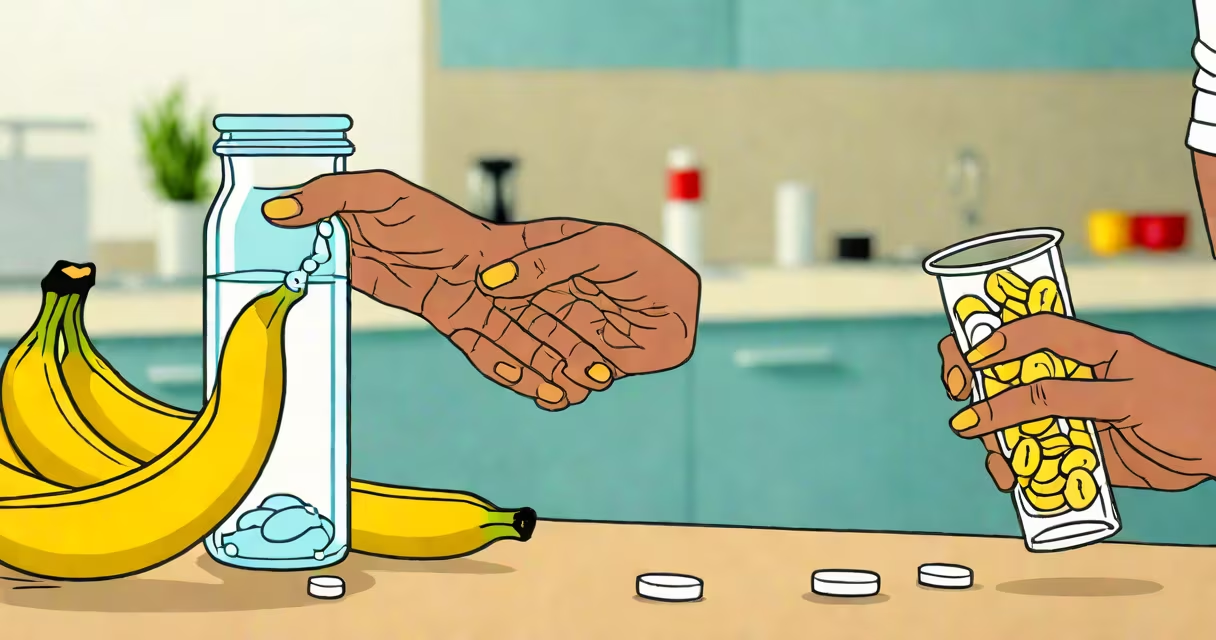
Loose stools are frequent, watery bowel movements caused by rapid intestinal transit or impaired fluid absorption. They typically resolve within 24-48 hours with hydration and dietary adjustments. Persistent or severe cases may signal infection, food intolerance, or underlying conditions.
Loose stools result from disrupted gut motility and electrolyte imbalance. The intestines move contents too quickly or fail to absorb water, leading to liquid output. Common triggers include viral gastroenteritis (e.g., norovirus), bacterial contamination (e.g., Salmonella), food sensitivities (lactose, FODMAPs), medications (antibiotics), or stress-induced changes in gut function.
According to the Centers for Disease Control and Prevention (CDC), acute diarrhea affects about 179 million people annually in the U.S., with most cases resolving without medical intervention. The American Gastroenterological Association notes that mild episodes often require only supportive care-hydration, rest, and temporary dietary modification-not antibiotics or antidiarrheals unless indicated.
Hydration is the priority. Dehydration risk increases rapidly during loose stools, especially in children and older adults. Replace lost fluids with oral rehydration solutions (ORS) containing sodium, potassium, and glucose. A 2020 study in Clinical Infectious Diseases showed ORS reduced hospitalization rates by 40% compared to plain water in pediatric cases.
Follow the BRAT diet-bananas, rice, applesauce, toast-for the first 24 hours. These low-fiber, bland foods slow digestion and bind stool. Bananas provide potassium to replace losses; white rice offers easily digestible carbohydrates. Avoid dairy, fatty foods, caffeine, and alcohol during recovery.
Over-the-counter options include loperamide (Imodium) for symptom control in non-infectious cases. However, the FDA warns against using loperamide in suspected infectious diarrhea-it can trap pathogens in the gut and worsen outcomes. Always check the label: loperamide is not recommended for children under 2 years.
Seek care if loose stools last longer than 72 hours, contain blood or pus, or are accompanied by fever above 102°F (39°C), severe abdominal pain, or signs of dehydration (dry mouth, dizziness, reduced urination).
High-risk groups include infants, elderly individuals, and those with chronic illness. A 2021 review in Journal of the American Medical Association found that 15% of adult diarrhea cases requiring hospitalization were due to Clostridioides difficile infections, often triggered by antibiotic use.
For persistent cases, providers may test stool for pathogens, perform blood work, or recommend a colonoscopy if symptoms recur. Chronic loose stools may stem from irritable bowel syndrome (IBS), celiac disease, or inflammatory bowel disease (IBD)-conditions requiring diagnosis and management beyond home care.
Many assume that stopping all food intake speeds recovery. This is incorrect. Fasting prolongs gut dysfunction. The gut needs fuel to repair lining and restore motility. Even small amounts of tolerated foods reduce recovery time.
Another error is assuming probiotics are universally effective. While certain strains (e.g., Lactobacillus rhamnosus GG) show benefit in preventing antibiotic-associated diarrhea, evidence is strain-specific. A 2019 Cochrane review found no improvement in duration when using mixed probiotics.
Some confuse loose stools with constipation. Both fall under bowel dysfunction but represent opposite issues: delayed transit vs. accelerated transit. Misdiagnosis leads to inappropriate treatment-laxatives for loose stools, worsening the condition.
A 32-year-old office worker developed loose stools after eating at a buffet. Symptoms began at 6 PM, with four watery bowel movements and mild cramping. No fever or blood.
She took the following steps: - Drank 500 mL of oral rehydration solution (containing 75 mmol/L sodium, 25 mmol/L glucose). - Ate half a banana and a small bowl of white rice at 8 PM. - Avoided coffee, alcohol, and spicy foods. - Rested and monitored symptoms.
By 10 PM, frequency dropped to one movement. Normal consistency returned by morning. She resumed regular meals after 24 hours.
This aligns with CDC guidelines recommending early rehydration and gradual reintroduction of food. No medication was needed.
Loose stools fall into categories based on onset and context:
| Type | Onset | Common Causes | Management Focus |
|---|---|---|---|
| Acute | Hours to 3 days | Viral (norovirus), food poisoning, antibiotics | Hydration, BRAT diet, avoid loperamide if fever present |
| Chronic | More than 4 weeks | IBS, celiac disease, IBD, pancreatic insufficiency | Medical evaluation, elimination diets, testing |
| Post-infectious | After resolved infection | Altered gut microbiome, immune activation | Probiotics (specific strains), fiber adjustment |
Post-infectious loose stools affect up to 10% of patients after acute gastroenteritis, according to a 2022 study in Gut. These cases often improve with targeted probiotics and dietary fiber reintroduction.
I once managed a week-long episode in my dog after switching to a new kibble. He had loose stools twice daily, no appetite, and mild lethargy. After consulting a vet, we switched to a prescription hypoallergenic diet and added a probiotic supplement. Stool normalized in 72 hours. The experience confirmed that pet digestive issues mirror human ones-diet and microbial balance are key.
Loose stools often co-occur with bloating, gas, and abdominal discomfort. These symptoms suggest carbohydrate malabsorption or small intestinal bacterial overgrowth (SIBO). A 2021 study in Alimentary Pharmacology & Therapeutics found that 35% of patients with functional bloating also reported loose stools.
What to do for loose stools centers on hydration, temporary dietary changes, and symptom monitoring. Most cases resolve in 1-3 days with rest and ORS. Avoid loperamide in febrile or bloody cases. Seek care if symptoms persist beyond 72 hours, worsen, or involve high-risk populations. Chronic or recurrent episodes require medical evaluation to rule out IBS, celiac disease, or other gastrointestinal disorders.
Recovery hinges on supporting the gut's natural repair process-not suppressing it. Focus on fluid replacement, gentle foods, and observing warning signs. Early action prevents complications.