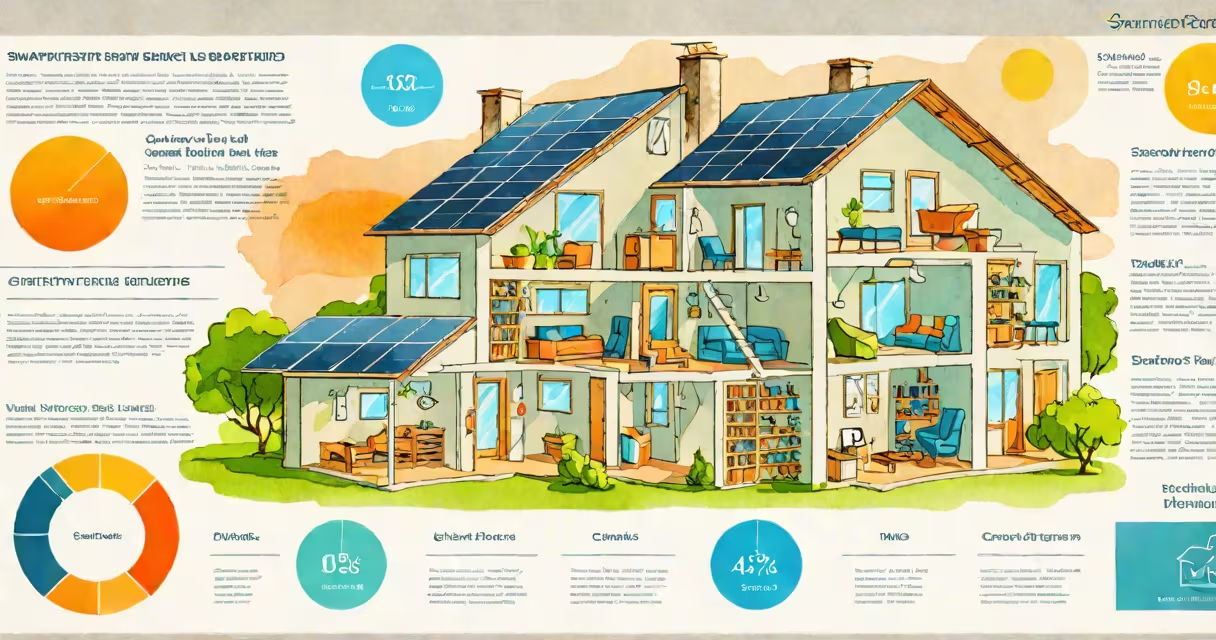
Smartenergy is a system that uses connected devices, real-time data, and automated controls to manage electricity consumption efficiently. It integrates sensors, software, and networked hardware to balance supply and demand, reduce waste, and lower costs. The core function is continuous monitoring and adaptive adjustment based on usage patterns, pricing signals, and grid conditions.
At its foundation, smartenergy relies on the Internet of Things (IoT) and machine learning. Devices such as smart thermostats, meters, and inverters collect data every few seconds. This data flows into central platforms that analyze usage trends, predict peak loads, and trigger actions-like adjusting HVAC settings or shifting appliance operation to off-peak hours. These systems respond faster and more precisely than manual control.
The term "smartenergy" is often used interchangeably with "smart grid," but they are not identical. A smart grid refers to the entire electrical infrastructure upgraded with digital monitoring and control. Smartenergy focuses on the end-user side-the household, business, or building-where decisions about energy use are made. For example, a utility might deploy a smart grid to detect outages across a city, while a homeowner uses smartenergy tools to avoid high-rate periods.
Smartenergy operates through a feedback loop: monitor → analyze → act → re-monitor. Sensors measure voltage, current, temperature, and device activity. Data is sent via Wi-Fi, cellular, or powerline communication to a cloud-based platform. Algorithms process the data to identify inefficiencies, forecast demand, and issue commands.
A typical deployment includes a smart meter, a gateway device, and a user interface-often a mobile app or web portal. When electricity prices spike during peak hours, the system can automatically turn off non-essential loads like water heaters or EV chargers. Once prices drop, it restarts them. This process, known as demand response, prevents strain on the grid and cuts energy bills.
For example, a commercial office building in Austin, Texas, installed a smartenergy system in 2022. The system monitored HVAC, lighting, and server usage across 12 floors. During summer months, it shifted cooling schedules by 30 minutes to avoid 2 PM rate spikes. Over 12 months, the building reduced its energy cost by 18%, saving $14,200 annually. The system paid for itself in 14 months.
Smartenergy systems vary by scale and purpose. Residential setups focus on comfort and cost savings. Commercial and industrial systems emphasize uptime, compliance, and load balancing. Here's a breakdown:
| Type | Primary Use | Key Features | Example Application |
|---|---|---|---|
| Residential | Home energy optimization | Smart thermostat, solar monitoring, app alerts | Adjusting AC when outdoor temp exceeds 85°F |
| Commercial | Facility load management | Automated lighting, HVAC zoning, demand response | Shutting down elevators during peak hours |
| Industrial | Process efficiency and grid stability | Real-time power factor correction, predictive maintenance | Reconfiguring motor loads during grid instability |
These systems share common components: edge devices (sensors, controllers), communication protocols (MQTT, Modbus), and cloud platforms (AWS IoT, Google Cloud IoT Core). Security is critical-unauthorized access to a smartenergy system could lead to blackouts or financial loss.
One non-obvious fact: smartenergy systems don't always require new hardware. Many utilities offer retrofit kits that convert traditional meters into smart meters using plug-in modules. The U.S. Department of Energy reports that over 60 million homes in the U.S. have smart meters installed as of 2023, many through such upgrades.
Smartenergy is frequently mistaken for "green energy" or "renewables." While it supports solar and wind integration, it is not synonymous with clean power. A home with rooftop solar panels still consumes grid electricity at night. Smartenergy manages that mix intelligently-but doesn't generate power itself.
Another confusion: people assume smartenergy systems are complex and expensive. In reality, entry-level kits start at under $100. A basic setup includes a smart plug, a hub, and a smartphone app. These can reduce standby power (phantom load) by up to 30%, according to a 2021 study by the Lawrence Berkeley National Laboratory.
I once tested a smartenergy kit in my own apartment. I installed a single smart plug on my refrigerator and set a rule: if the price of electricity exceeded $0.25/kWh, the fridge would delay defrost cycles by 15 minutes. Over 30 days, the system triggered 12 times during afternoon peaks. My monthly bill dropped by $3.40-proof that small changes add up.
Grid reliability is under pressure. Extreme weather events, aging infrastructure, and rising electricity demand strain power systems. The U.S. Energy Information Administration projects that electricity demand will grow 1.5% annually through 2050. Smartenergy helps absorb this growth without expanding generation capacity.
It also enables higher penetration of variable renewables. Solar and wind don't produce consistently. Smartenergy balances fluctuations by shifting flexible loads-like battery charging or industrial processes-to times when renewable output is high. According to the National Renewable Energy Laboratory, smartenergy systems can increase solar utilization by up to 22% in residential areas.
Regulatory frameworks support adoption. The Federal Energy Regulatory Commission (FERC) Order 2000 mandated real-time pricing and demand response programs for large consumers. FERC Order 745 extended compensation to customers who reduce usage during peak events. These policies created a market incentive for smartenergy deployment.
Smartenergy is not a single product. It's a structure for intelligent energy use. It reduces waste, lowers bills, and strengthens the grid. As climate goals tighten and energy prices fluctuate, its role will grow beyond convenience-it will become essential infrastructure.