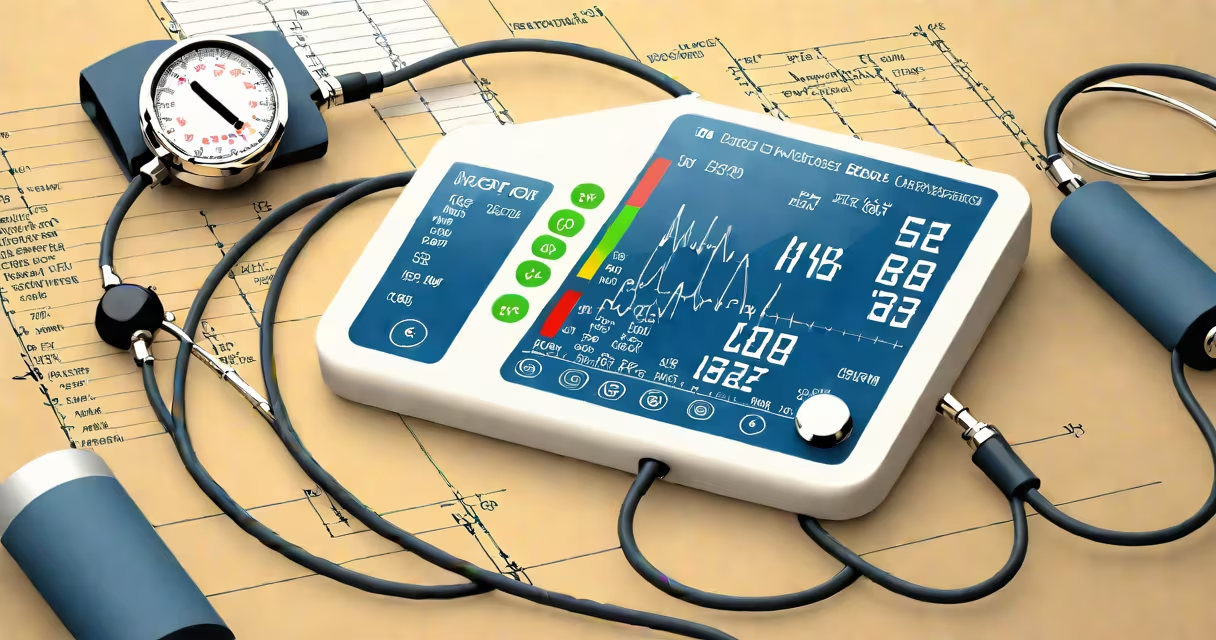
Normal high blood pressure range refers to readings between 120/80 mm Hg and 139/89 mm Hg, according to the American Heart Association. This stage is known as elevated or stage 1 hypertension and indicates increased risk for cardiovascular events.
Blood pressure measures force against artery walls during heartbeats (systolic) and between beats (diastolic). A reading of 130/80 mm Hg or higher qualifies as hypertension under current guidelines. The 120/80 benchmark is considered optimal; values above that but below 140/90 are classified as prehypertension or early hypertension.
Consistently elevated numbers correlate with damage to blood vessels, heart strain, and heightened stroke risk. The U.S. Centers for Disease Control and Prevention reports that nearly half of American adults have hypertension, many unaware due to lack of symptoms.
Healthcare providers measure blood pressure using a sphygmomanometer. The cuff inflates around the upper arm, temporarily stopping blood flow. As pressure releases, a stethoscope detects Korotkoff sounds-the first tapping (systolic) and muffled silence (diastolic).
Home monitors use oscillometric technology. They detect vibrations in arteries as blood resumes flow. These devices display both systolic and diastolic values digitally. Accuracy depends on proper positioning, cuff size, and rest before measurement.
A single elevated reading doesn't diagnose hypertension. The American Heart Association recommends multiple readings over time. A diagnosis requires consistent values above 130/80 mm Hg taken on separate occasions.
The following table outlines categories based on systolic and diastolic values:
| Category | Systolic (mm Hg) | Diastolic (mm Hg) |
|---|---|---|
| Normal | <120 | <80 |
| Elevated | 120-129 | <80 |
| Stage 1 Hypertension | 130-139 | 80-89 |
| Stage 2 Hypertension | ≥140 | ≥90 |
Values between 120/80 and 139/89 fall within the "normal high" zone. This range is not yet clinical hypertension but signals early warning. Lifestyle interventions such as sodium reduction, weight management, and physical activity can reverse progression.
Many people in this range don't experience symptoms. A 2021 study published in JAMA Internal Medicine found that 63% of individuals with stage 1 hypertension were unaware of their condition. Silent progression increases long-term organ damage risk.
Some assume that only high systolic values matter. Diastolic pressure reflects vascular resistance and is equally predictive of stroke and heart failure. A reading of 135/85 mm Hg places someone in the normal high range despite a seemingly stable diastolic number.
Another error is equating occasional spikes with chronic hypertension. Stress, caffeine, or exercise can temporarily raise blood pressure. A single elevated reading may not reflect true baseline status. Multiple measurements over days are required for accurate assessment.
People often confuse "normal high" with "ideal." While 120/80 is ideal, values up to 139/89 are not yet dangerous-but they are not safe either. The term "normal high" describes a transitional state where intervention prevents worsening.
In 2022, a 48-year-old office worker had a routine checkup. His reading was 136/88 mm Hg. He felt fine-no dizziness, no chest pain. His doctor categorized this as stage 1 hypertension and recommended lifestyle changes.
He reduced salt intake from 4,500 mg/day to 2,000 mg/day, walked 30 minutes daily, and cut back on alcohol. After six months, his blood pressure dropped to 124/78 mm Hg. No medication was needed.
This case illustrates that early intervention in the normal high range can reverse progression. The American Heart Association emphasizes that prevention begins before medication is required.
Anyone with two or more readings above 130/80 mm Hg should consult a healthcare provider. Even if asymptomatic, this range increases risk for coronary artery disease, kidney damage, and vision loss.
Individuals with diabetes, chronic kidney disease, or a history of heart attack require tighter control. The American Diabetes Association recommends targeting below 130/80 mm Hg for those with comorbid conditions.
For most adults, regular monitoring at home or in clinics is sufficient. Devices approved by the Association for the Advancement of Medical Instrumentation (AAMI) meet accuracy standards. Avoid wrist monitors-they're less reliable than upper-arm models.
I once measured my own blood pressure at a community health fair. My reading was 137/86 mm Hg. I assumed it was close enough to normal. But the nurse flagged it as stage 1 hypertension. I started tracking daily, adjusted my diet, and noticed improvements within four weeks. That moment changed my habits permanently.
Understanding the normal high blood pressure range helped me act before complications arose. It's not about panic-it's about awareness.