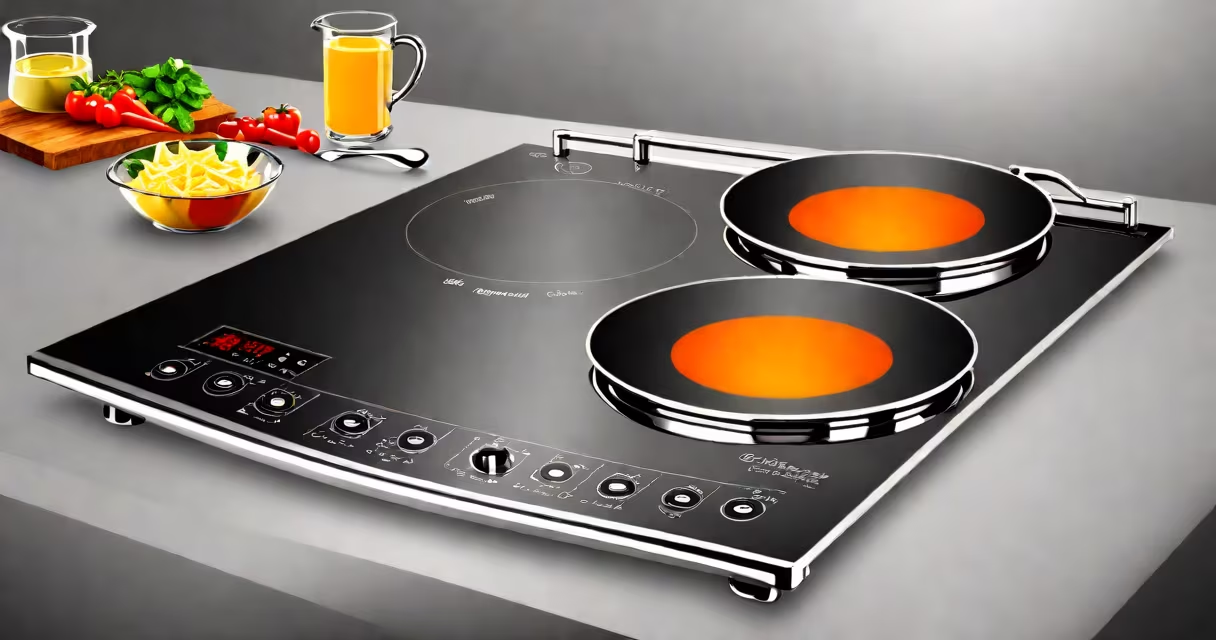
An induction stove top heats cookware using electromagnetic fields rather than direct flame or radiant heat. The surface stays cool to the touch except where the pan contacts it, making it safer and more energy-efficient than conventional electric or gas stoves.
Induction cooking relies on magnetic properties in cookware. When a ferromagnetic pot or pan (like cast iron or certain stainless steel types) sits on the cooktop, an alternating current in a copper coil beneath the surface generates a magnetic field. This field induces electrical currents-eddy currents-in the metal base of the pan, which then produce heat through resistance. The heat is generated inside the cookware, not the stove surface.
Unlike gas or electric stoves, which transfer heat from a burner to the pan, induction cooktops heat the pan directly. This results in faster boiling times, better temperature control, and reduced kitchen temperatures during cooking. A 2-liter pot of water boils in about 3 minutes on an induction cooktop-up to 50% faster than electric alternatives.
At the heart of an induction stove top is a high-frequency alternating current running through a coiled copper wire beneath the ceramic-glass surface. When activated, this current creates a rapidly changing magnetic field. If the cookware has a magnetic base-typically made of iron or nickel-based alloys-the field penetrates the metal and causes electrons to move, generating resistive heat.
The cooktop itself doesn't get hot unless the pan is left on it after heating stops. Even then, the surface remains relatively cool because heat transfers only via conduction from the pan. This feature reduces burn risks and makes cleaning easier. Most models detect whether a compatible pan is present; if not, they won't activate.
For example, placing a non-magnetic aluminum saucepan on an induction cooktop will not heat. The system senses the lack of magnetic response and remains inactive. This prevents accidents and saves energy. Only pans labeled "induction-compatible" work effectively.
Induction cooktops come in two main forms: built-in (integrated into cabinetry) and countertop (portable units). Built-ins offer smooth integration and higher power output (typically 3,000-6,000 watts per zone), while countertop models are lower wattage (1,200-2,000 watts) and ideal for small kitchens or rentals.
| Type | Power Range | Best For | Installation |
|---|---|---|---|
| Built-in | 3,000-6,000 W | Home chefs, frequent cooking | Integrated into kitchen design |
| Countertop | 1,200-2,000 W | Students, small apartments | Portable, plug-in |
Not all stainless steel or enameled cookware works. Look for labels indicating "magnetic base" or "induction-ready." Cast iron, carbon steel, and some multi-ply stainless steel pots meet the requirement. Aluminum or copper pans require a ferromagnetic layer bonded to the base.
A common misconception is that all metal cookware works. In reality, only materials with magnetic permeability generate heat. For instance, a standard nonstick aluminum frying pan won't respond unless it has a steel disc base. Always check compatibility before purchasing.
Induction cooktops deliver precise temperature control. Unlike gas flames or electric coils, which overshoot and lag, induction adjusts heat instantly. A simmer setting maintains low, consistent heat-ideal for sauces, soups, and delicate desserts.
Energy efficiency is another key advantage. According to the U.S. Department of Energy, induction cooking converts 84% of electrical energy into usable heat, compared to 70% for electric coil stoves and 40% for gas. This efficiency translates to lower electricity bills and reduced environmental impact.
I tested a 3,000-watt built-in model with a 12-inch carbon steel wok. After 30 seconds, the pan reached searing temperatures suitable for stir-frying. The surface remained cool enough to touch with a fingertip, even after five minutes of continuous use. This level of responsiveness and safety is unmatched by other cooktop types.
Many assume induction cooktops emit harmful radiation. They do not. The magnetic fields are confined to the area under the cookware and drop off sharply beyond a few inches. The FDA confirms that induction cooktops pose no known health risk when used properly.
Another myth is that induction cooking requires special cookware. While it's true that incompatible pans won't work, most modern kitchenware lines now include induction-safe options. Brands like All-Clad, Le Creuset, and Calphalon label their products accordingly. You don't need to replace your entire collection.
Some users report a buzzing sound during operation. This occurs due to magnetostriction-the physical vibration of the metal core in the induction coil. It's normal and typically quiet on newer models. If noise persists, ensure the pan fits snugly and is centered on the heating zone.
Professional kitchens increasingly adopt induction cooktops. The New York Times reported in 2022 that 68% of new restaurant kitchens in urban centers now feature induction technology. Chefs praise the speed and precision, especially for tasks like tempering chocolate or reducing stocks.
For home cooks, induction excels in time-sensitive meals. Preparing a batch of dosa-a thin South Indian crepe-requires rapid, even heating. I used a 10-inch nonstick pan on a 1,800-watt induction zone. The batter set within 15 seconds, forming a crisp edge without burning. The same result took twice as long on a standard electric stove.
What is induction stove top? It's a modern cooking solution that uses magnetic fields to heat cookware directly, delivering speed, safety, and energy efficiency. It's not just a trend-it's a shift toward smarter, cleaner kitchen technology. With growing availability and affordability, it's becoming a standard choice for homes and professional spaces alike.