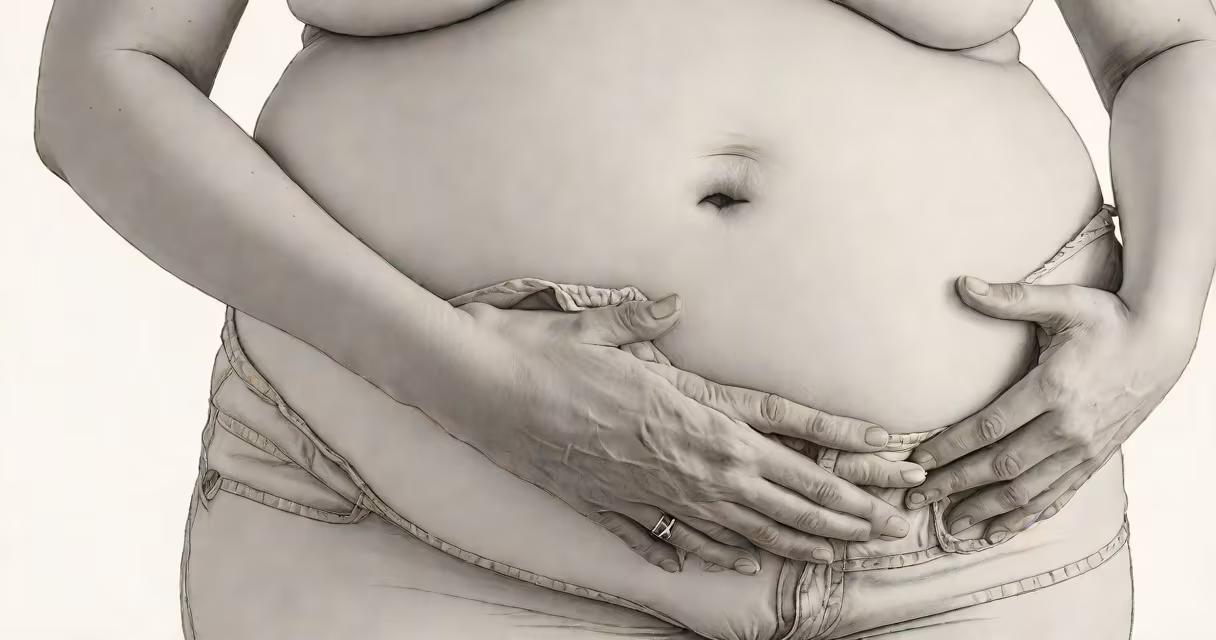
Bloating is a sensation of fullness or swelling in the abdomen, often caused by excess gas, fluid retention, or digestive delay. It's not a disease but a symptom indicating changes in gut function, diet, or underlying health conditions.
When air or gas accumulates in the intestines, pressure builds, stretching the abdominal wall. This triggers the feeling of tightness, visible swelling, or discomfort. The sensation may come and go, especially after eating, and sometimes occurs without visible enlargement.
Common triggers include swallowing air while eating quickly, consuming high-FODMAP foods like beans or onions, lactose intolerance, or irritable bowel syndrome (IBS). However, persistent bloating can signal more serious conditions such as celiac disease, small intestinal bacterial overgrowth (SIBO), or even ovarian cancer.
The digestive system moves food through the stomach and intestines via muscular contractions called peristalsis. When this process slows, food sits longer in the gut, allowing bacteria to ferment undigested carbohydrates. Fermentation produces gas-primarily hydrogen, methane, and carbon dioxide-which expands the intestine and causes bloating.
For example, a person who eats a large meal rich in lentils and garlic may feel bloated within 30 minutes. The oligosaccharides in these foods resist digestion in the small intestine and reach the colon, where bacteria break them down into gas. This explains why bloating often peaks 2-4 hours after eating.
Fluid retention can also contribute. Hormonal fluctuations during the menstrual cycle increase sodium levels, leading to water accumulation in tissues. A study published in Neurogastroenterology & Motility found that 60% of women report increased bloating in the week before menstruation due to progesterone-induced slowing of gut motility.
Bloating varies in cause and presentation. Understanding the type helps identify whether it stems from diet, hormones, or illness.
| Type | Trigger | Common Symptoms | Typical Duration |
|---|---|---|---|
| Diet-related | High-FODMAP foods, carbonated drinks, chewing gum | Gas, burping, cramping after meals | 1-4 hours |
| Hormonal | Menstrual cycle, pregnancy, menopause | Swelling, weight gain, breast tenderness | Days to weeks |
| Medical | IBS, SIBO, celiac disease, pancreatic insufficiency | Chronic bloating, diarrhea, fatigue, weight loss | Weeks to months |
Diet-related bloating is the most common. Foods high in fermentable fibers-such as apples, broccoli, and wheat-feed gut bacteria, increasing gas volume. Carbonated beverages introduce air directly into the stomach. Chewing gum stimulates saliva production and leads to swallowing excess air, known as aerophagia.
Medical causes require evaluation. For instance, SIBO involves abnormal bacterial growth in the small intestine. These microbes consume nutrients before absorption, produce gas, and damage the intestinal lining. A breath test measuring hydrogen and methane levels confirms SIBO. According to the American Gastroenterological Association, SIBO affects up to 10% of adults and is linked to chronic bloating in 70% of diagnosed cases.
Not all bloating requires medical attention. But certain patterns suggest a deeper issue. Persistent bloating lasting more than two weeks, especially with unexplained weight loss, blood in stool, or changes in bowel habits, warrants investigation.
Ovarian cancer is a rare but critical consideration. Early stages often lack symptoms, but bloating is reported in 60% of cases, according to the National Cancer Institute. It typically presents as constant, progressive swelling that doesn't resolve after passing gas or bowel movements. The American Cancer Society notes that bloating lasting more than a few days, accompanied by pelvic pain or difficulty eating, should prompt a gynecologic consultation.
A non-obvious distinction: bloating from constipation differs from gas-related bloating. Constipation causes hard stools and straining, leading to pressure in the lower abdomen. Gas bloating tends to affect the upper and middle regions. If bloating improves after a bowel movement, it's likely related to stool buildup. If it persists despite defecation, consider gas or inflammation.
Consider a 34-year-old woman reporting daily bloating for six months. She experiences fullness after lunch, frequent belching, and occasional diarrhea. Her doctor orders a hydrogen breath test. Results show elevated hydrogen levels after ingesting lactulose, confirming SIBO. Treatment with rifaximin (an antibiotic) reduced her symptoms by 80% within four weeks.
This case illustrates that bloating isn't always dietary. Even if she avoided dairy and beans, the condition persisted because the root cause was bacterial overgrowth, not food intolerance. Without testing, misdiagnosis as IBS or food allergy would have delayed proper treatment.
Another example: a 52-year-old man with bloating, unintentional weight loss, and fatigue. He had normal blood work but underwent a CT scan that revealed a mass near the transverse colon. Biopsy confirmed adenocarcinoma. His bloating was a late-stage symptom, underscoring that persistent abdominal swelling should never be ignored.
Many assume bloating is purely psychological or a result of poor diet. While diet plays a role, it's not the sole factor. Some people report bloating after eating healthy meals-like salads with quinoa and avocado-because they're sensitive to FODMAPs, even in "clean" foods.
Another myth: bloating always means overeating. Not true. A person can eat a small meal and still feel bloated due to impaired digestion. Conditions like gastroparesis-where the stomach empties slowly-can cause early satiety and bloating even with minimal intake.
Also, bloating isn't synonymous with weight gain. Visible swelling from gas or fluid doesn't equate to fat accumulation. A person may look larger but lose inches after passing gas or reducing salt intake.
If bloating is occasional and resolves after passing gas or a bowel movement, tracking food intake may help identify triggers. Keep a log of meals, timing, and symptoms for two weeks. Look for patterns involving specific ingredients.
Bloating is a sign of internal processes-not just a physical sensation. Recognizing its origin prevents unnecessary worry and guides accurate care.