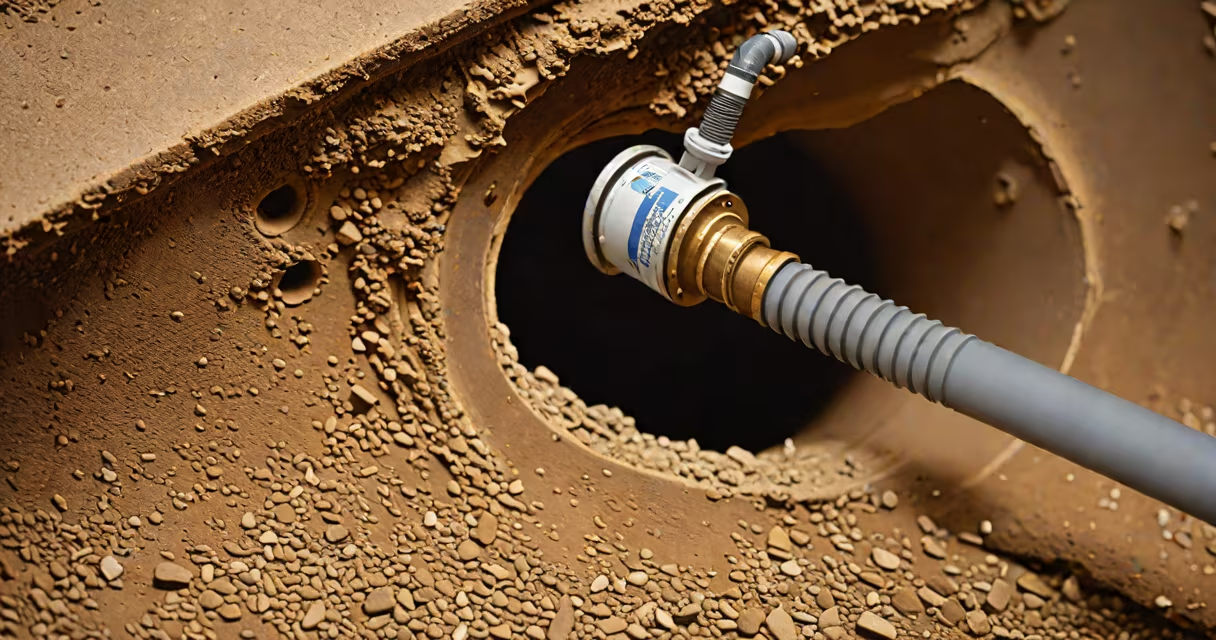
A sewer lateral inspection is a diagnostic procedure using a flexible video camera to examine the interior of a home's private sewer line-from the property boundary to the main sewer line. The inspection identifies blockages, cracks, misaligned joints, root intrusions, and structural deterioration without excavation.
Conducted by licensed plumbing or sewer specialists, the process involves inserting a small camera-equipped probe through a cleanout access point. Real-time footage is displayed on a monitor, allowing immediate identification of issues. The results are documented in a report with timestamps, images, and a severity rating for each defect.
According to the American Society of Plumbing Engineers (ASPE), sewer lateral inspections reduce emergency repair costs by up to 40% when performed proactively. The Environmental Protection Agency (EPA) also emphasizes their role in preventing untreated wastewater discharge into stormwater systems during heavy rainfall events.
The inspection begins at the house's internal cleanout, typically located near the basement floor or utility room. A technician inserts a waterproof camera head on a flexible cable, which transmits live video to a handheld device or tablet. The probe moves slowly through the pipe, guided by the inspector's hand and real-time feedback.
As the camera travels, it captures high-resolution video of the pipe's interior. Modern systems use LED lighting and GPS-like positioning to map the pipe's path and record the location of defects. Most inspections take between 30 and 60 minutes, depending on pipe length and complexity.
After completion, the technician generates a detailed report. This includes annotated video clips, a pipe layout diagram, and a classification of defects using the Uniform Plumbing Code (UPC) standards. Defects are rated on a scale from 1 (minor) to 5 (critical failure).
Common problems identified during a sewer lateral inspection include:
One non-obvious finding from fieldwork: even minor pipe misalignment can cause significant flow disruption. During a 2021 inspection in Portland, Oregon, a 1/8-inch offset at a joint caused a 35% reduction in flow velocity-enough to trigger backup during peak usage hours.
Sewer lateral inspections are required in many municipalities before selling a home, especially in older neighborhoods with aging infrastructure. Cities like Los Angeles, Chicago, and Seattle mandate inspections prior to transferring ownership to prevent future liability.
They're also standard practice when a homeowner experiences recurring drain backups, slow flushing toilets, or foul odors near drains. In such cases, the inspection confirms whether the issue lies within the public sewer system or the private lateral line.
For example, a homeowner in Minneapolis reported a backed-up kitchen sink and toilet flushes. After a sewer lateral inspection revealed a 90-degree bend filled with hardened grease and roots, the plumber recommended a hydro-jetting treatment followed by a pipe lining repair. Without the inspection, the root cause would have remained undetected, leading to further damage and higher repair costs.
Many people confuse a sewer lateral inspection with a general plumbing checkup. While both involve pipes, a lateral inspection focuses exclusively on the private sewer line running from the house to the public sewer main. A typical plumbing inspection may cover water heaters, faucets, and drains-but not the underground lateral.
Another misconception is that inspections require digging. They do not. The camera enters through existing access points-usually a cleanout cap or a service entry point. Only if repairs are needed later does excavation become necessary.
Some homeowners assume that a clear video means the line is healthy. That's incorrect. A clean-looking interior doesn't rule out internal corrosion, joint separation, or gradual degradation. For instance, a 2020 audit by the Water Environment Federation found that 22% of lines deemed "clear" in video still had measurable structural weakness when assessed via pressure testing.
| Inspection Type | Scope | Typical Use Case |
|---|---|---|
| Sewer lateral inspection | Private line from house to public sewer main | Pre-sale, backup issues, municipal compliance |
| Drain line inspection | Internal household drains (kitchen, bathroom) | Slow drains, gurgling sounds, odor |
| Public sewer main inspection | City-owned infrastructure beyond property line | Municipal maintenance, overflow investigations |
I once observed a failed inspection in a 1950s bungalow in Denver. The homeowner believed their system was fine because the drains flowed normally. The camera revealed a collapsed section of clay pipe beneath the driveway-undetectable without imaging. The repair cost $8,200, but avoiding a sewage flood saved the family over $25,000 in cleanup and health-related expenses.
If the inspection reveals damage, the next step depends on the severity. Minor issues like root growth or minor grease buildup may be resolved with hydro-jetting or chemical cleaning. More serious defects-such as cracked or offset joints-require trenchless repair methods like pipe lining or pipe bursting.
For homes in regulated areas, inspectors provide a compliance certificate. This document is often required by local codes before a permit can be issued for repairs or renovations. In some states, failure to pass inspection can delay property transfer for up to 90 days.
Homeowners should schedule a sewer lateral inspection every 5 to 7 years, or sooner if signs of trouble appear. Regular checks catch problems early, avoid costly emergencies, and maintain compliance with local regulations.