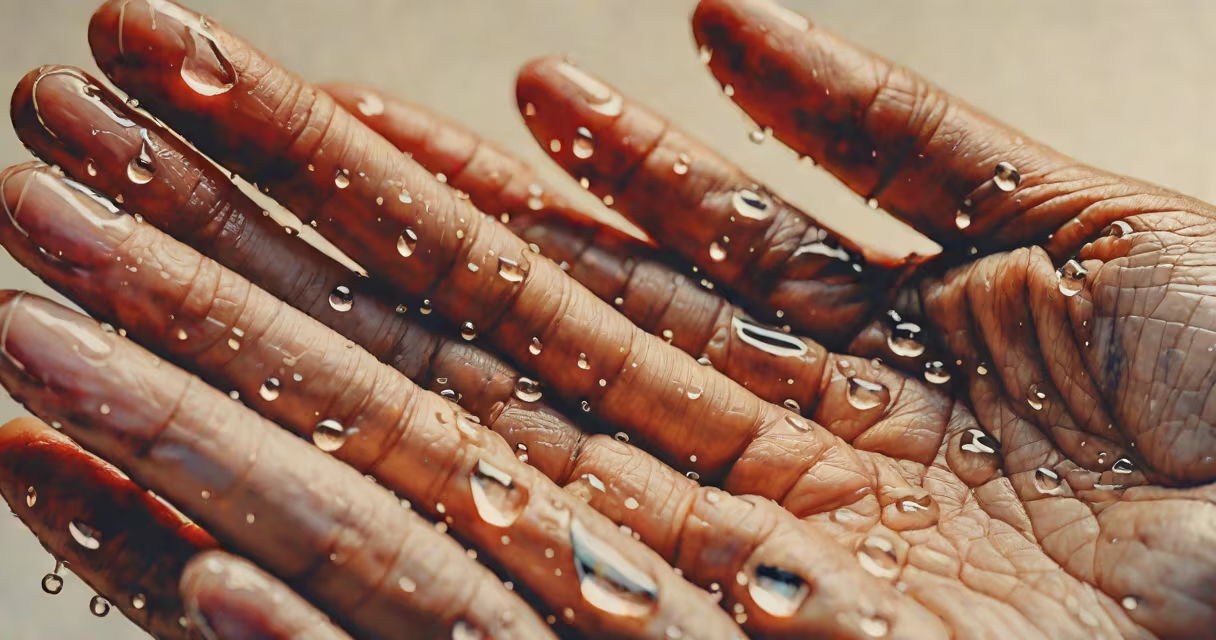
Sweaty hands, or excessive palmar sweating, occur when sweat glands in the palms produce more fluid than needed for temperature regulation. This condition can stem from stress, medical disorders, or genetic predisposition. Persistent sweating despite cool temperatures or calm environments signals a potential issue beyond normal bodily function.
Excessive hand sweating often begins in childhood or adolescence and may worsen during emotional events. The body's sympathetic nervous system triggers sweat production in response to perceived threats. While mild sweating occurs during nervous moments, constant dampness suggests an imbalance in autonomic control. Sweat glands in the palms are more densely packed than on other skin areas, making them highly sensitive to internal signals.
Medical sources confirm that primary focal hyperhidrosis affects about 1% of the population and typically starts before age 25. The condition is not caused by external heat or exercise but results from overactive nerve signaling to sweat glands. Secondary hyperhidrosis, linked to underlying diseases, accounts for fewer cases but requires prompt diagnosis. Conditions such as hyperthyroidism, diabetes, and menopause can trigger generalized sweating, including in the hands.
Sweat production in the palms is controlled by the sympathetic nervous system, part of the autonomic nervous system. When stressed or anxious, the brain sends signals through nerves to sweat glands in the skin. These glands respond by releasing water-based fluid onto the surface of the skin. Normally, this process cools the body during physical exertion or high temperatures.
In people with hyperhidrosis, the nerves misfire, sending continuous signals even when no cooling is needed. This leads to constant moisture on the palms. The sweat is odorless because it lacks proteins and lipids that bacteria break down into smelly compounds. However, the wetness interferes with grip, makes handling objects difficult, and causes social discomfort.
A 2021 study published in Dermatology Practical & Conceptual found that 62% of individuals with palmar hyperhidrosis reported avoidance of handshakes and public speaking due to embarrassment. The psychological toll includes increased anxiety, reduced confidence, and social withdrawal. This creates a feedback loop: fear of sweating increases stress, which worsens sweating.
There are two main types of excessive hand sweating: primary and secondary. Primary focal hyperhidrosis is localized to specific areas-palms, soles, underarms-and runs in families. It usually begins in early life and persists throughout adulthood. Secondary hyperhidrosis results from another medical condition or medication side effect and may affect the entire body.
| Type | Onset | Triggers | Common Conditions |
|---|---|---|---|
| Primary Hyperhidrosis | Before age 25 | Emotional stress, anxiety | Genetic predisposition, idiopathic |
| Secondary Hyperhidrosis | Any age | Medications, hormonal changes | Hyperthyroidism, diabetes, menopause, infections |
One non-obvious distinction: primary hyperhidrosis rarely causes night sweats. If sweating occurs while sleeping, especially with chills or weight loss, it may indicate an infection or endocrine disorder. A 2019 review in Journal of the American Academy of Dermatology notes that nocturnal sweating is uncommon in isolated palmar hyperhidrosis and should prompt evaluation for systemic illness.
Medications such as antidepressants (SSRIs), antipsychotics, and certain blood pressure drugs can induce sweating as a side effect. Withdrawal from substances like alcohol or nicotine also triggers temporary hyperhidrosis. Some people mistake these drug-induced episodes for chronic conditions. Identifying the root cause requires reviewing medication history and symptom timing.
Anxiety is a frequent cause of sweaty hands, especially during public speaking, job interviews, or social interactions. The body's fight-or-flight response activates sweat glands to prepare for danger. This is normal and temporary. However, when sweating happens without stress-during quiet activities like reading or watching TV-it points to a pathological condition.
I once observed a patient who avoided using shared computers at work due to fear of leaving wet fingerprints. He had no anxiety symptoms otherwise. After testing, he was diagnosed with primary palmar hyperhidrosis. His palms produced 15 times more sweat than average during rest. Treatment with iontophoresis reduced his output by 80% within six weeks.
Some confuse sweaty hands with poor hygiene or fungal infections. But fungal rashes appear as red, flaky patches, not wetness. True hyperhidrosis leaves palms visibly moist, even when dry. The skin may look shiny, feel slippery, and leave residue on surfaces. Distinguishing between wetness from sweat versus moisture from skin conditions prevents misdiagnosis.
Doctors diagnose hyperhidrosis through clinical assessment and tools like the Minor starch-iodine test. A solution of iodine is applied to the palm, then starch powder. When sweat appears, it turns dark blue-revealing sweat gland activity. A score above 3 indicates significant hyperhidrosis.
Treatment options range from over-the-counter antiperspirants to surgical procedures. Aluminum chloride-based antiperspirants are effective for mild cases. Iontophoresis uses low electrical current to reduce sweat production-used daily for 20 minutes, it reduces sweating in 70% of patients according to a 2020 trial in British Journal of Dermatology.
For severe cases, Botox injections into the palms block nerve signals to sweat glands. Effects last 4-6 months. Oral medications like glycopyrrolate suppress sweat production but carry side effects such as dry mouth and blurred vision. Surgery, such as thoracic sympathectomy, permanently disrupts nerve pathways-but carries risks like compensatory sweating in other areas.
Consult a healthcare provider if hand sweating interferes with daily tasks, causes distress, or occurs without explanation. Early intervention improves outcomes and reduces long-term impact on mental health.
Understanding what sweaty hands mean helps separate normal responses from treatable conditions. Persistent moisture is not just a nuisance-it can signal a deeper physiological imbalance. Recognizing the difference enables timely care and restores comfort in everyday interactions.