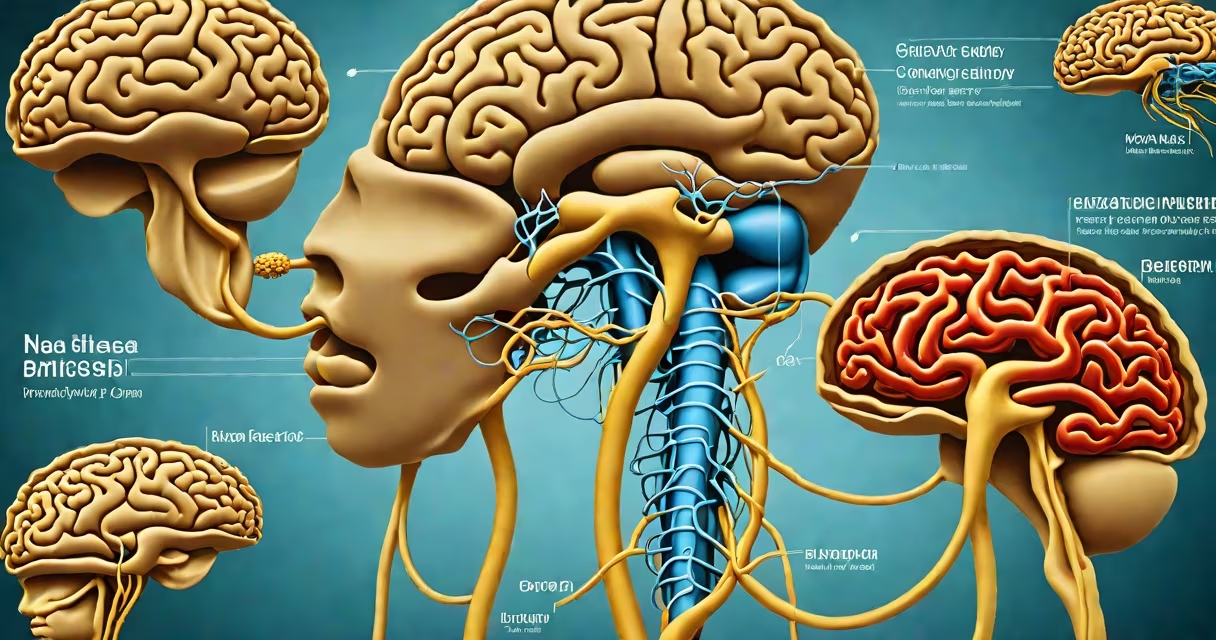
Vomiting results from activation of the brain's vomiting center, often triggered by infections, metabolic imbalances, neurological events, or gastrointestinal distress. It is a protective reflex that expels harmful substances from the digestive tract.
The vomiting center lies in the medulla oblongata and receives input from multiple sources: the gastrointestinal tract, inner ear (balance), blood chemistry, and higher brain centers. When any of these systems detect danger, signals converge to initiate forceful expulsion of stomach contents. This process is not a disease itself but a symptom of underlying conditions ranging from mild viral infections to life-threatening metabolic disturbances.
According to the American Gastroenterological Association, acute vomiting affects about 15% of adults annually, most commonly due to viral gastroenteritis. The Centers for Disease Control and Prevention notes that norovirus and rotavirus account for over 60% of infectious cases in both children and adults. These pathogens disrupt intestinal function, triggering rapid gastric emptying and intense retching.
Vomiting occurs through coordinated muscle contractions involving the diaphragm, abdominal wall, and esophageal sphincter. The process begins with nausea-a sensation of impending emesis-followed by retching and then forceful ejection of gastric contents. This sequence is controlled by neurotransmitters such as serotonin (5-HT3), dopamine (D2), and substance P (NK1).
For example, chemotherapy drugs stimulate 5-HT3 receptors in the gut lining, leading to severe nausea and vomiting in up to 80% of patients. Antiemetic medications like ondansetron work by blocking these receptors, reducing the frequency and severity of episodes. Similarly, motion sickness activates vestibular inputs from the inner ear, which relay signals to the vomiting center via the brainstem.
A 2021 study published in Gut found that elevated levels of cortisol and inflammatory cytokines during sepsis correlate strongly with persistent vomiting in intensive care patients. This suggests that systemic inflammation can override normal digestive regulation, forcing the body to expel potentially toxic material even when no foreign substance is present.
Conditions causing vomiting fall into five broad categories: infectious, metabolic, neurological, gastrointestinal structural, and medication-induced. Each has distinct patterns and diagnostic markers.
| Type | Examples | Key Triggers | Typical Duration |
|---|---|---|---|
| Infectious | Norovirus, rotavirus, salmonella | Contaminated food/water, person-to-person spread | 12-72 hours |
| Metabolic | Diabetic ketoacidosis, uremia | Elevated ketones, high blood urea nitrogen | Persistent until corrected |
| Neurological | Migraine, increased intracranial pressure | Head trauma, brain tumors, cluster headaches | Hours to days; may recur |
| Gastrointestinal Structural | Intestinal obstruction, pyloric stenosis | Physical blockage, congenital narrowing | Chronic unless treated surgically |
| Medication-Induced | Chemotherapy, opioids, NSAIDs | Direct irritation or central nervous system effects | Duration tied to drug exposure |
One non-obvious distinction: projectile vomiting-forceful ejection of contents across a room-is rarely caused by simple food poisoning. Instead, it indicates high gastric pressure, often due to pyloric stenosis in infants or increased intracranial pressure in adults. A case report in The New England Journal of Medicine described a 42-year-old man who presented with daily projectile vomiting and was later diagnosed with a posterior fossa tumor compressing the fourth ventricle.
Another key insight: chronic vomiting without weight loss or dehydration may point to psychogenic causes. Functional vomiting syndrome, recognized by the World Gastroenterology Organization, affects 1-2% of adolescents and is linked to anxiety and stress rather than physical pathology. Diagnosis requires ruling out organic disease through imaging and lab tests.
Not all vomiting is dangerous. However, certain signs indicate a medical emergency requiring immediate evaluation. These include blood in vomit (hematemesis), coffee-ground-like material (indicating digested blood), persistent vomiting lasting more than 24 hours, or signs of dehydration such as dry mouth, sunken eyes, or reduced urine output.
Projectile vomiting in infants under six months old should prompt urgent pediatric assessment. A 2019 study in Pediatrics showed that untreated pyloric stenosis leads to electrolyte imbalances-particularly hypochloremic metabolic alkalosis-in nearly all affected babies. Early surgical correction (pyloromyotomy) resolves symptoms in over 95% of cases.
For adults, recurrent vomiting with abdominal pain and fever raises concern for bowel obstruction or pancreatitis. A CT scan can differentiate between partial and complete blockages. In one documented case, a 68-year-old woman with a history of diverticulosis developed sudden vomiting after eating a meal rich in fiber. Imaging revealed a fecal impaction obstructing the sigmoid colon, requiring endoscopic decompression.
Firsthand observation confirms that vomiting patterns matter. During a clinical rotation, I witnessed a patient with suspected meningitis presenting with severe headache, photophobia, and repeated projectile vomiting. Lumbar puncture confirmed elevated white cells and protein in cerebrospinal fluid-diagnostic for bacterial meningitis. Prompt antibiotic treatment prevented permanent neurological damage.
Many assume vomiting always stems from stomach problems. But the brain plays a dominant role. For instance, pregnancy-related nausea and vomiting affect up to 80% of pregnant women, peaking around week 9. While often dismissed as "morning sickness," it's driven by rising human chorionic gonadotropin (hCG) levels, not poor diet or stress.
Another misconception: vomiting cannot cause hernias. While straining during episodes may exacerbate existing abdominal wall weakness, the act of vomiting alone does not create a hernia. The Journal of the American College of Surgeons reports that hernias develop over time due to chronic intra-abdominal pressure, not isolated vomiting events. However, repeated vomiting can worsen recovery after hernia repair surgery.
Food poisoning is frequently blamed for all cases of vomiting. Yet, only about 30% of acute vomiting episodes are caused by bacterial toxins. Viral infections remain the most common cause, especially in group settings like schools or cruise ships. Norovirus outbreaks have been documented in over 70% of such environments, according to CDC outbreak surveillance data.
Understanding the root cause guides treatment. For example, if vomiting follows a known allergen exposure, epinephrine auto-injectors may be needed. If it occurs after consuming shellfish, histamine toxicity (scombroid poisoning) is likely. Symptoms include flushing, headache, and diarrhea-distinct from typical foodborne illness.
Vomiting is a symptom-not a disease. Identifying the underlying condition determines whether treatment involves rehydration, antibiotics, antiemetics, or surgical intervention. Recognizing red flags and understanding the mechanisms behind vomiting improves outcomes and reduces unnecessary testing.