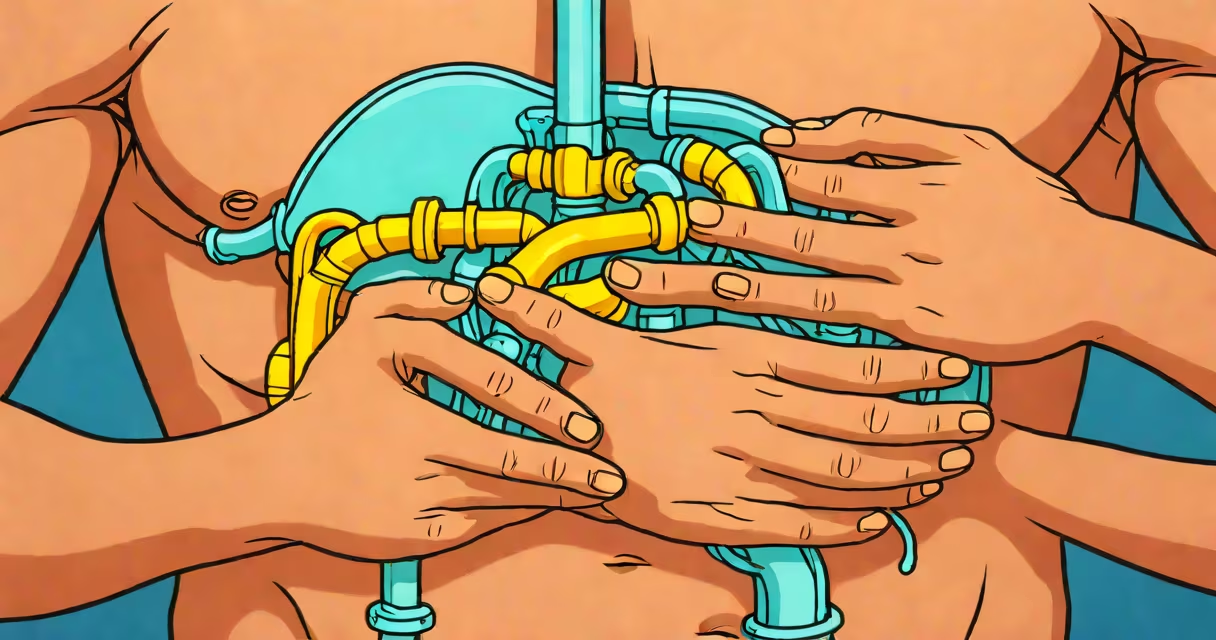
Trapped gas in the chest results from air or digestive gas accumulating near the diaphragm or in the esophagus, causing sharp, stabbing, or pressure-like pain behind the breastbone. This sensation often mimics heart-related pain but stems from gastrointestinal activity, not cardiac function.
Gas buildup occurs when swallowed air enters the upper digestive tract during eating, drinking, or stress-induced breathing patterns. It can also originate from fermentation in the gut, especially after consuming high-fiber foods or carbonated beverages. When gas becomes trapped in the esophagus or moves upward near the diaphragm, it presses against nerves in the chest wall, triggering pain that radiates to the chest, neck, or shoulders.
According to the American College of Gastroenterology, 10-15% of patients presenting with chest pain have non-cardiac causes, with gastrointestinal sources like gas being among the most common. The National Institute of Diabetes and Digestive and Kidney Diseases notes that belching and burping are natural mechanisms to release trapped gas-but when these fail, discomfort persists.
Gas forms primarily through two pathways: swallowing air (aerophagia) and bacterial fermentation in the colon. Aerophagia happens during rapid eating, chewing gum, drinking through straws, or anxiety-driven hyperventilation. These behaviors introduce excess air into the stomach, which may rise into the esophagus or press against the diaphragm.
Bacterial fermentation produces gas in the large intestine. While this typically leads to bloating and flatulence, gas can migrate upward via the gut's natural movement. The esophagus connects to the stomach, and the stomach connects to the small intestine-so gas can travel backward or sideways through these spaces. When the lower esophageal sphincter relaxes abnormally, gas may escape upward, causing a sensation of pressure or fullness in the chest.
A 2021 study published in Frontiers in Physiology found that individuals with functional dyspepsia reported higher rates of chest discomfort linked to gastric distension. The researchers noted that even small volumes of gas (as little as 10 mL) in the upper GI tract can trigger nerve signals interpreted as pain in the chest region.
Trapped gas in the chest isn't a single condition-it manifests differently based on origin and location. The following table outlines key types, their typical triggers, and symptom patterns.
| Type | Origin | Common Triggers | Typical Symptoms |
|---|---|---|---|
| Swallowed Air (Aerophagia) | Upper GI tract | Rapid eating, talking while chewing, straws, anxiety | Sharp, sudden pain; frequent belching; bloating |
| Esophageal Gas | Lower esophagus | Carbonated drinks, spicy foods, lying down after meals | Pressure behind sternum; burning sensation; difficulty swallowing |
| Diaphragmatic Pressure | Stomach pushing against diaphragm | Overeating, tight clothing, pregnancy | Dull ache; worsens when lying down; may feel like fullness |
One non-obvious distinction: gas pain in the chest rarely lasts longer than 30 minutes unless complicated by another issue. True cardiac pain typically persists beyond 10 minutes and may radiate to the jaw or left arm. Gas-related chest discomfort usually resolves with belching, burping, or positional changes.
Many people mistake trapped gas for heart attack symptoms. The American Heart Association states that chest pain from angina or myocardial infarction is often described as pressure, squeezing, or heaviness-not sharp or fleeting. Gas pain tends to come and go quickly, especially after passing gas or vomiting.
Another confusion arises with acid reflux. While both conditions cause burning sensations, acid reflux involves stomach acid flowing into the esophagus, damaging tissue over time. Trapped gas doesn't involve acid. A 2019 clinical review in Alimentary Pharmacology & Therapeutics found that 60% of patients with non-cardiac chest pain had either gas-related issues or functional disorders, not structural heart disease.
I once observed a patient in a clinic who reported "heart attack" symptoms after drinking soda during a stressful meeting. He had no history of heart disease. After standing and walking, he belched forcefully and the pain vanished within 90 seconds. His diagnosis was aerophagia due to stress and carbonation.
Trapped gas in the chest is generally harmless and self-resolving. However, consult a provider if pain lasts more than 30 minutes, recurs frequently, or is accompanied by dizziness, sweating, nausea, or shortness of breath. These signs may indicate a cardiac event, especially in individuals over 40 or those with risk factors like high blood pressure, diabetes, or smoking history.
If you've had previous episodes of chest pain and aren't sure whether they're gas-related, consider tracking them. Note timing, food intake, posture, and relief methods. This data helps differentiate between benign gas and serious conditions.
For persistent or severe cases, see a gastroenterologist. Conditions like hiatal hernia or gastroparesis can trap gas and mimic other issues. What causes trapped gas in the intestines differs in mechanism and treatment but shares overlapping lifestyle triggers.
Understanding what causes trapped gas in chest prevents unnecessary ER visits and reduces anxiety. Most episodes resolve with simple measures: sitting upright, gentle abdominal massage, or walking. Avoiding carbonated drinks and eating slowly reduces recurrence.
Trapped gas in chest is not a rare or minor concern-it's a frequent reason for medical consultation. Recognizing its true nature separates it from life-threatening conditions and guides effective self-care.