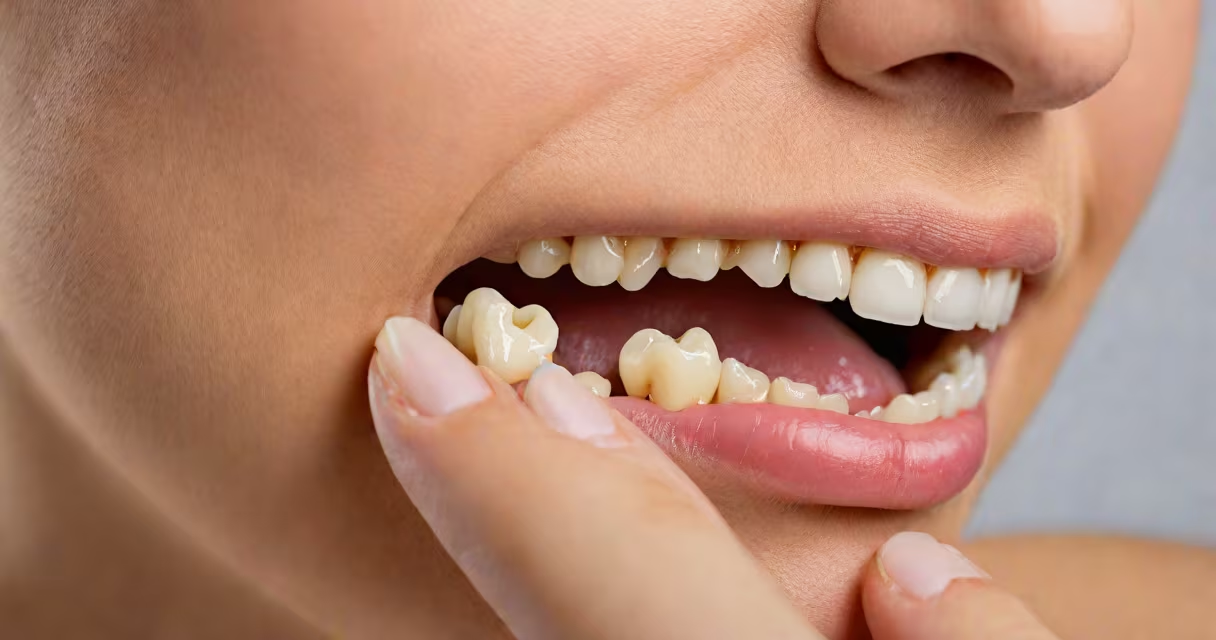
Wisdom teeth pain arises when third molars grow in improperly, leading to infection, nerve damage, or structural shifts in the jaw. This condition affects about 85% of adults, often during late teens to early twenties.
Impacted wisdom teeth-those blocked by bone or soft tissue-fail to erupt fully. Pressure from the tooth against adjacent teeth or nerves triggers sharp, persistent pain. The American Dental Association notes that incomplete eruption creates pockets where bacteria accumulate, increasing infection risk.
Pain may radiate to the ear, temple, or neck, mimicking sinus or ear infections. Without treatment, swelling, fever, and difficulty opening the mouth can develop. Early intervention prevents long-term damage.
When wisdom teeth lack space to emerge, they push against neighboring teeth. This pressure can distort alignment, especially the second molar. A 2021 study in the Journal of Oral and Maxillofacial Surgery found that 62% of patients with impacted third molars experienced significant shifting in adjacent teeth within five years.
Bacteria collect in the flap of gum tissue covering partially erupted teeth. This area becomes inflamed, leading to pericoronitis-a painful infection requiring antibiotics or surgical removal. Symptoms include foul taste, swollen lymph nodes, and limited jaw movement.
Nerve involvement is rare but serious. The inferior alveolar nerve runs near lower wisdom teeth. If compressed or damaged during extraction, numbness in the lip, chin, or tongue may persist. The National Institute of Dental and Craniofacial Research reports a 0.5% incidence of permanent nerve injury following lower wisdom tooth surgery.
Not all wisdom teeth problems are the same. The severity depends on impaction type and individual anatomy.
| Type | Description | Risk Level | Common Symptoms |
|---|---|---|---|
| Soft tissue impaction | Tooth partially covered by gum | High | Pain, swelling, bad breath |
| Bony impaction | Tooth trapped in jawbone | Very high | Chronic ache, jaw stiffness |
| Horizontal impaction | Tooth angled sideways into adjacent tooth | Extreme | Severe pain, tooth decay risk |
| Vertical impaction | Tooth grows upright but stuck | Medium | Mild discomfort, occasional swelling |
Horizontal impactions pose the highest risk. They frequently damage the second molar's root structure. A 2019 review in the International Journal of Dentistry found that 41% of horizontal impactions led to secondary tooth decay in adjacent molars.
Many assume wisdom teeth pain is always temporary or resolves on its own. That's false. Delayed treatment increases the chance of cyst formation or jawbone erosion. The Mayo Clinic warns that untreated impacted teeth can lead to benign tumors in rare cases.
Some confuse wisdom teeth pain with sinus headaches. Both can cause facial pressure and pain around the upper jaw. But sinus issues don't involve tooth sensitivity or gum swelling. A CT scan distinguishes between dental and sinus origins.
Another error: thinking pain means the tooth is "coming in." Not all wisdom teeth erupt. Some remain buried. Pain stems from pressure or infection, not movement. A panoramic X-ray confirms whether a tooth is impacted or fully erupted.
In 2020, a 22-year-old patient reported two weeks of worsening jaw pain and swollen gums. He ignored it until he couldn't chew solid food. An X-ray revealed a horizontally impacted lower left wisdom tooth pressing into the second molar's root.
By then, the second molar had developed a cavity. The dentist diagnosed pericoronitis and recommended surgical removal. After extraction, the patient's pain resolved in four days. He later learned that delaying care had increased surgical complexity and recovery time.
This case illustrates why early evaluation matters. Waiting until severe symptoms appear leads to more invasive procedures and longer healing.
Consult a dentist if pain lasts more than three days, occurs with fever, or limits eating. Swelling that spreads to the eye or neck requires immediate attention. These signs indicate spreading infection.
Even mild pain warrants imaging. A panoramic X-ray costs $100-$200 and identifies hidden issues. The American Association of Oral and Maxillofacial Surgeons recommends screening before age 25, when bone density is lower and healing faster.
I once watched a dentist extract a wisdom tooth with minimal bleeding using a piezoelectric surgical device. The tool vibrates at ultrasonic frequencies, separating bone without damaging nerves. Recovery took less than 24 hours. This precision reduces complications compared to traditional drills.
Conditions like temporomandibular joint disorder (TMD), trigeminal neuralgia, or even heart-related pain can mimic dental pain. TMD causes jaw clicking and muscle soreness, often mistaken for toothache. Trigeminal neuralgia delivers electric-shock-like pain along the face's nerve pathways.
What can wisdom teeth pain cause? Infections, nerve damage, tooth displacement, and jaw misalignment. Early detection through imaging prevents complications. Ignoring pain risks irreversible damage. Regular dental checkups catch issues before they escalate.