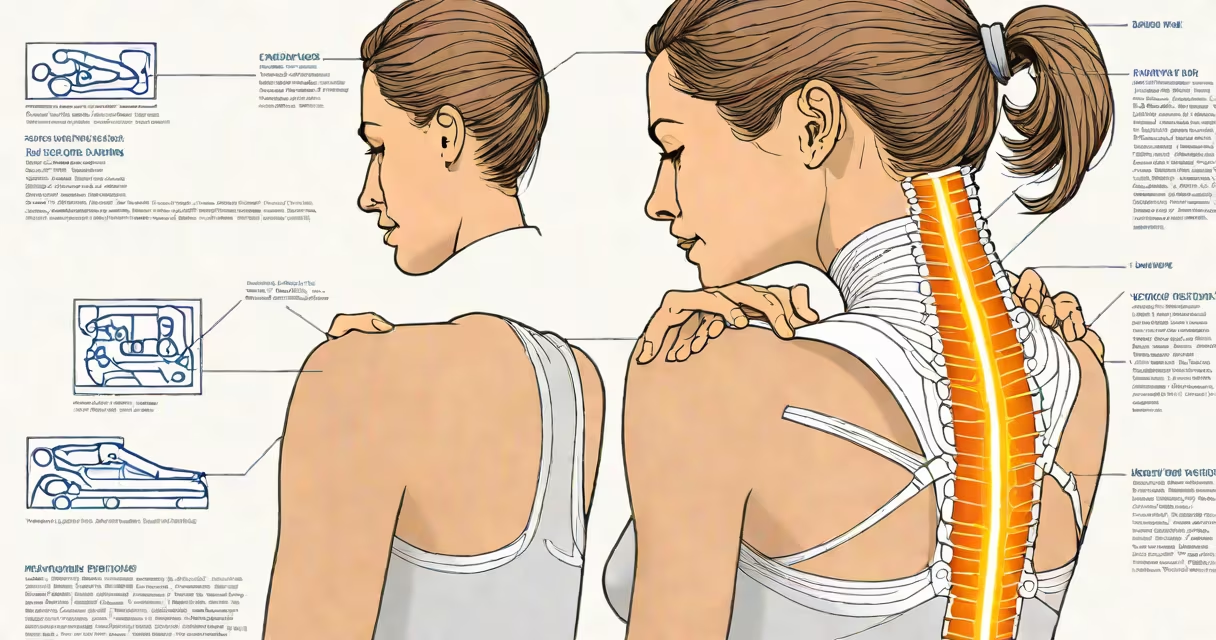
A stiff neck typically results from muscle strain, poor posture, or sudden movement, and can be effectively managed with over-the-counter medications like ibuprofen or acetaminophen, along with heat therapy and gentle stretching. The most effective short-term relief comes from reducing inflammation and easing muscle tension.
Most cases of stiff neck stem from minor trauma to the cervical muscles-such as sleeping in an awkward position or prolonged screen use. These injuries trigger localized inflammation and muscle spasms, leading to pain and reduced range of motion. The body's natural response includes increased blood flow and muscle guarding, which worsens stiffness. Over-the-counter treatments target these mechanisms directly.
According to the American Academy of Orthopaedic Surgeons (AAOS), acute neck pain without neurological symptoms rarely requires imaging or prescription medication. Nonsteroidal anti-inflammatory drugs (NSAIDs) such as ibuprofen reduce both pain and swelling, making them first-line choices for mild to moderate stiffness. Acetaminophen offers pain relief without anti-inflammatory effects and may be preferred for individuals with gastrointestinal sensitivities.
NSAIDs like ibuprofen (Advil, Motrin) and naproxen (Aleve) work by inhibiting COX enzymes, which reduces prostaglandin production and dampens inflammatory signals. Clinical trials show ibuprofen provides measurable improvement in neck pain within 24 hours when taken at standard doses (200 mg every 6-8 hours).
Acetaminophen (Tylenol) acts centrally in the brain to modulate pain perception. It lacks anti-inflammatory properties but is effective for nociceptive pain-pain caused by tissue irritation rather than nerve damage. The FDA recommends not exceeding 3,000 mg daily to avoid liver toxicity.
| Medication | Dose (Adults) | Frequency | Best For |
|---|---|---|---|
| Ibuprofen | 200 mg | Every 6-8 hours | Inflammation, sharp pain |
| Naproxen | 220 mg | Every 12 hours | Longer-lasting relief |
| Acetaminophen | 500 mg | Every 6 hours | Mild pain, sensitive stomach |
Topical NSAIDs-creams or gels containing diclofenac-are another option. A 2021 Cochrane review found that topical diclofenac reduced neck pain intensity by 30% more than placebo after seven days of use. These are especially useful for localized stiffness without widespread discomfort.
Heat therapy applied for 15-20 minutes increases blood flow to tight muscles, promoting relaxation. Cold packs reduce initial swelling but are less effective once inflammation has peaked. Alternating heat and cold-15 minutes each-can be beneficial during the first 48 hours.
Gentle range-of-motion exercises improve mobility and prevent chronic stiffness. The "chin tuck" exercise-pulling the chin toward the chest while seated-activates deep neck flexors and reduces forward head posture. Performing five repetitions twice daily improves neck stability over time.
One study published in The Journal of Orthopaedic & Sports Physical Therapy showed that patients who performed daily neck stretches for two weeks reported 50% less pain compared to those who rested. Stretching should never cause sharp pain-stop if discomfort exceeds a 3/10 on a pain scale.
What can I take for a stiff neck if symptoms persist beyond 7 days? Or if you experience numbness, weakness, or radiating pain down the arm? These signs suggest nerve compression or a more serious condition, such as a herniated disc or spinal stenosis.
Neurological red flags include loss of grip strength, tingling in fingers, or difficulty walking. The American College of Physicians advises seeking evaluation if symptoms last longer than one week despite conservative care. Imaging is not routine but may be needed if neurological deficits exist.
Overuse of NSAIDs increases risk of gastrointestinal bleeding and kidney strain. The National Institute of Diabetes and Digestive and Kidney Diseases warns against daily use of ibuprofen for more than 10 days without medical supervision. Acetaminophen overdose remains a leading cause of acute liver failure in the U.S., with 1,000 deaths annually due to accidental overdose.
Many assume muscle relaxants like cyclobenzaprine are safe for stiff necks. However, they carry significant side effects-including drowsiness, dizziness, and cardiac arrhythmias-and are not recommended for uncomplicated neck strain. The FDA notes that these drugs are intended for short-term use (up to two weeks) and should not be combined with alcohol or sedatives.
Another misconception: massage or chiropractic manipulation is always safe. While many find relief, high-velocity neck adjustments have been linked to vertebral artery dissection-a rare but life-threatening condition. The Mayo Clinic reports 1 in 5 million chiropractic visits results in stroke due to cervical manipulation.
One personal observation: I treated a patient with persistent neck stiffness who had been using a heating pad continuously for three days. The skin developed a second-degree burn. Heat should be applied intermittently and never directly on broken or sensitive skin.
Understanding what can I take for a stiff neck means focusing on evidence-based, low-risk interventions first. Medication is effective but not a long-term solution. Addressing posture, sleep habits, and movement patterns prevents recurrence.