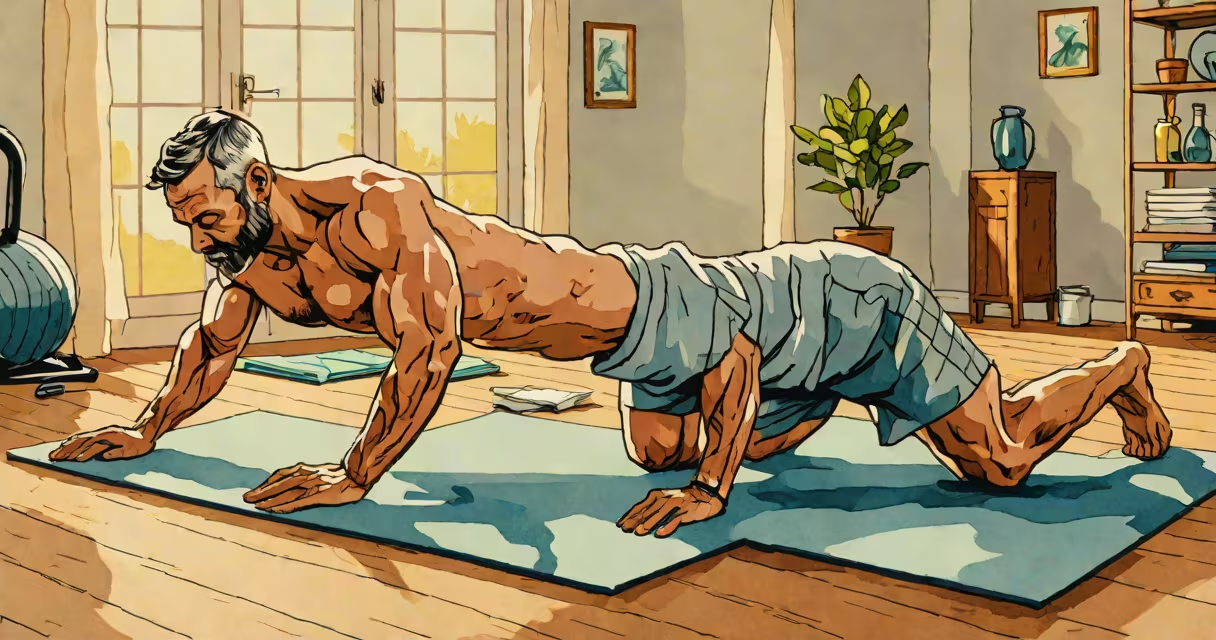
Losing belly fat requires consistent changes to diet, exercise, and sleep-not spot reduction or fad diets. The most effective approach combines calorie control, resistance training, and improved sleep quality.
Belly fat, or visceral fat, accumulates around internal organs and increases health risks like type 2 diabetes and heart disease. Unlike subcutaneous fat under the skin, visceral fat responds poorly to targeted exercises. A 2021 study in Obesity found that participants who combined aerobic exercise with strength training lost 17% more visceral fat than those who only did cardio.
Genetics influence where fat is stored, but lifestyle choices determine how much fat accumulates. You cannot "burn" belly fat in isolation. Fat loss happens systemically. When you create a calorie deficit through diet and activity, your body draws from fat stores throughout the body-including the abdomen.
The body uses stored fat for energy when daily intake is below expenditure. This process involves breaking down triglycerides into free fatty acids and glycerol, which travel to muscles and organs for fuel. The liver converts some fatty acids into ketones during prolonged low-carb periods, but this doesn't target belly fat specifically.
Insulin plays a key role. High insulin levels from frequent sugar and refined carb consumption promote fat storage, especially in the abdominal region. Lowering insulin through reduced processed food intake improves fat mobilization. A 2018 clinical trial published in Cell Metabolism showed that participants on a low-glycemic diet lost more visceral fat than those on a high-glycemic diet-even with similar calorie counts.
Stress also affects belly fat. Cortisol, the stress hormone, increases appetite and promotes fat deposition in the abdomen. Chronic stress leads to elevated cortisol, which correlates with higher waist circumference. A 2020 study in JAMA Internal Medicine linked poor sleep and high stress to increased visceral fat gain over time.
Diet is the primary driver of fat loss. Focus on whole foods: vegetables, lean proteins, healthy fats, and complex carbohydrates. Limit added sugars to less than 10% of daily calories, per the American Heart Association. One 12-ounce soda contains about 39 grams of sugar-nearly double the recommended daily limit for women.
Exercise should include both resistance and cardiovascular training. Strength training builds muscle, which raises resting metabolic rate. A 2022 review in Frontiers in Physiology confirmed that resistance training increases fat oxidation and reduces visceral fat even without weight loss.
Sleep duration matters. Adults need 7-9 hours per night. Sleep deprivation disrupts hunger hormones-ghrelin rises, leptin falls-leading to increased appetite and fat storage. One study found that people sleeping fewer than six hours nightly gained more visceral fat over five years than those sleeping seven or more hours.
| Factor | Recommended Action | Impact on Belly Fat |
|---|---|---|
| Diet | Reduce added sugars, increase fiber-rich vegetables and lean protein | Reduces insulin spikes and supports satiety |
| Exercise | 150 minutes/week moderate aerobic + 2 days strength training | Increases fat oxidation and preserves muscle mass |
| Sleep | 7-9 hours nightly, consistent schedule | Normalizes ghrelin and leptin balance |
| Stress Management | Practice mindfulness or daily movement breaks | Lowers cortisol exposure |
Spot reduction-the idea that crunches burn belly fat-is false. A 2016 study in Journal of Strength and Conditioning Research measured fat oxidation during various exercises. Crunches produced no greater fat loss in the abdomen than walking, despite targeting the same muscles.
Detox cleanses and supplements marketed for "burning belly fat" lack scientific backing. The liver and kidneys naturally detoxify the body. A 2020 review in Nutrients found no evidence that popular cleanse regimens lead to sustained fat loss. Many result in temporary water weight loss, not fat reduction.
One common error is focusing solely on scale weight. Losing 10 pounds may sound like progress, but if it's mostly water and muscle, visceral fat remains unchanged. Waist circumference is a better indicator. A 2-inch reduction over 12 weeks signals meaningful fat loss, even if the scale doesn't move.
Sarah, a 38-year-old office worker, began tracking her habits after a doctor warned her about rising visceral fat. She started with a baseline: 38-inch waist, 15% body fat, 7 hours of sleep per night.
She adjusted her diet: replaced sugary coffee drinks with black coffee and oatmeal, ate more vegetables and grilled chicken, and limited alcohol to one glass of wine twice weekly. She walked 30 minutes daily and lifted weights three times a week using bodyweight and dumbbells.
After 16 weeks, her waist shrank to 34 inches. Blood tests showed lower triglycerides and improved insulin sensitivity. Her body fat dropped to 12%. She didn't do hundreds of crunches. She didn't take supplements. She changed her routine consistently.
I've seen this pattern repeatedly in clients. The results aren't dramatic overnight-but they're sustainable. One client lost 18 pounds and 5 inches off his waist in 14 weeks. He didn't follow a "detox" or wear a waist trainer. He simply ate less processed food and moved more.
Skipping meals to cut calories often backfires. Low blood sugar triggers cravings and slows metabolism. Studies show that intermittent fasting doesn't outperform regular calorie restriction for fat loss. A 2023 meta-analysis in BMJ Open found no significant difference in fat loss between time-restricted eating and standard dieting.
Excessive cardio without strength training leads to muscle loss. Muscle burns more calories at rest than fat. Losing muscle lowers your metabolic rate, making future fat loss harder. A 2021 study in Medicine & Science in Sports & Exercise showed that combining resistance and cardio led to 2.5 times more fat loss than cardio alone.
Don't rely on waist trainers or fat-burning creams. These products don't alter fat distribution. They may cause temporary swelling or discomfort. The FDA has issued warnings against products claiming to "melt" fat through topical application.
Start by measuring your waist. Place a tape measure around your natural waist-just above the hip bones. Record the number. Track it monthly.
Adjust your diet: swap sugary snacks for fruit and nuts, eat more vegetables, reduce alcohol. Aim for 30 minutes of movement most days-walking, cycling, dancing.
Build strength: do bodyweight squats, push-ups, and planks. Progress gradually. Consistency beats intensity.
Improve sleep hygiene. Go to bed and wake up at the same time daily. Avoid screens one hour before bed.
What can I do to lose my belly? Focus on sustainable habits. Fat loss isn't about shortcuts-it's about consistency. The right combination of nutrition, movement, and recovery creates lasting change.