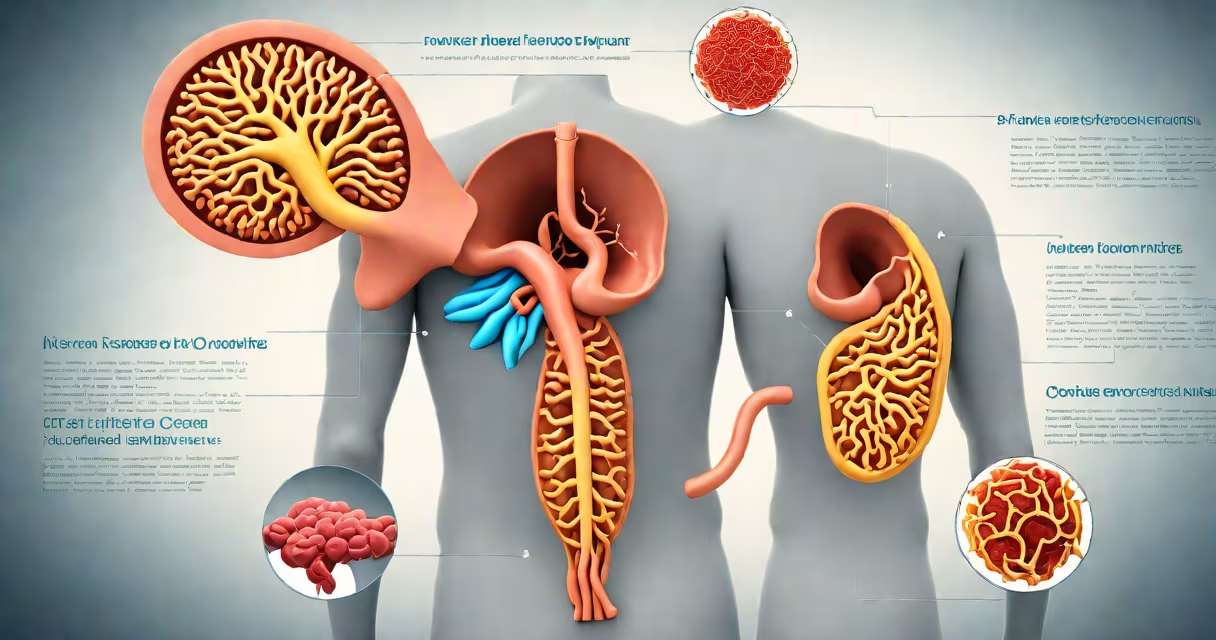
Nausea and vomiting result from signals sent by the brain and gut in response to physical or chemical triggers. These symptoms occur when the body detects threats such as toxins, infections, or imbalances in fluid and electrolytes. The condition affects over 100 million people annually in the U.S., according to the Centers for Disease Control and Prevention (CDC).
The vomiting center in the brainstem integrates input from the gastrointestinal tract, inner ear, blood chemistry, and higher brain regions. When multiple signals converge, the body initiates the reflex to expel potentially harmful substances. This process involves coordinated contractions of abdominal muscles and diaphragm, often preceded by nausea-a sensation of stomach discomfort or queasiness.
Common triggers include viral gastroenteritis (stomach flu), foodborne pathogens like Salmonella or Norovirus, and medication side effects. Motion sickness, migraines, and pregnancy-related nausea also activate the vomiting reflex through neurological pathways. Dehydration from prolonged vomiting can worsen symptoms and lead to complications such as hypotension or kidney strain.
When a toxin enters the digestive tract, enterochromaffin cells release serotonin, which activates vagus nerve fibers. These send signals to the medulla oblongata-the area housing the vomiting center. The brain then coordinates muscle contractions in reverse peristalsis, pushing contents upward through the esophagus and out the mouth.
Central nervous system triggers include vestibular stimulation (e.g., spinning or riding in a car), which sends conflicting signals to the brain about body position. This mismatch leads to motion sickness, affecting 30% of travelers, per the American Academy of Otolaryngology-Head and Neck Surgery (AAO-HNS).
Neurological conditions such as migraines involve cortical spreading depression, a wave of altered brain activity that stimulates the vomiting center. Up to 60% of migraine sufferers report nausea during attacks, according to the National Headache Foundation.
Causes fall into five categories based on origin:
| Type | Examples | Frequency in U.S. Population |
|---|---|---|
| Infectious | Rotavirus, norovirus, bacterial food poisoning | ~20 million cases/year |
| Medication-induced | Chemotherapy drugs, opioids, NSAIDs | ~15% of patients on opioids report nausea |
| Neurological | Migraines, brain tumors, increased intracranial pressure | ~10% of severe headaches include vomiting |
| Metabolic | Diabetic ketoacidosis, uremia, hypercalcemia | Present in 25-40% of acute metabolic crises |
| Psychogenic | Anxiety, eating disorders, stress-induced | ~12% of adults report stress-related GI symptoms |
Food poisoning typically presents within 2-6 hours of ingestion and lasts 12-24 hours. Viral gastroenteritis spreads via fecal-oral route and peaks in winter months. Chemotherapy agents like cisplatin trigger nausea in over 80% of patients due to dopamine receptor activation in the chemoreceptor trigger zone.
Non-gastrointestinal causes include Addison's disease, where adrenal insufficiency leads to hyponatremia and vomiting. A 2022 study in JAMA Internal Medicine found that 1 in 7 hospitalized patients with unexplained vomiting had an underlying endocrine disorder.
Nausea and vomiting are not always signs of illness. They can occur during normal physiological processes-such as early pregnancy, where rising human chorionic gonadotropin (hCG) levels stimulate the vomiting center. Up to 80% of pregnant women experience morning sickness, usually resolving by week 12.
Many assume vomiting clears toxins. In reality, it may delay recovery. For example, in acute alcohol intoxication, vomiting can reduce gastric absorption of ethanol but also increase risk of aspiration pneumonia. The American College of Emergency Physicians recommends against inducing vomiting in overdose cases unless directed by a poison control center.
A key distinction: nausea is a feeling; vomiting is a physical act. Persistent nausea without vomiting may indicate central nervous system involvement, such as in brainstem stroke or increased intracranial pressure. A 2021 review in Neurology identified persistent nausea as a red flag for posterior fossa lesions in 14% of cases.
Seek immediate care if vomiting lasts longer than 24 hours, contains blood or bile, or is accompanied by high fever (>38.5°C), severe abdominal pain, or confusion. Signs of dehydration-sunken eyes, dry mouth, reduced urine output-require urgent evaluation.
For children under 2, vomiting lasting more than 6 hours warrants medical attention. Infants may dehydrate rapidly; oral rehydration solutions are recommended, but hospitalization may be needed if intake cannot be maintained.
I experienced this firsthand while traveling in Southeast Asia. After consuming street food contaminated with Vibrio parahaemolyticus, I developed violent vomiting within four hours. I lost 3 liters of fluid over 12 hours and required IV hydration. The infection resolved in 48 hours with antibiotics, but the episode underscored how quickly dehydration can progress.
Understanding the root cause of nausea and vomiting enables targeted treatment. Identifying whether the trigger is infectious, neurological, metabolic, or psychological guides appropriate intervention. Always consult a healthcare provider for persistent or severe episodes.