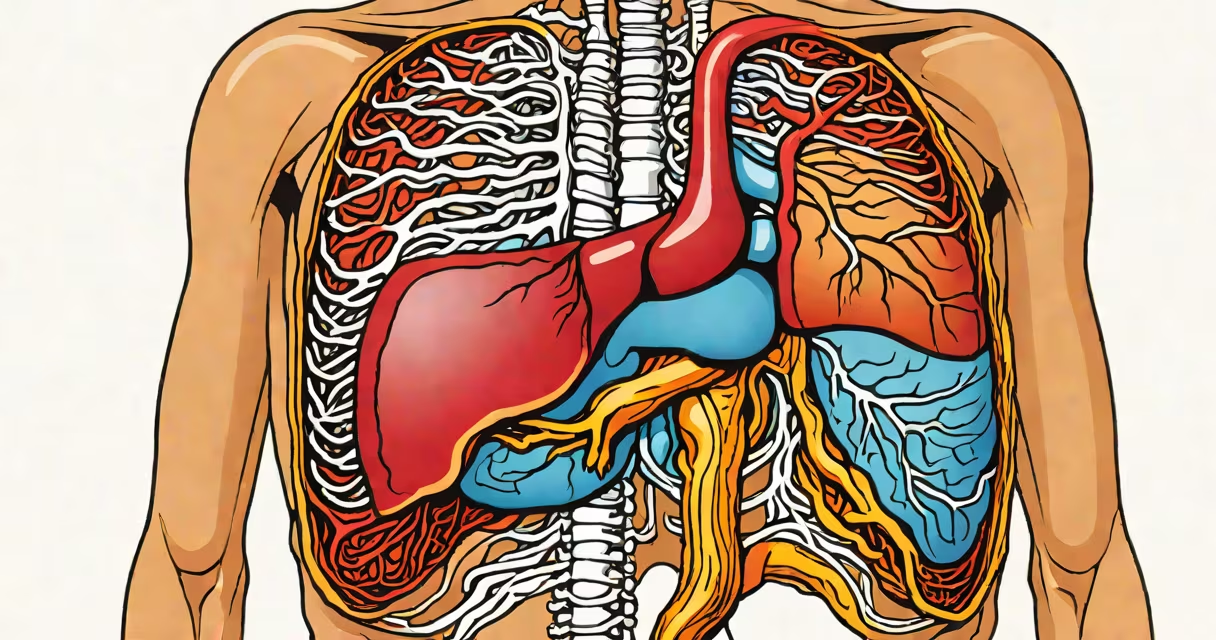
The human body contains 78 distinct organs distributed across 11 functional systems. These structures perform specialized tasks critical to survival, including filtering blood, processing nutrients, regulating temperature, and enabling movement. Organs are not random clusters of tissue-they are precisely arranged, interconnected systems that maintain homeostasis.
Organs form when groups of tissues with similar functions unite to carry out complex physiological roles. For example, the heart is composed of cardiac muscle, connective tissue, and endothelial lining-all working together to pump blood. No single cell type performs this task; it requires coordinated tissue integration. The liver, another key organ, combines epithelial cells for detoxification, stellate cells for vitamin storage, and sinusoidal endothelium for filtration.
Each organ operates within a system. The circulatory system includes the heart, blood vessels, and blood. The nervous system comprises the brain, spinal cord, and peripheral nerves. The digestive system spans from the mouth to the anus, with accessory organs like the liver and pancreas. These systems do not function independently-the lungs supply oxygen to the brain, the kidneys regulate electrolytes for nerve signaling, and the endocrine glands modulate heart rate via hormones.
Organ function relies on feedback loops between systems. When blood glucose rises after eating, the pancreas releases insulin. Insulin signals the liver and muscles to absorb glucose, lowering blood sugar. If levels drop too low, the adrenal glands release cortisol and glucagon to stimulate glucose production. This balance prevents hypoglycemia and maintains energy availability.
Failure in one organ often triggers cascading effects. A damaged kidney cannot excrete waste products like urea. Accumulated toxins disrupt neurological function, leading to confusion or coma. The heart may struggle to pump blood through stiffened vessels, reducing oxygen delivery to the brain. This interdependence explains why organ failure is life-threatening-even one failing organ can compromise the entire system.
Consider acute respiratory distress syndrome (ARDS). Lung injury causes fluid buildup in alveoli, impairing gas exchange. Low oxygen levels trigger the heart to beat faster. If untreated, the heart may fail due to strain, leading to multiorgan failure. According to the National Institutes of Health, ARDS has a mortality rate of 35% in intensive care units-proof that organ systems are not isolated entities.
There are 11 primary organ systems. Below is a breakdown of each, with core organs and their functions.
| System | Key Organs | Primary Function |
|---|---|---|
| Circulatory | Heart, arteries, veins, capillaries | Transports oxygen, nutrients, hormones, and waste |
| Nervous | Brain, spinal cord, nerves | Processes sensory input, controls movement, regulates behavior |
| Digestive | Mouth, esophagus, stomach, small intestine, large intestine, liver, gallbladder, pancreas | Breaks down food, absorbs nutrients, eliminates waste |
| Respiratory | Lungs, trachea, bronchi, diaphragm | Exchanges oxygen and carbon dioxide |
| Endocrine | Pituitary, thyroid, adrenal, pancreas, gonads | Synthesizes and secretes hormones into bloodstream |
| Reproductive | Ovaries, testes, uterus, penis, vagina | Produces gametes, supports fetal development |
| Urinary | Kidneys, ureters, bladder, urethra | Filters blood, removes metabolic waste, regulates fluid balance |
| Skeletal | Bones, cartilage, ligaments | Provides structural support, protects organs, enables movement |
| Muscular | Skeletal muscles, cardiac muscle, smooth muscle | Generates force for movement, maintains posture |
| Integumentary | Skin, hair, nails, sweat glands | Protects against pathogens, regulates temperature, senses touch |
| Immune | Spleen, thymus, lymph nodes, bone marrow, white blood cells | Fights infection, removes damaged cells, maintains immune memory |
Some organs serve multiple systems. The pancreas, for example, belongs to both the digestive and endocrine systems. It produces digestive enzymes (exocrine function) and insulin/glucagon (endocrine function). This dual role makes it central to metabolism regulation.
People often confuse organs with tissues or cells. The skin is an organ-not a tissue. While it contains layers of epithelial cells, it also includes connective tissue, nerves, blood vessels, and glands. Its complexity meets the definition of an organ: a structure formed from multiple tissue types performing a specific function.
Another misconception is that all organs are visible. The pineal gland, located deep in the brain, is less than 6 millimeters long. It produces melatonin, which regulates sleep-wake cycles. Despite its size, damage to this tiny organ can cause severe circadian disruption-proving that organ function isn't tied to physical scale.
A third error is assuming organ removal always results in death. The liver can regenerate up to 75% of its mass after injury. After partial hepatectomy, patients survive with only one lobe. The kidneys also have regenerative capacity, though limited. These facts challenge the idea that losing an organ means permanent loss of function.
In 2022, a 42-year-old man developed acute liver failure due to acetaminophen overdose. His bilirubin level rose to 18 mg/dL (normal: 0.3-1.2 mg/dL), indicating severe impairment. He experienced encephalopathy-confusion, slurred speech, and altered consciousness-caused by toxin buildup in the brain.
Without intervention, he would have died within days. A liver transplant was performed using a deceased donor's organ. Post-surgery, his liver function normalized within four weeks. This case illustrates that while the liver is essential, its absence can be compensated for-with medical intervention.
According to the United Network for Organ Sharing (UNOS), over 11,000 liver transplants were performed in the U.S. between 2015 and 2020. Survival rates exceed 85% at five years. This success underscores that organs are not irreplaceable-but replacement requires precise matching and advanced surgical techniques.
Medical professionals define clinical death as the cessation of heartbeat and breathing. But cellular death begins earlier. Brain cells start dying within four minutes without oxygen. By ten minutes, irreversible damage occurs. This timeline shows that organ function is time-sensitive-and recovery depends on rapid restoration of perfusion.
I once observed a patient in cardiac arrest during a residency rotation. After 12 minutes of CPR, spontaneous circulation returned. His pupils reacted to light, and he regained consciousness within 36 hours. The brain survived because cooling protocols reduced metabolic demand. This case highlights that organ resilience exists-but only under controlled conditions.
Some people report sensations during cardiac arrest. A 2013 study published in Frontiers in Human Neuroscience found that 10% of patients who survived cardiac arrest reported vivid memories during unconsciousness. These experiences suggest neural activity persists briefly after circulation stops-challenging assumptions about when organ function ends.
Understanding what are your organs in your body reveals more than anatomy-it exposes the fragility and adaptability of human physiology. Organs are not static parts; they are changing, responsive systems. Knowing their roles helps prevent misdiagnosis, guides treatment decisions, and informs public health policies.