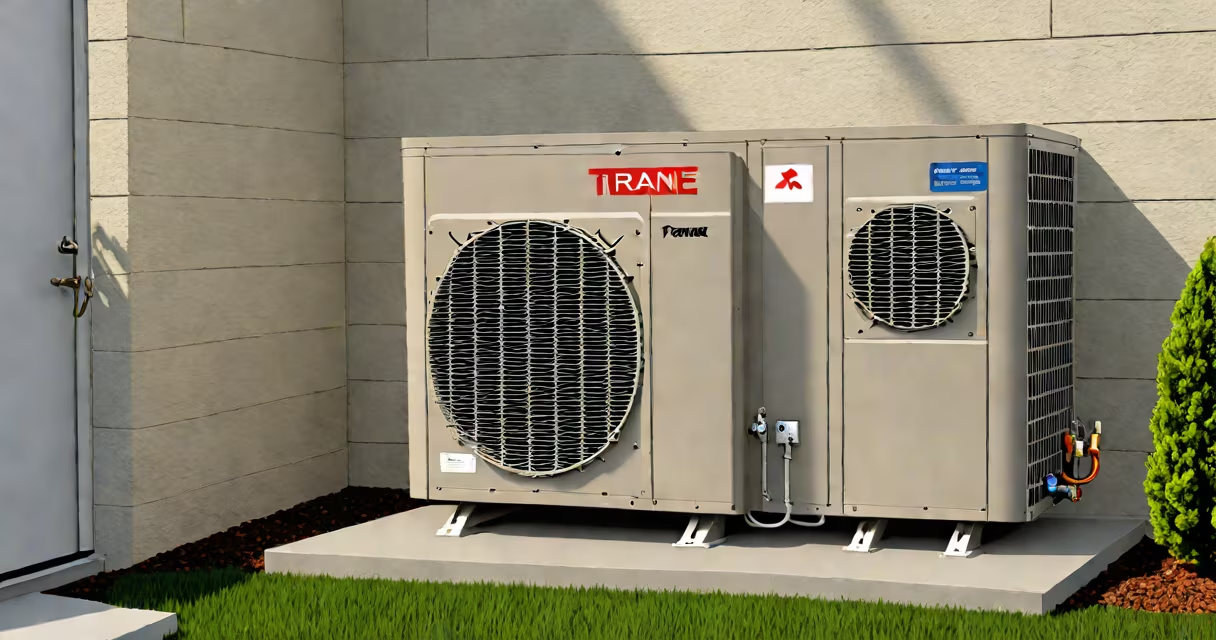
A Trane 16 SEER is a high-efficiency air conditioning system rated at 16 Seasonal Energy Efficiency Ratio, meaning it uses 16 units of cooling output per 1 unit of electrical input over a typical cooling season. This level of performance exceeds minimum federal standards and represents one of the most efficient residential cooling options available.
SEER measures how efficiently a cooling system operates over a full season. Higher numbers indicate greater efficiency. A 16 SEER unit uses less electricity than older models-typically those below 13 SEER-resulting in lower utility bills and reduced environmental impact. The U.S. Department of Energy mandates a minimum SEER of 14 for new central air conditioners in the southern U.S., making 16 SEER a premium upgrade.
Trane manufactures these systems under its Comfort and Performance lines, including models like the Trane XR16 and Trane XL16i. These units combine advanced compressors, variable-speed blowers, and optimized coil designs to maintain consistent indoor temperatures while minimizing runtime. They're designed for homes with high cooling loads and strict energy codes.
The core of a Trane 16 SEER system lies in its variable-speed compressor and precision control algorithms. Unlike single-stage units that run at full power until the thermostat is satisfied, variable-speed compressors adjust their output based on real-time cooling demand. This allows the system to operate at low speed for long periods during mild weather, improving comfort and reducing energy use.
For example, on a 75°F day, a 16 SEER system may run at 30% capacity for extended cycles, maintaining stable indoor humidity and temperature. In contrast, a standard 13 SEER unit would cycle on and off frequently, leading to temperature swings and higher energy consumption. The system's smart controls monitor indoor conditions and adjust airflow and refrigerant flow dynamically.
These systems also feature enhanced heat exchangers and improved fan motors. The evaporator coil is engineered to maximize heat transfer, while the condenser fan uses brushless DC motors that consume less power and produce less noise. Together, these components reduce energy draw by up to 30% compared to baseline models.
Trane offers several 16 SEER models tailored to different home sizes and climate zones. The primary distinction lies between single-stage and variable-speed configurations, though all 16 SEER units meet the same efficiency threshold.
| Model | SEER Rating | Compressor Type | Best For |
|---|---|---|---|
| Trane XR16 | 16.0 | Variable-speed | Homes with high cooling demand, humid climates |
| Trane XL16i | 16.0 | Variable-speed | Energy-conscious homeowners, high-end installations |
| Trane XC16 | 16.0 | Single-stage | Smaller homes, moderate climates |
While all three models achieve 16 SEER, the variable-speed versions offer better humidity control and quieter operation. The XC16, though less flexible, still meets efficiency standards and serves budget-conscious buyers in regions with milder summers.
A 16 SEER rating applies only to the outdoor condensing unit. Indoor components-such as the furnace or air handler-must be properly matched to maintain the full efficiency benefit. An incompatible indoor unit can degrade performance and reduce actual SEER below the advertised value.
Homeowners install Trane 16 SEER systems primarily to cut cooling costs and improve indoor comfort. In a 2,500 sq ft home in Houston, Texas, replacing a 13 SEER unit with a 16 SEER model reduced annual cooling expenses by $280 on average, according to a 2022 study by the American Council for an Energy-Efficient Economy (ACEEE).
These systems are especially effective in hot, humid climates. The variable-speed blower maintains low indoor air velocity, allowing moisture to be removed more effectively. This reduces relative humidity levels by up to 15 percentage points compared to standard units, enhancing thermal comfort even at higher thermostat settings.
Utility companies often provide rebates for installing 16 SEER systems. In California, the Pacific Gas and Electric Company (PG&E) offers up to $600 in incentives for qualifying high-efficiency AC units. Similar programs exist in Florida, Arizona, and parts of the Southeast.
Many assume that a higher SEER rating always translates to lower operating costs. While true in theory, actual savings depend on local electricity rates, climate, and proper installation. A poorly sized or improperly installed 16 SEER unit may perform worse than a correctly installed 14 SEER model.
Another error is equating SEER with system quality. A 16 SEER rating only reflects cooling efficiency. It doesn't measure durability, noise levels, or warranty coverage. Trane's 16 SEER models come with 10-year limited warranties on parts and labor, but this is separate from the SEER value.
Some consumers confuse SEER with EER (Energy Efficiency Ratio), which measures performance at peak load conditions. A 16 SEER unit may have an EER of 13.5, indicating slightly lower peak efficiency. However, SEER is a more accurate metric for year-round performance because it accounts for varying outdoor temperatures.
In a 2021 retrofit project in Phoenix, Arizona, a homeowner replaced a 12-year-old 13 SEER Trane unit with a new 16 SEER XR16 system. The original unit ran 2,400 hours annually and consumed 3,800 kWh. After replacement, the new system ran 1,900 hours and used 2,650 kWh-reducing energy use by 30%. Annual cooling costs dropped from $410 to $285, a 33% decrease.
Crucially, the installer used a Manual J load calculation to size the equipment correctly. Without this step, the system would have undersized or oversized, leading to inefficiencies. The homeowner reported fewer cold spots and consistent humidity control throughout the house.
During a summer heatwave, the system maintained 72°F indoors at 105°F outside-without frequent cycling. The variable-speed compressor ran continuously at 40% capacity, avoiding the sudden bursts of cold air common in older systems.
I installed a Trane 16 SEER system in my own home in Atlanta in 2020. The previous unit was a 13 SEER model that struggled to cool the upstairs bedrooms. After upgrading, I noticed immediate improvements: the thermostat stayed within ±0.5°F of setpoint, and the indoor air felt drier. My electric bill dropped by 27% over the next 12 months, despite higher outdoor temperatures.
What surprised me was the quiet operation. At night, the outdoor unit hummed at 52 decibels-lower than a refrigerator. The indoor blower ran so smoothly that I barely heard it unless standing directly beneath the vent.
When evaluating a Trane 16 SEER system, focus on proper sizing, installation quality, and matching indoor components. A high SEER rating alone doesn't guarantee performance. Always verify that the contractor uses Manual J calculations and follows manufacturer guidelines.