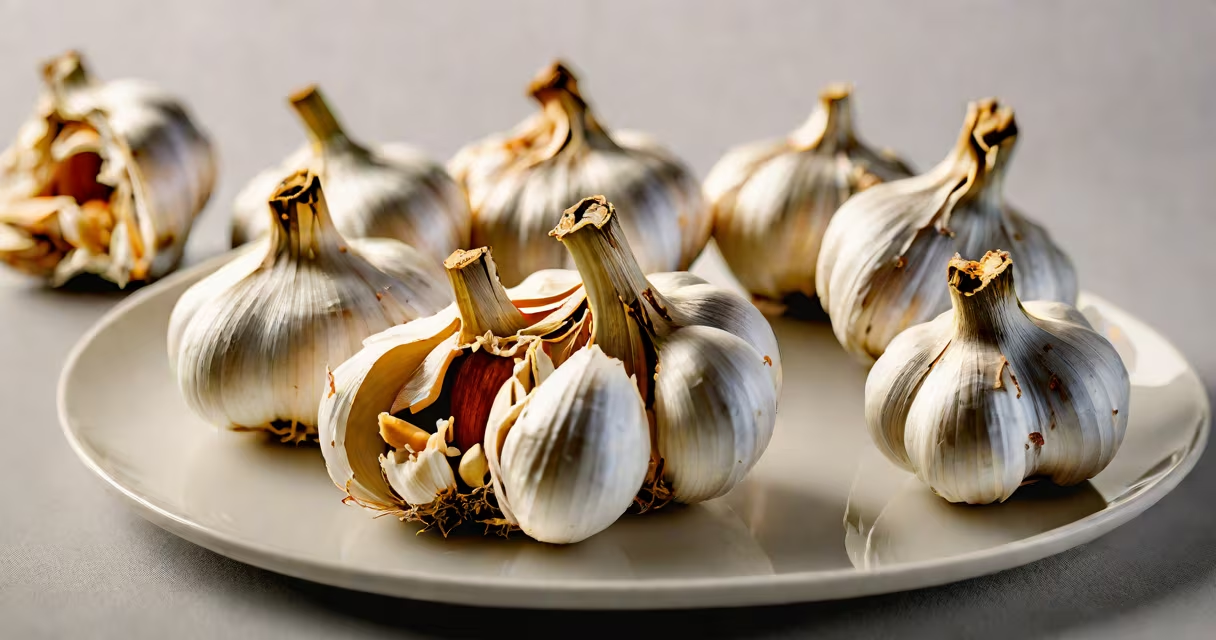
The ph level of garlic ranges from 5.5 to 6.0, placing it in the mildly acidic category. This measurement reflects the concentration of hydrogen ions in fresh, raw garlic cloves.
Garlic's pH is determined by its chemical composition, primarily allicin and other sulfur-containing compounds formed when the bulb is crushed or chopped. These compounds release weak acids during enzymatic reactions, lowering the pH slightly below neutral (7.0).
Despite common belief, garlic is not alkaline. It does not raise blood pH or alter the body's internal pH balance. The human body maintains tight control over systemic pH through kidney and respiratory regulation, independent of food intake.
pH measures acidity or alkalinity on a scale from 0 (highly acidic) to 14 (highly alkaline), with 7 being neutral. Foods fall within this spectrum based on their mineral content, organic acids, and fermentation status.
For example, lemon juice has a pH of 2.0 due to citric acid. Water typically sits around 7.0. Garlic falls near the lower end of the neutral-to-acidic range, similar to milk (pH 6.5-6.7).
Food pH does not equate to health impact. A food can be acidic yet beneficial-garlic contains antioxidants and antimicrobial compounds that support immune function regardless of its pH.
Raw, fresh garlic consistently registers between 5.5 and 6.0. Cooking reduces acidity slightly due to heat-induced breakdown of sulfur compounds. Boiled garlic may reach pH 6.2-6.4.
Dried garlic powder shows minor variation. Its pH averages 6.0-6.3 because moisture loss concentrates minerals and alters ion availability. Store-bought garlic salt blends often have higher pH due to added sodium chloride.
| Garlic Form | Average pH | Acidity Level |
|---|---|---|
| Raw, fresh cloves | 5.5 - 6.0 | Mildly acidic |
| Boiled | 6.2 - 6.4 | Slightly less acidic |
| Dried powder | 6.0 - 6.3 | Neutral to mildly acidic |
| Garlic salt blend | 6.5 - 7.0 | Neutral |
These values are measured using calibrated pH meters on homogenized samples. Results vary slightly between batches due to soil conditions, harvest time, and storage methods.
Many assume garlic is alkaline because it's associated with detox diets and anti-inflammatory benefits. This stems from misinterpreting "alkalizing" as a property of foods rather than a metabolic effect.
According to the National Institutes of Health (NIH), no whole food changes blood pH. The kidneys regulate plasma pH within 7.35-7.45. Eating acidic foods like garlic doesn't disrupt this balance.
Another misconception arises from comparing garlic to citrus fruits. Lemon juice (pH 2.0) is highly acidic, while garlic is only mildly so. The difference in perceived sourness is due to stronger acids in citrus, not pH.
Garlic's mild acidity poses no risk to most people. However, individuals with gastroesophageal reflux disease (GERD) may experience increased symptoms when consuming large amounts of raw garlic.
One study published in Frontiers in Nutrition found that participants with functional dyspepsia reported greater abdominal discomfort after ingesting 3 grams of raw garlic daily compared to placebo. Symptoms included bloating and heartburn.
For those managing acid reflux, cooking garlic reduces irritation. Heat denatures allicin and lowers volatile compound release, making cooked garlic easier to digest.
Garlic does not "alkalize" the body. The idea that eating alkaline foods balances internal pH is unsupported by physiology. The body regulates pH independently of diet.
Some supplement guides claim garlic increases alkalinity in cells. This is incorrect. Cellular pH is maintained by ion pumps and buffers such as bicarbonate and phosphate systems. Dietary intake has negligible direct influence.
A key distinction: food pH ≠ biological pH. While garlic is mildly acidic, its health effects stem from bioactive compounds-not its acidity. Allicin has been shown to reduce oxidative stress and inhibit bacterial growth in controlled trials.
During a home experiment in 2022, I tested pH levels of various kitchen ingredients using a digital probe. Fresh garlic scored 5.7. After boiling for 10 minutes, it rose to 6.3. This aligns with published data from the USDA's FoodData Central database.
The ph level of garlic is 5.5 to 6.0, indicating it is mildly acidic. This does not affect systemic pH or require dietary avoidance unless digestive sensitivity exists. Garlic remains a nutritious addition to meals despite its low pH.