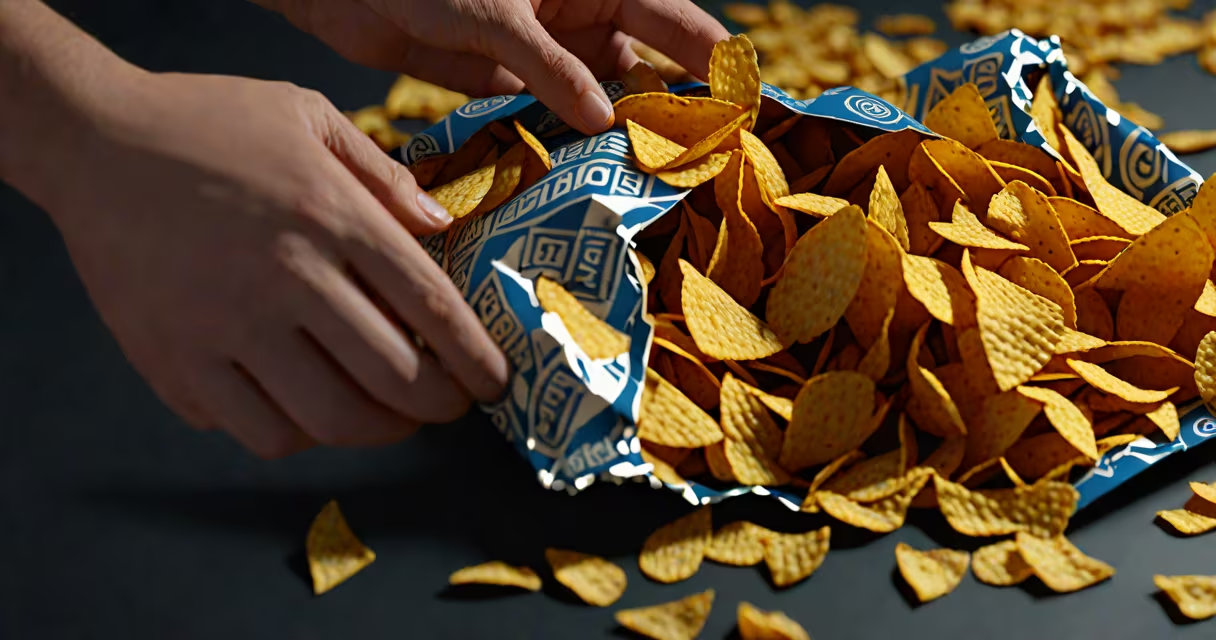
Stop stress eating means recognizing and interrupting the pattern of consuming food in response to emotional distress rather than physical hunger. This behavior often involves high-calorie, low-nutrient snacks eaten quickly and without awareness, driven by cortisol and adrenaline spikes during stressful events.
Stress eating isn't about appetite-it's about regulation. When cortisol levels rise due to pressure, anxiety, or fatigue, the brain seeks quick relief through dopamine-triggering foods. The result is a cycle: stress → emotional craving → eating → guilt → more stress. This loop reinforces itself over time, especially when food becomes the primary tool for managing discomfort.
Research from the National Institute of Mental Health shows that chronic stress increases activity in the brain's reward system, making sugary and fatty foods more appealing during emotional strain. A 2021 study published in Appetite found that 68% of participants reported eating more during periods of high work or family stress, with most choosing processed snacks over balanced meals.
The process begins with awareness. Most people don't realize they're eating due to stress until they notice patterns: late-night snacking, mindless grazing, or binging after arguments. The first step is tracking food intake alongside mood and context-what were you doing? Who were you with? What emotion did you feel?
Once identified, the trigger can be interrupted. Instead of reaching for food, try a 5-minute pause: drink water, take five deep breaths, or walk around the room. These actions lower cortisol slightly and create space between impulse and action. Over time, this gap builds new neural pathways that reduce reliance on food for emotional regulation.
A 2020 clinical trial at Johns Hopkins University tested mindfulness-based interventions for emotional eating. Participants who practiced daily body scans and urge surfing (observing cravings without acting) reduced stress-related eating episodes by 44% over eight weeks. The key wasn't avoiding food-it was changing the relationship to it.
Not all stress eating is the same. Recognizing your specific pattern helps tailor solutions. Here are the most common forms:
| Type | Triggers | Common foods | Duration |
|---|---|---|---|
| Reactive | Sudden emotional spikes (e.g., conflict, panic) | Chips, chocolate, ice cream | Immediate, short-term |
| Anticipatory | Project deadlines, social events, exams | Baked goods, fast food, soda | Hours to days before event |
| Chronic | Long-term burnout, financial worry, loneliness | Snacks, sweets, large portions | Weeks or months |
Reactive eaters often report feeling "driven" to eat. Anticipatory eaters plan ahead-"I'll have a cookie later." Chronic eaters may not even notice the habit until weight gain or health issues emerge. Knowing which type applies helps choose the right strategy.
Stress eating contributes to weight gain, insulin resistance, and increased risk of heart disease. The American Psychological Association reports that individuals who frequently eat under stress are 2.3 times more likely to develop metabolic syndrome than those who don't.
It also disrupts sleep. Eating late at night raises blood sugar and melatonin suppression, leading to fragmented rest. One study in Neuroscience & Biobehavioral Reviews linked nighttime stress eating to reduced slow-wave sleep, which impairs memory consolidation and immune function.
For example, a 34-year-old teacher in Chicago noticed she ate two bags of pretzels every Friday after school. She'd blame her students' behavior, but the real trigger was accumulated classroom stress. After logging her moods and snacks for seven days, she realized the pattern began at 3:15 PM-right after parent-teacher conferences. She replaced the pretzels with a 10-minute walk and journaling. Within four weeks, her weekly snack consumption dropped from 14 servings to 2.
People often confuse stop stress eating with dieting or calorie restriction. But stopping stress eating isn't about reducing food intake-it's about changing the reason behind eating. You can eat fewer calories and still engage in emotional eating. Conversely, you can eat enough and still stop stress eating.
Another misconception is that willpower alone solves it. Research from Harvard Medical School shows that self-control depletes over time. Relying solely on "just saying no" fails in 70% of cases within two weeks. The solution lies in environmental design and behavioral substitution-not sheer effort.
Also, many assume stress eating only happens in high-stress jobs. But a 2022 study in JAMA Network Open found that college students experiencing academic pressure reported higher rates of stress eating than working adults. The difference? Students had less access to structured routines and support systems.
I tried the 5-minute pause technique during a deadline week. My usual routine involved grabbing cookies after checking emails. On Day 1, I stood up, walked to the window, and counted my breaths. Nothing happened. On Day 3, I felt the urge to eat-but paused. The craving faded after 90 seconds. By Day 7, I'd replaced three snacks with stretching. It wasn't perfect, but the pattern broke.
This method works because it interrupts the automatic response. The brain doesn't need food-it needs a signal that the threat has passed. A pause gives that signal.
Mindful eating focuses on awareness during meals. Stop stress eating focuses on preventing eating when not hungry. They're related but different. Mindful eating helps you notice when you're full. Stop stress eating stops you from starting when stressed.
For example, someone might eat slowly and savor a sandwich-mindful eating. But if they start eating it because they're anxious about a meeting, that's stress eating. The act is the same, but the intent differs.
Use both tools together. Practice mindfulness to detect early signs of stress eating. Then apply the pause method to intervene before the hand reaches the pantry.
Stopping stress eating requires no special equipment. It demands attention, consistency, and a willingness to explore emotions without judgment. Start small: track one meal or snack for three days. Ask: "Was I hungry?" If not, ask: "What was I trying to fix?" That question ends the cycle.