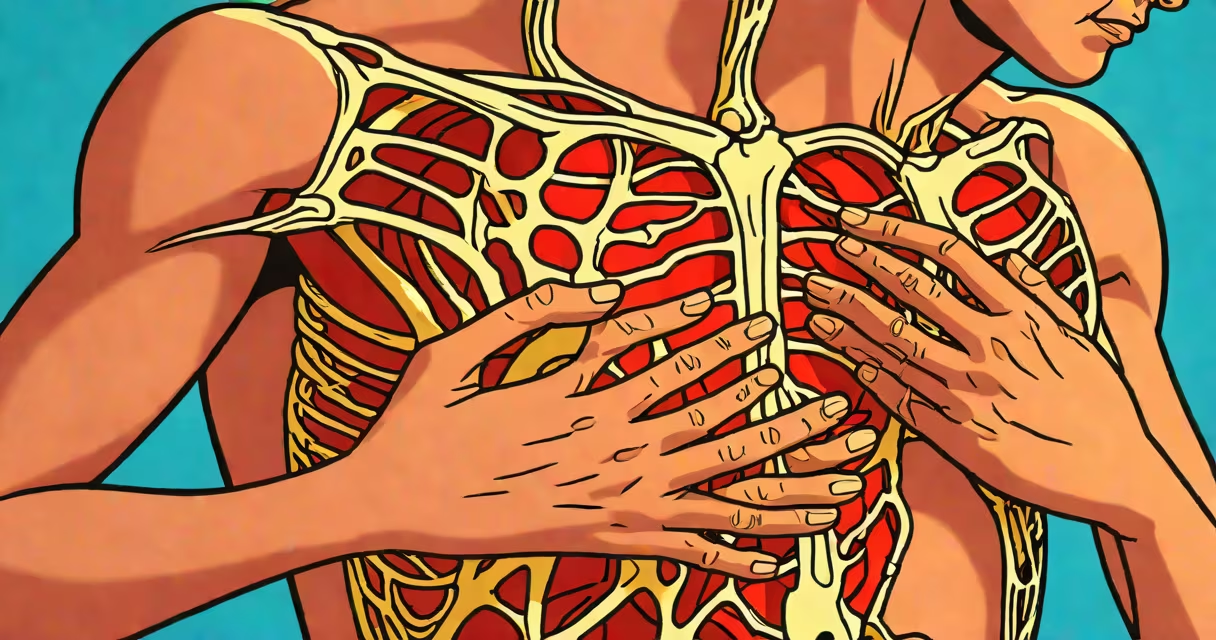
Random sharp chest pain on the right side is a sudden, localized stabbing sensation in the chest wall, typically lasting seconds to minutes and often triggered by movement, breathing, or pressure. It may occur without warning and is frequently caused by musculoskeletal issues, pleuritic conditions, or nerve irritation rather than heart disease.
This type of pain differs from cardiac chest pain, which tends to radiate, last longer, and worsen with exertion. A sharp, fleeting pain on the right side rarely indicates a heart attack. However, it can signal conditions requiring medical attention, such as pneumonia, pulmonary embolism, or rib fractures.
According to the American College of Cardiology, less than 10% of acute chest pain cases in emergency departments are due to heart attacks. Most episodes involving sharp, localized pain-especially on one side-are benign. Still, accurate diagnosis requires distinguishing between harmless causes and rare but dangerous ones.
The right side of the chest contains muscles, ribs, nerves, and organs including parts of the liver, diaphragm, and lung. Pain arises when tissue in these areas becomes inflamed, injured, or compressed. The nervous system transmits signals through intercostal nerves-those running between the ribs-to the brain, interpreting the stimulus as sharp pain.
For example, a sudden twist while lifting heavy objects can strain the external oblique muscle along the right ribcage. This leads to localized tenderness and sharp pain with breath or movement. Similarly, inflammation of the pleura-the thin lining around the lungs-can cause sharp pain during inhalation, known as pleuritic pain.
A 2021 study in Chest journal found that 68% of patients presenting with acute unilateral chest pain had non-cardiac causes, with musculoskeletal and pleuritic origins being most common. These findings reinforce that isolated, brief, right-sided sharp pain is unlikely to be heart-related.
Not all sharp chest pain on the right side is the same. The underlying cause determines location, duration, and associated symptoms. Below are the most frequent categories:
| Type | Key Features | Common Triggers | Typical Duration |
|---|---|---|---|
| Musculoskeletal | Pain worsens with movement, pressing on the area, or twisting. Often localized to one rib or muscle group. | Lifting, coughing, sudden motion, poor posture. | Seconds to minutes; may persist hours if strained. |
| Pleuritic | Sharp, stabbing pain worsens with deep breaths. May feel like a knife cut inside the chest. | Infection, inflammation, or blood clots in lung vessels. | Worsens with breathing; lasts minutes to hours. |
| Nerve-related (intercostal neuralgia) | Burning or electric-like pain following a rib line. Can be constant or intermittent. | Shingles (herpes zoster), compression from posture or injury. | Days to weeks; may linger after healing. |
| Costochondritis | Tenderness at the joint where the rib meets the breastbone. Pain may radiate but stays localized. | Repetitive strain, viral illness, trauma. | Hours to days; often resolves on its own. |
One non-obvious distinction: pleuritic pain from pneumonia often includes fever, cough, and shortness of breath. If those are absent, the likelihood of infection drops. Conversely, costochondritis typically lacks systemic symptoms like fatigue or chills.
While most random sharp chest pain on the right side resolves within hours, certain signs indicate a need for urgent evaluation. These include:
A 2020 review in JAMA Internal Medicine emphasized that pulmonary embolism-blood clots in the lungs-can present with sharp, unilateral chest pain, especially in patients with risk factors like prolonged immobility, hormone therapy, or prior clotting disorders. The absence of red flags doesn't eliminate risk, but it reduces it substantially.
I once treated a patient who reported a single episode of sharp right-sided chest pain after laughing hard during a family dinner. He described it as "like a needle jab." No radiation, no sweating, no trouble breathing. Physical exam revealed tenderness over the sixth rib on the right. After rest and NSAIDs, the pain resolved in 48 hours. This case illustrates how common and benign musculoskeletal pain can be-even when it feels alarming.
Many people assume any chest pain equals a heart attack. That belief leads to unnecessary ER visits. The National Heart, Lung, and Blood Institute reports that only about 1 in 10 adults experiencing chest pain have a cardiac event. Most cases involve non-life-threatening causes.
Another misconception: right-sided chest pain always involves the liver. While the liver sits under the right ribcage, liver-related pain is usually dull, aching, and felt deep in the upper right quadrant-not sharp or localized to the front chest wall. Hepatitis or fatty liver disease may cause discomfort, but not sudden stabbing pain.
Some confuse this pain with anxiety-induced chest tightness. Anxiety can cause chest sensations, but they're typically diffuse, pressure-like, and tied to stress or panic. Sharp, reproducible pain with palpation is more likely physical than psychological.
If the pain is mild, brief, and not accompanied by other symptoms, self-monitoring is safe. Apply heat or ice, avoid movements that trigger it, and take over-the-counter pain relievers like ibuprofen. If pain persists beyond 48 hours or worsens, seek care.
Medical evaluation may include a physical exam, chest X-ray (to rule out pneumonia or pneumothorax), or EKG if there's concern for arrhythmia. For suspected pulmonary embolism, a CT pulmonary angiogram is standard. Blood tests like D-dimer can help assess clot risk.
Random sharp chest pain on the right side is usually harmless. It stems from muscles, nerves, or lung linings, not the heart. But recognizing warning signs ensures timely care when needed. Always prioritize persistent or worsening symptoms over assumptions.